TFA in Drinking Water: Why Ultra-Short-Chain PFAS Are Becoming a New Filtration Challenge

TFA, or trifluoroacetic acid, is becoming an important topic in drinking-water quality. It belongs to the wider PFAS discussion, but it behaves differently from many better-known PFAS compounds. Because TFA is extremely small, persistent, and mobile in water, it can move through the environment and reach groundwater, surface water, and eventually drinking-water sources. The main […]
Activated Carbon and Adsorption Competition: Why Some Contaminants Break Through Earlier
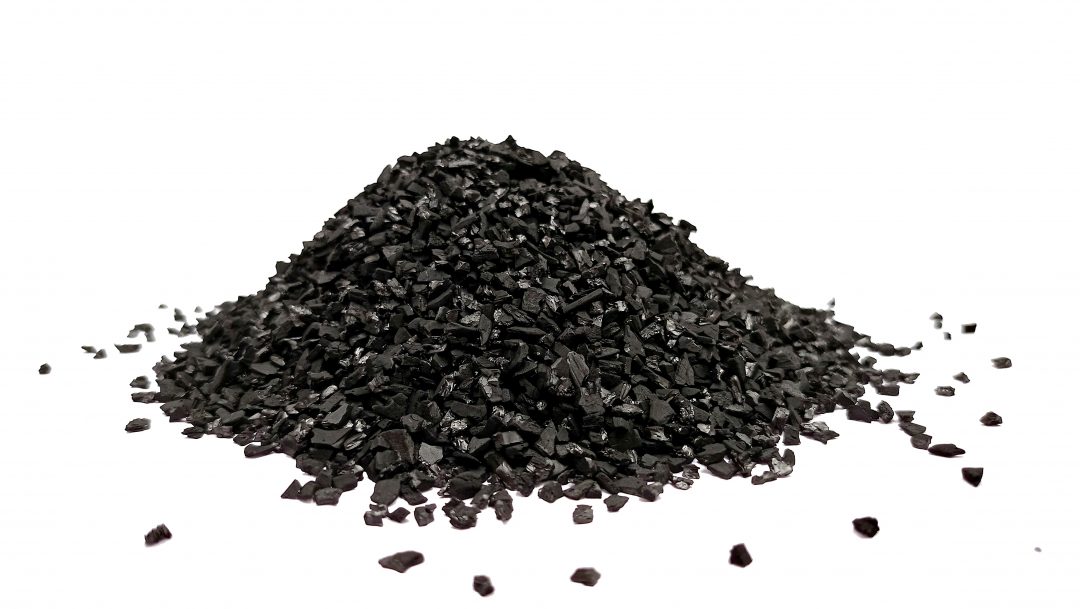
Activated carbon is one of the most common technologies used in household water filters. It is effective for many taste, odor, chlorine, and organic-contaminant problems, but it is often misunderstood. Activated carbon does not remove everything equally. Its performance depends on the contaminant, the carbon type, pore structure, contact time, flow rate, water chemistry, and […]
Boiling Tap Water: What It Solves, What It Does Not, and What It Can Concentrate

Boiling tap water is one of the oldest emergency treatment methods for drinking water. It is simple, fast, and effective against many biological risks. But it is often misunderstood. Boiling does not make water “pure.” It mainly addresses microorganisms. It does not remove many chemical contaminants, and in some cases it can increase the concentration […]
Kitchen Pull-Out Faucets: The Overlooked Contact Point in Drinking-Water Hygiene
Kitchen pull-out faucets are convenient, but they are also one of the most underestimated contact points in household drinking-water hygiene. The risk is not the faucet concept itself. The risk comes from hose handling, spray-head contamination, internal surfaces, backflow potential, and poor maintenance. Drinking water quality is not only determined by the public supply. It […]
Backflow in the Home: How Dirty Water Can Enter Drinking-Water Lines
Backflow is one of the most overlooked risks in household drinking-water systems. Even when the public water supply delivers clean and compliant water, contamination can still occur inside the building if water flows in the wrong direction. Drinking-water systems are designed for controlled, one-way flow: from the supply network to the tap. Backflow breaks this […]
Chlorine Taste in Tap Water: What It Means and How Filtration Helps
Introduction Tap water is expected to be safe, clean, and pleasant to drink. However, many consumers occasionally notice a chlorine-like taste or smell in their water, which can raise concerns about quality and safety. Although chlorine is commonly used in municipal water treatment systems for disinfection, changing consumer expectations are increasing demand for filtration solutions […]
Klar2O at B2Run Karlsruhe 2026: Running Together, Growing Together

Karlsruhe, May 2026 — This year, Klar2O proudly took part in B2Run Karlsruhe, a corporate running event that brought teams from across the region together for an evening of movement, motivation, and team spirit. The route covered around 5.3 km, leading participants through the beautiful Karlsruhe Schlossgarten and finishing with a memorable final stretch inside […]
Klar2O at IFAT Munich 2026: Conversations, Connections, and the Future of Clean Water
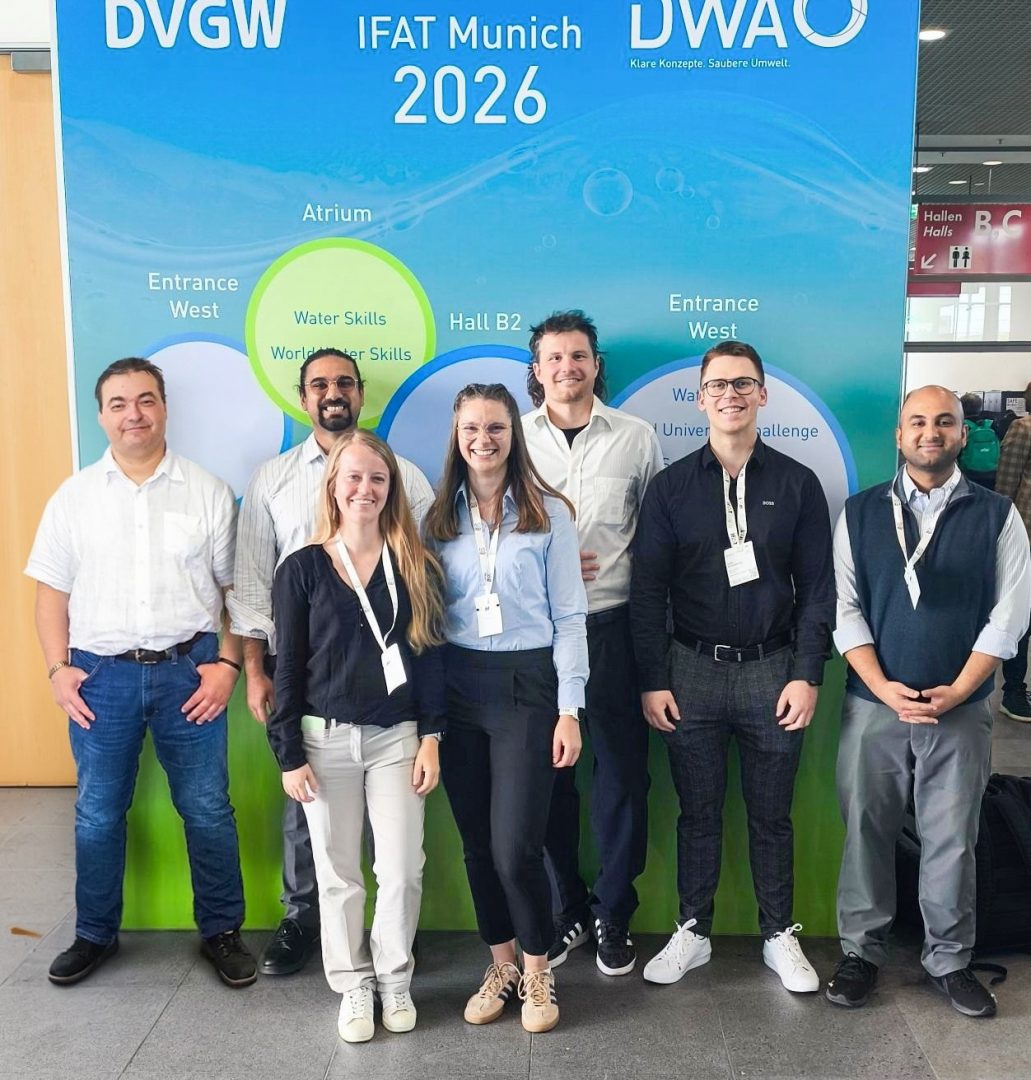
Munich, May 2026 — IFAT Munich once again brought together the global environmental technology industry, with around 3,400 exhibitors from around 60 countries presenting solutions across water, recycling, and circularity. For Klar2O, being part of this environment was more than a trade fair visit. It was a direct opportunity to listen, connect, present our technology, […]
Turbidity in Water: Why Clarity Is Not Just Aesthetic
Water clarity is often associated with visual cleanliness, but turbidity is far more than an aesthetic parameter. It is a critical indicator of water quality that directly affects treatment efficiency, disinfection performance, and overall safety. Turbidity measures the presence of suspended particles in water—such as silt, clay, organic matter, and microorganisms—that scatter light and reduce […]
Understanding the Role of pH Levels in Water Quality: How to Maintain the Right Balance
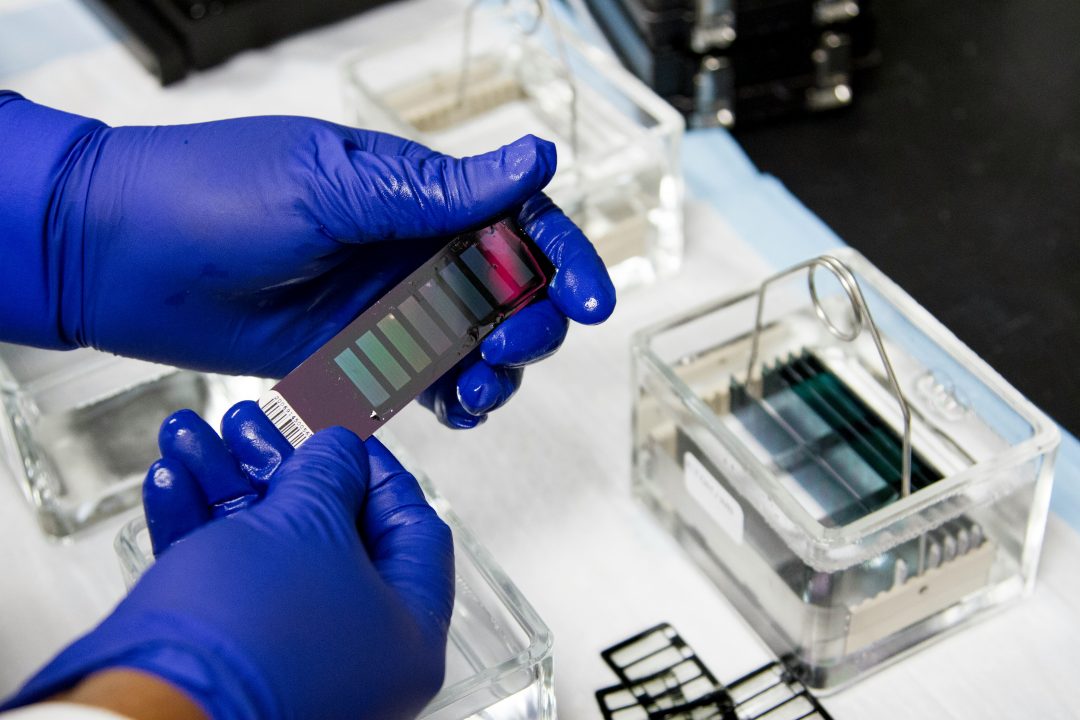
Water quality is a critical factor in maintaining the health of ecosystems, industrial processes, and even human well-being. One of the most important yet often overlooked parameters in water quality is pH levels. The pH of water measures its acidity or alkalinity, on a scale from 0 (very acidic) to 14 (very alkaline), with 7 […]