Introduction
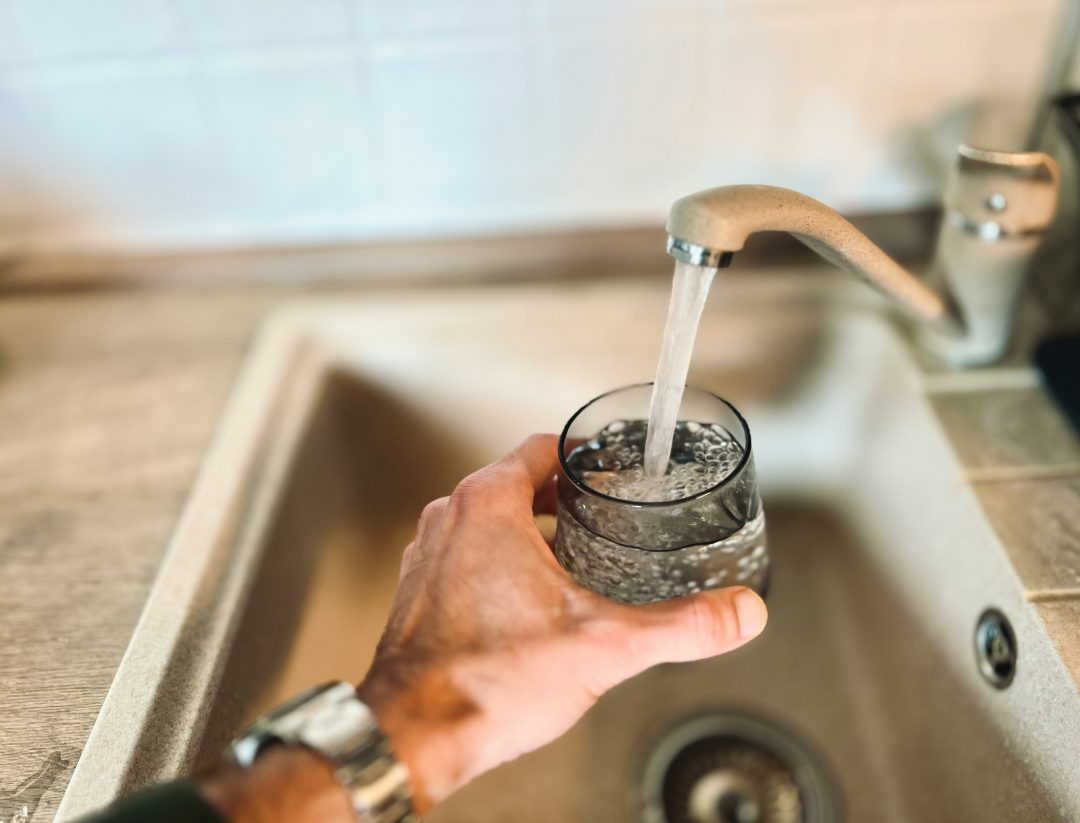
Tap water is expected to be safe, clean, and pleasant to drink. However, many consumers occasionally notice a chlorine-like taste or smell in their water, which can raise concerns about quality and safety.
Although chlorine is commonly used in municipal water treatment systems for disinfection, changing consumer expectations are increasing demand for filtration solutions that improve both water quality and drinking experience.
Why Chlorine Is Used in Water Treatment
Chlorine plays an important role in public water systems. It is widely used to disinfect water and reduce harmful microorganisms such as bacteria and viruses during water distribution.
One major advantage of chlorine is that it continues protecting water while it travels through pipelines and storage systems before reaching homes and businesses.
Without proper disinfection, drinking water systems would face much higher contamination risks.
Why Consumers Notice Chlorine Taste
The taste or smell of chlorine can become more noticeable depending on several factors, including local treatment methods, pipe infrastructure, temperature changes, seasonal conditions, and the distance water travels through the distribution network.
Some consumers describe the experience as similar to swimming pool water, while others notice a sharp aftertaste or changes in flavor during warmer months.
Even when water meets safety regulations, taste and odor still strongly influence how consumers perceive water quality.
The Growing Demand for Better Drinking Experience
Today’s consumers expect more than technically safe water. They also care about taste, freshness, clarity, and trust in what they consume daily.
This shift is driving increasing interest in residential and commercial filtration systems that improve overall drinking experience while supporting confidence in water quality.
As awareness around water contaminants and infrastructure challenges grows, filtration is becoming part of everyday wellness and sustainability conversations.
How Filtration Technology Helps
Modern filtration systems are designed to reduce chlorine levels and improve water taste and odor.
Activated carbon filtration is one of the most widely used technologies for chlorine reduction. It helps absorb chlorine compounds and improve overall drinking quality without disrupting normal water usage.
Advanced systems may also support the reduction of sediment, organic compounds, and additional unwanted substances depending on the filtration technology used.
Why Water Quality Perception Matters
Consumer trust in water quality is influenced not only by laboratory standards but also by daily experience.
If water smells or tastes unpleasant, many consumers immediately question its quality, even if it remains compliant with local regulations.
For this reason, water treatment providers increasingly focus on combining technical filtration performance with user comfort and confidence.
What the Future Looks Like
As water quality awareness continues to grow, consumers are becoming more proactive about filtration solutions for homes, offices, healthcare facilities, and hospitality environments.
The future of water treatment will likely focus on smarter filtration technologies, improved transparency, and systems designed around both safety and user experience.
Conclusion
Chlorine remains an essential part of public water safety infrastructure, but consumer expectations around drinking water continue to evolve.
Modern filtration solutions help bridge the gap between regulatory safety and consumer satisfaction by improving taste, odor, and overall water experience.
At Klar2O, we believe water treatment should deliver not only safe water, but also cleaner taste, greater confidence, and a better everyday experience.