Why Contaminant Mixtures Are Harder to Filter Than Single Substances
Water filtration is often discussed as if every contaminant can be treated separately. A filter is tested for lead, PFAS, chlorine taste, pesticides, microorganisms, or microplastics, and the result is usually presented as a specific reduction claim. In real water, however, contaminants rarely appear alone. Drinking water can contain a mixture of dissolved minerals, organic […]
The Role of Water Chemistry in Filtration: Why pH, Minerals, and Organic Matter Matter
Water filtration is often described as if performance depends only on the filter itself. The cartridge, membrane, carbon block, or filtration surface receives most of the attention. But filtration does not happen in isolation. It happens in real water, and real water has chemistry. The same filter can perform differently depending on the water it […]
Safe Disposal of Used Water Filters: Why Captured Contaminants Still Matter

Water filters are usually judged by what they remove from water. If a system can reduce PFAS, microplastics, pesticides, metals, or other trace contaminants, the focus is often on the treated water that comes out of the filter. But there is another side to filtration that is easily overlooked: the contaminants do not disappear simply […]
Why Pre-Filtration Matters: Protecting Advanced Filter Media from Overload

Pre-filtration is often treated as a basic first step in water treatment. Because it usually targets larger particles such as sand, rust, sediment, and suspended solids, it can seem less important than advanced technologies designed for PFAS, microplastics, heavy metals, pesticides, or trace chemicals. In reality, pre-filtration plays a critical role in protecting the performance […]
Filter Bypass in Water Treatment: How Poor Sealing Can Undermine Performance
Water filters are often evaluated by the material inside the cartridge. Activated carbon, membranes, ion exchange resins, and advanced filtration surfaces all play an important role in contaminant reduction. But even the best filtration media can underperform if the water does not pass through it correctly. This is where filter bypass becomes critical. Filter bypass […]
Selective Filtration: Why Modern Water Treatment Must Target Specific Contaminants
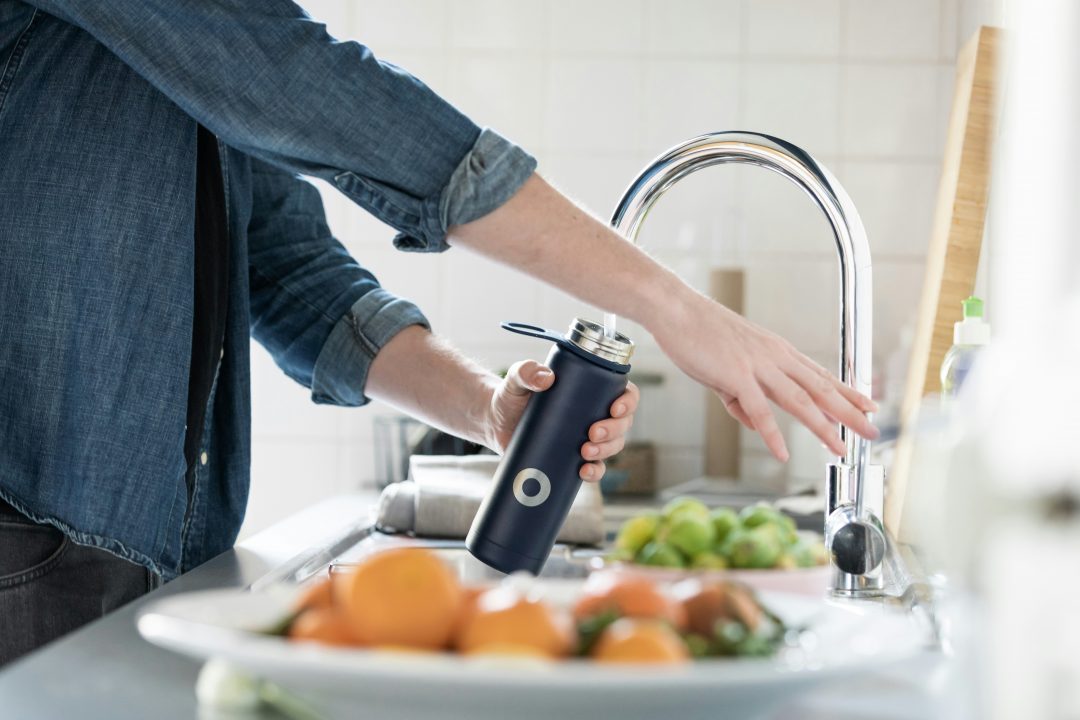
Modern water treatment is often described with broad claims such as “pure water,” “clean water,” or “removes impurities.” These phrases may sound reassuring, but they are technically incomplete. Water contamination is not a single problem, and no filtration method should be evaluated as if every contaminant behaves the same way. Different contaminants require different treatment […]
Why Water Filters Should Be Matched to the Actual Water Problem

Many people choose water filters based on general claims such as “cleaner water,” “better taste,” or “advanced filtration.” These claims sound reassuring, but they do not answer the most important question: what problem is the filter actually designed to solve? Not every water issue is the same. Some households are mainly concerned about chlorine taste […]
The Hidden Difference Between Removing Contaminants and Reducing Exposure

Water filtration is often discussed in simple terms: a contaminant is either removed or it is not. This makes filtration sound like a fixed technical result. In reality, removing contaminants from a water sample and reducing human exposure in daily life are related, but they are not the same thing. A filter may reduce certain […]
Pharmaceutical Residues in Drinking Water: What Trace Compounds Reveal About Modern Water Treatment
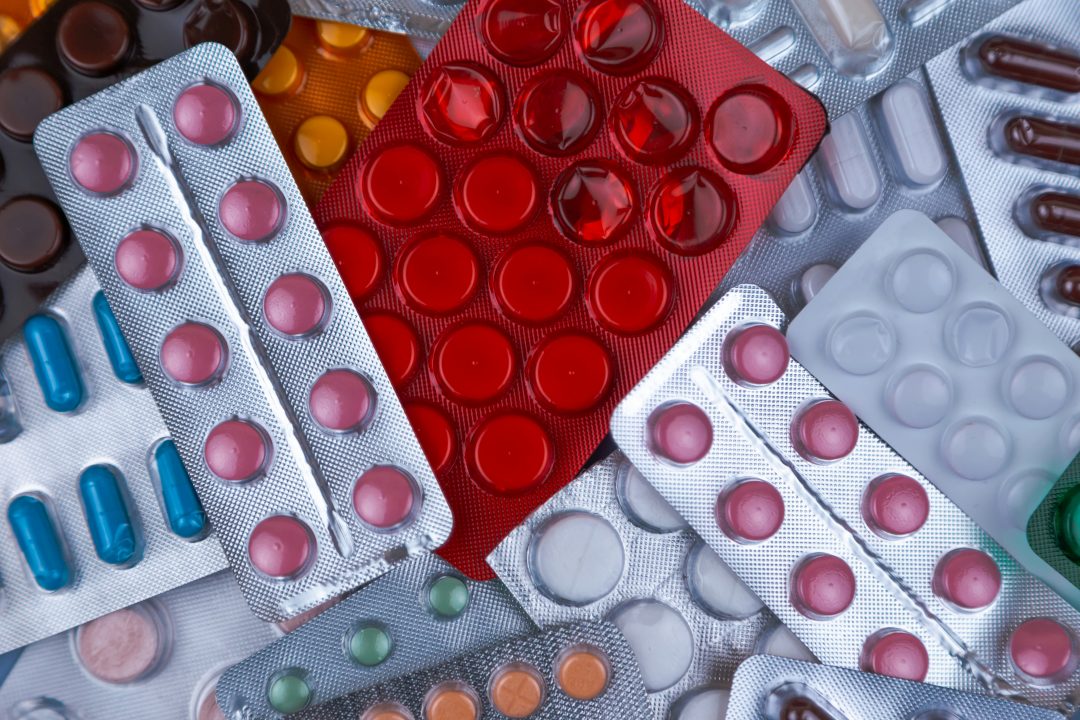
Pharmaceutical residues are becoming an important topic in drinking-water quality. They include traces of medicines, hormones, antibiotics, painkillers, contrast agents, and other compounds that can enter wastewater through human use, hospitals, households, agriculture, and improper disposal. These substances are usually found at very low concentrations, but their presence shows how closely drinking water is connected […]
Filter Certification Explained: Why NSF, DIN, and Laboratory Testing Matter More Than Marketing Claims
Water filters are often sold with strong claims. They may promise cleaner taste, fewer contaminants, safer drinking water, or advanced protection against specific substances. Some of these claims are valid, but others are too broad, poorly explained, or not supported by transparent test data. That is why filter certification matters. A drinking-water filter should not […]