
Why Exposure Depends on Use, Not Just Water Quality
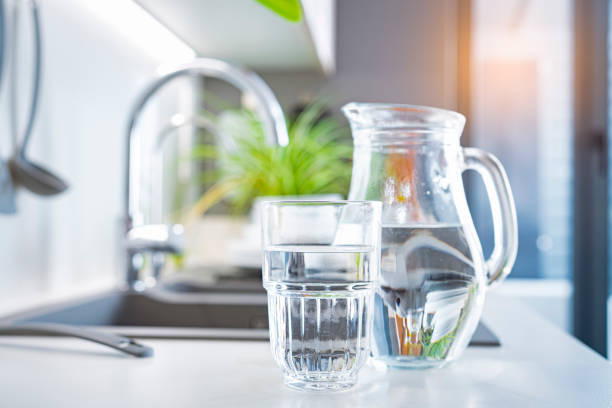
Water quality is only part of the exposure equation Discussions about drinking water often focus on measured concentrations. Test results, limits, and compliance status dominate how water quality is evaluated. While these parameters are important, they describe only one side of the exposure equation. Actual exposure depends not only on what is in the water, […]
Metals in drinking water – why copper, nickel, and lead usually originate at home

Metals in drinking water are often associated with source water or treatment plants. In reality, elevated metal concentrations usually develop within household plumbing systems. Pipes, fittings, and faucets play a decisive role in shaping what reaches the tap. Copper is a common example. Widely used in plumbing, copper is generally approved for drinking water installations. […]
Hot water as a risk zone – how temperature reshapes drinking water quality

Hot water is associated with comfort, but from a water quality perspective it represents one of the most sensitive zones in household plumbing. Elevated temperatures accelerate chemical reactions, stimulate microbial activity, and intensify interactions between water and materials. Research and regulatory guidance consistently show that hot water systems require special attention. Temperature acts as a […]
Filtration is not binary – why retention and breakthrough define real performance
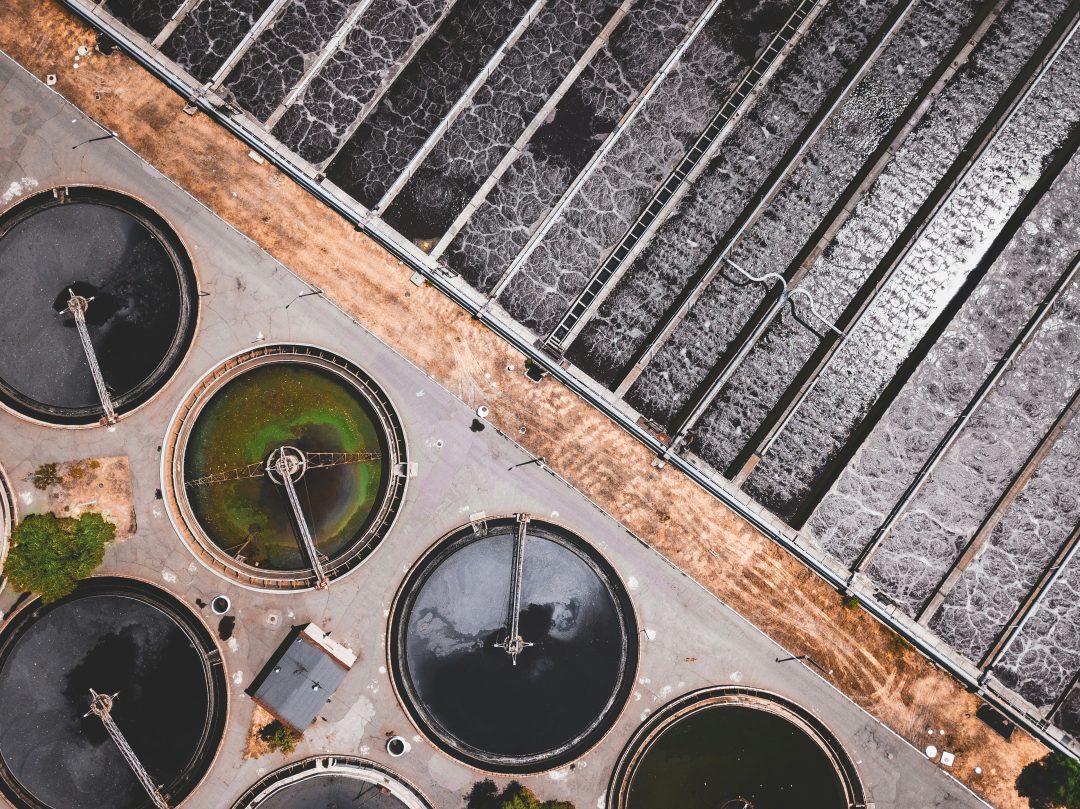
Filtration is often perceived as a binary outcome: a contaminant is either removed or it is not. From an engineering perspective, this assumption is incorrect. Filtration performance is gradual and time-dependent, shaped by media capacity, flow rate, contact time, and contaminant load. In water treatment science, filter performance is described using retention or removal efficiencies, […]
The Difference Between Particle Removal and Chemical Reduction
Water filtration is often discussed as if all contaminants behave the same way. In practice, there is a fundamental difference between removing particles and reducing dissolved chemicals. Confusing these two processes leads to false expectations — and to systems that appear effective while leaving key risks untouched. Particles and Molecules Behave Differently Particles such as […]
What Happens When Filtration Is Placed After the Problem — Not Before It
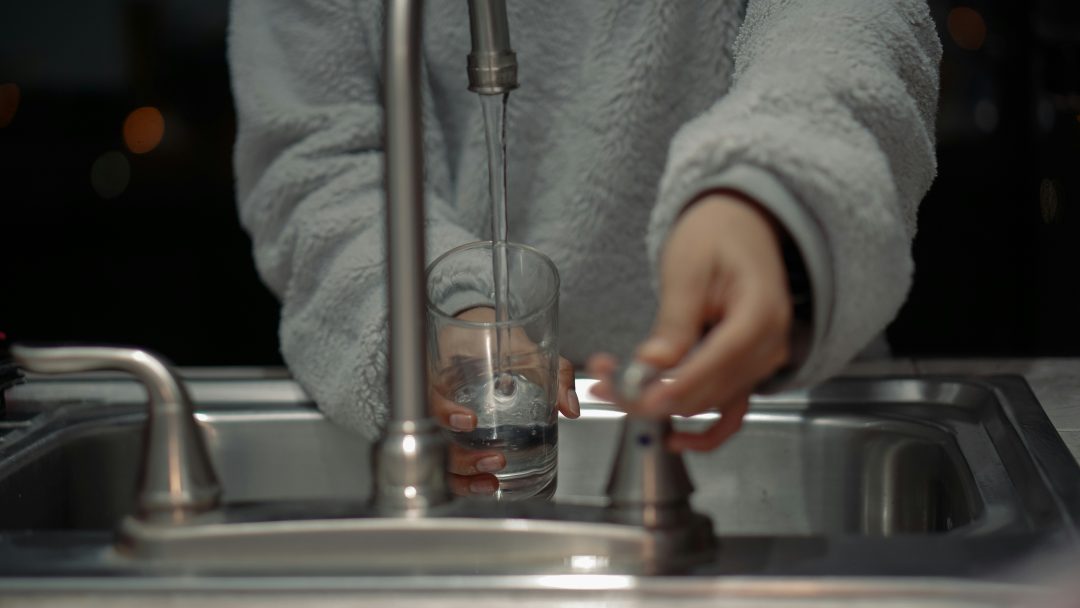
Water filtration is often added as a final step — under the sink, on the countertop, or directly at the tap. While point-of-use systems can improve drinking water quality, they are frequently installed after exposure has already occurred. This distinction matters more than most people realize. Filtration Location Defines Exposure, Not Just Water Quality Where […]
Why Fast Flow Is the Enemy of Effective Filtration
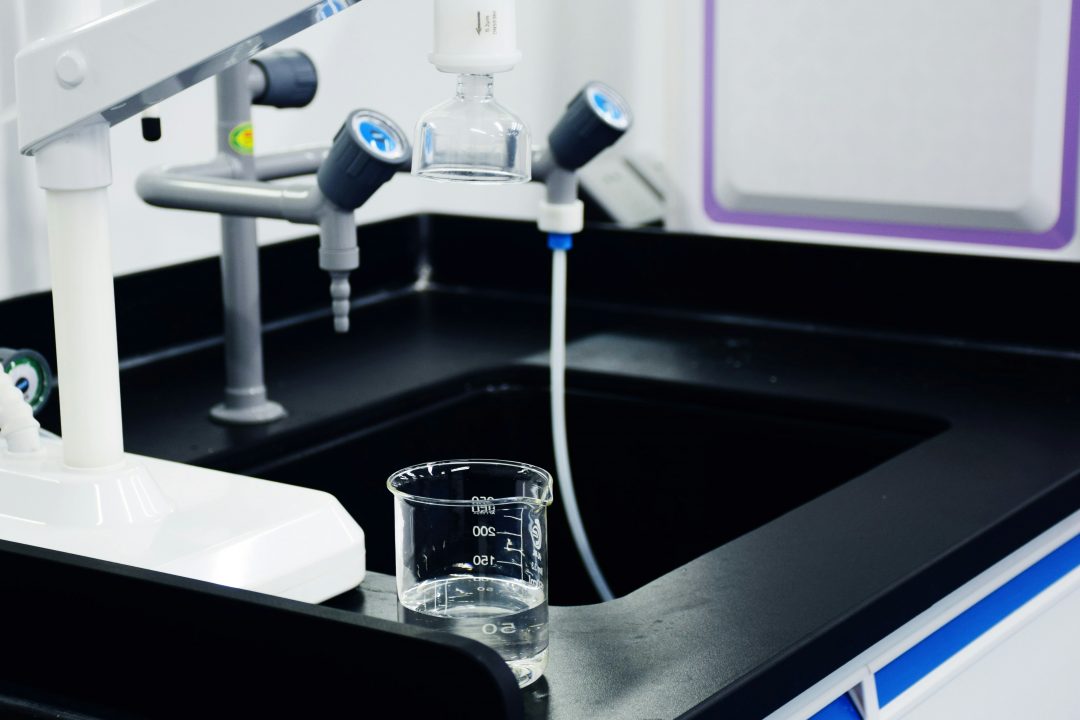
When choosing a water filter, flow rate is often treated as a selling point. Faster is assumed to be better. In filtration science, the opposite is frequently true. Excessive flow reduces effectiveness, regardless of how advanced the filter media appears on paper. Filtration Is a Time-Dependent Process Most filtration mechanisms rely on interaction time. Adsorption, […]
Household Water as a Daily Exposure Pathway
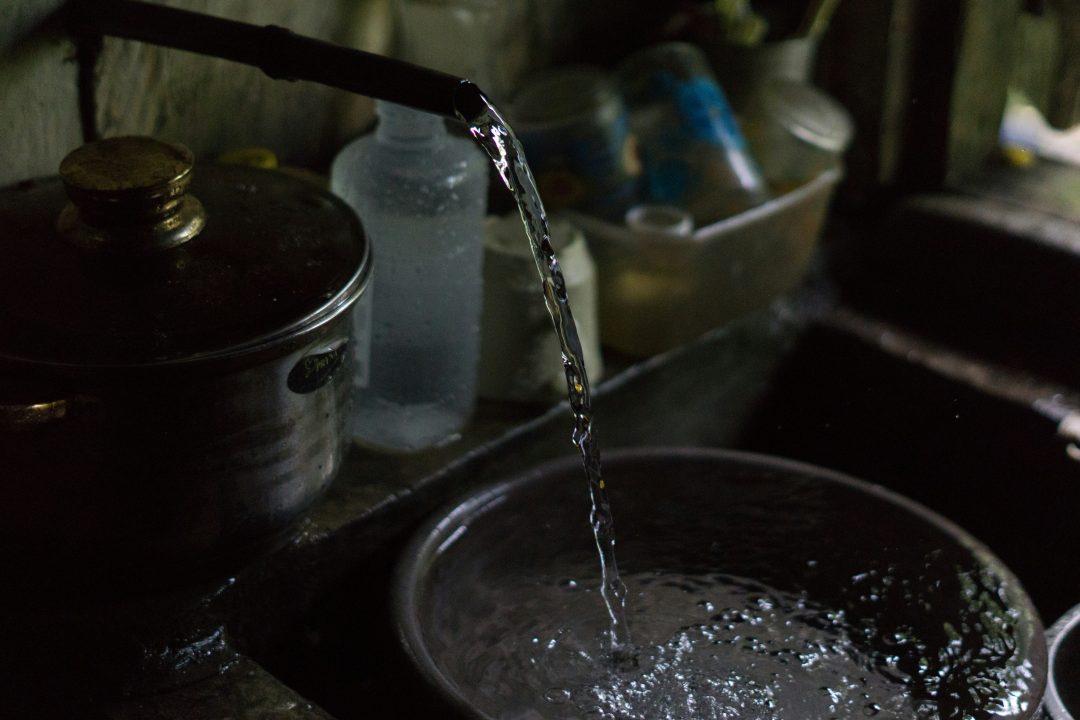
Drinking water is commonly understood as something we consume. In reality, it is one of the most consistent and multifaceted exposure pathways in daily life. Water enters the body not only through ingestion, but also through the skin and the respiratory system. These routes operate simultaneously, every day, often without awareness. Ingestion Is Only One […]
Why “Below the Limit” Does Not Mean “Without Effect”

When drinking water analyses show that contaminants are “below the legal limit,” the result is often interpreted as reassurance. The assumption is simple: if a substance is permitted, it must be harmless. From a biological perspective, this assumption is flawed. Regulatory thresholds define acceptability, not absence of effect. How Regulatory Limits Are Defined Legal limits […]
Pipe Aging: The Silent Factor in Modern Drinking Water Risk

When discussing drinking water quality, attention is usually focused on treatment technologies and regulatory compliance. What is often overlooked is a quiet but decisive factor: the age of the pipes that carry water to the consumer. In many cities, this infrastructure is decades old—and its condition directly influences water quality. Water does not remain unchanged […]