Automated Sampling in Water Systems: Reducing Human Error in Quality Control
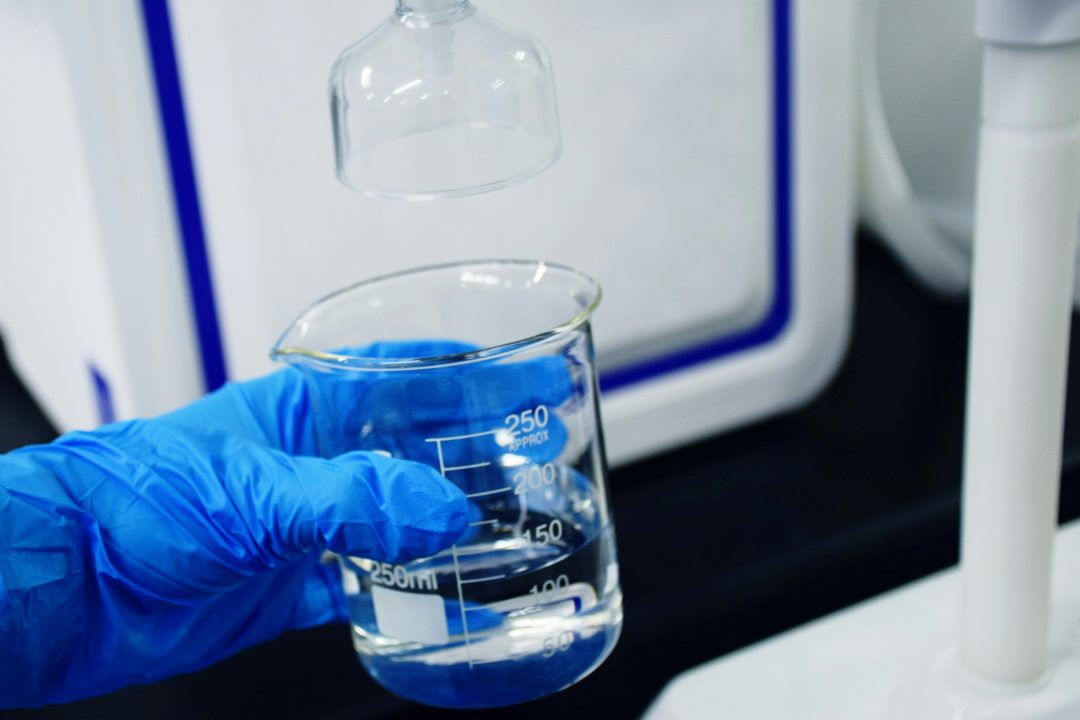
Water quality control is one of the most critical aspects of modern water management. Whether in industrial facilities, public infrastructure, healthcare environments, or commercial buildings, accurate water monitoring is essential for safety, compliance, and operational reliability. Traditionally, many sampling processes have depended heavily on manual procedures. While effective in some cases, manual sampling can introduce […]
Conductivity in Water: Real-Time Indicator of System Integrity
Electrical conductivity is one of the most efficient and widely used parameters for assessing water quality in real time. It measures the ability of water to conduct an electric current, which directly correlates with the concentration of dissolved ions such as salts, minerals, and inorganic contaminants. Unlike single-parameter measurements, conductivity provides a fast, aggregate indicator […]
Hardness in Water: Operational Risks and Treatment Strategies
Water hardness is a fundamental parameter in water chemistry that directly impacts infrastructure, industrial efficiency, and domestic use. It is primarily caused by dissolved calcium (Ca²⁺) and magnesium (Mg²⁺) ions. While not a direct health risk, unmanaged hardness leads to measurable technical and economic problems. Why Water Hardness Matters Hard water promotes scale formation. When […]
Innovative Methods for Removing Heavy Metals from Drinking Water: Techniques and Benefits

The presence of heavy metals in drinking water is a growing concern for public health worldwide. Contaminants such as lead, mercury, arsenic, and cadmium can enter water supplies through industrial processes, agricultural runoff, and even natural sources. Long-term exposure to these metals can lead to serious health issues, including neurological damage, kidney failure, and increased […]
Dead Legs and Low-Use Outlets – Underestimated Risk Zones in Plumbing Systems
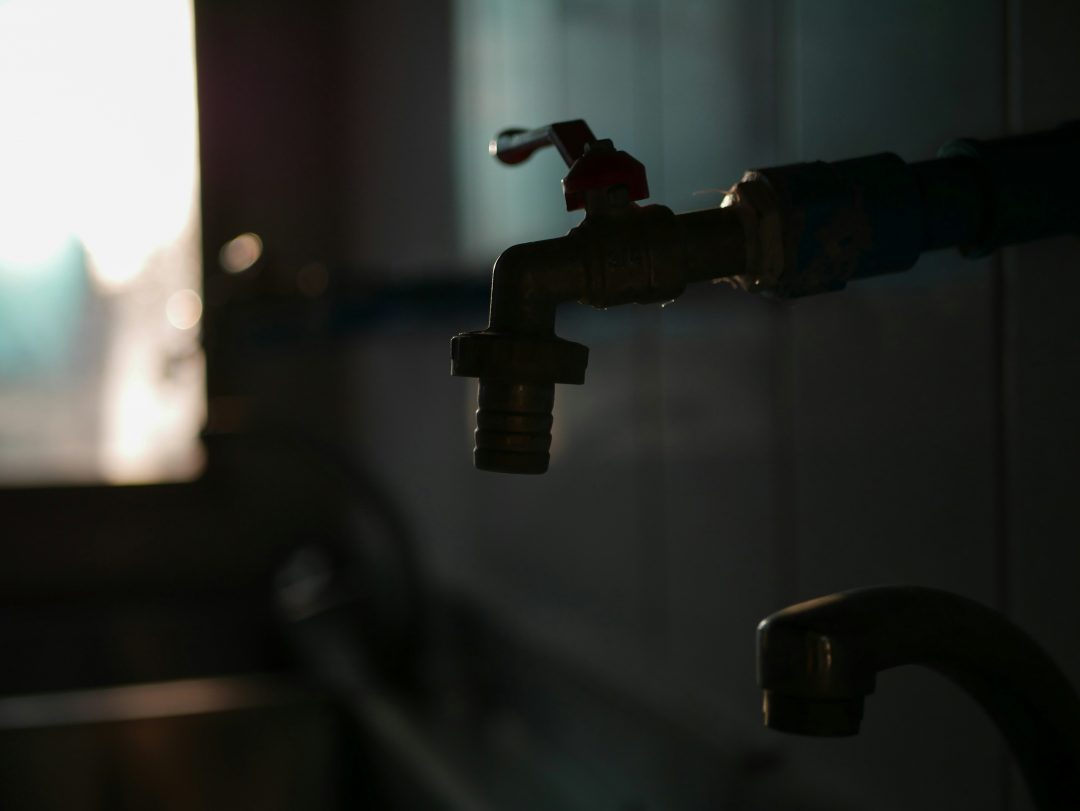
Within household plumbing systems, certain sections experience little to no regular water flow. These include so-called dead legs — pipe sections with no active circulation — as well as low-use outlets such as guest bathrooms, outdoor taps, or rarely used fixtures. These areas create unique conditions that can significantly influence water quality, yet they are […]
How Pressure Fluctuations Mobilize Particles and Deposits

Household plumbing systems are designed to operate under relatively stable pressure conditions. In practice, however, pressure fluctuations occur frequently due to water usage patterns, valve operations, and variations in the supply network. These fluctuations create mechanical forces within the system that can directly affect water quality. One key effect is the mobilization of particles and […]
Why First-Draw Water in the Morning Is Often More Contaminated
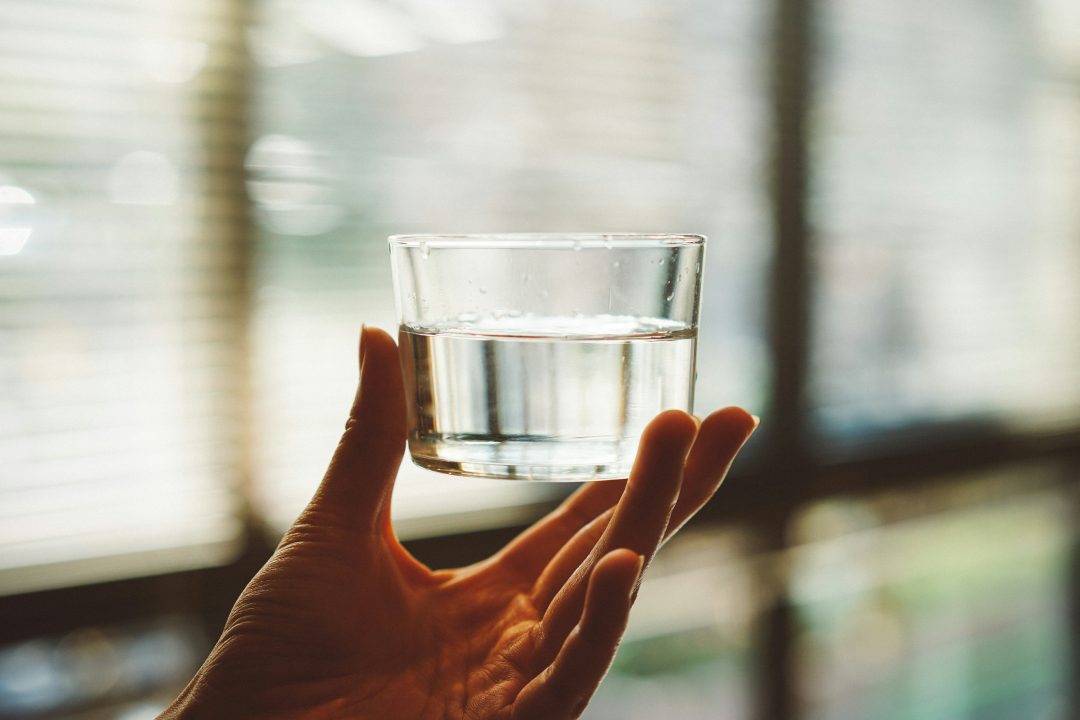
In most households, the first water used in the morning comes directly from the tap after several hours of inactivity. This “first-draw” water often differs in composition from water that flows after a short period of flushing. The reason lies in overnight stagnation within the plumbing system. During this time, water remains stationary in pipes, […]
Dissolved vs. Particulate Contaminants in Drinking Water
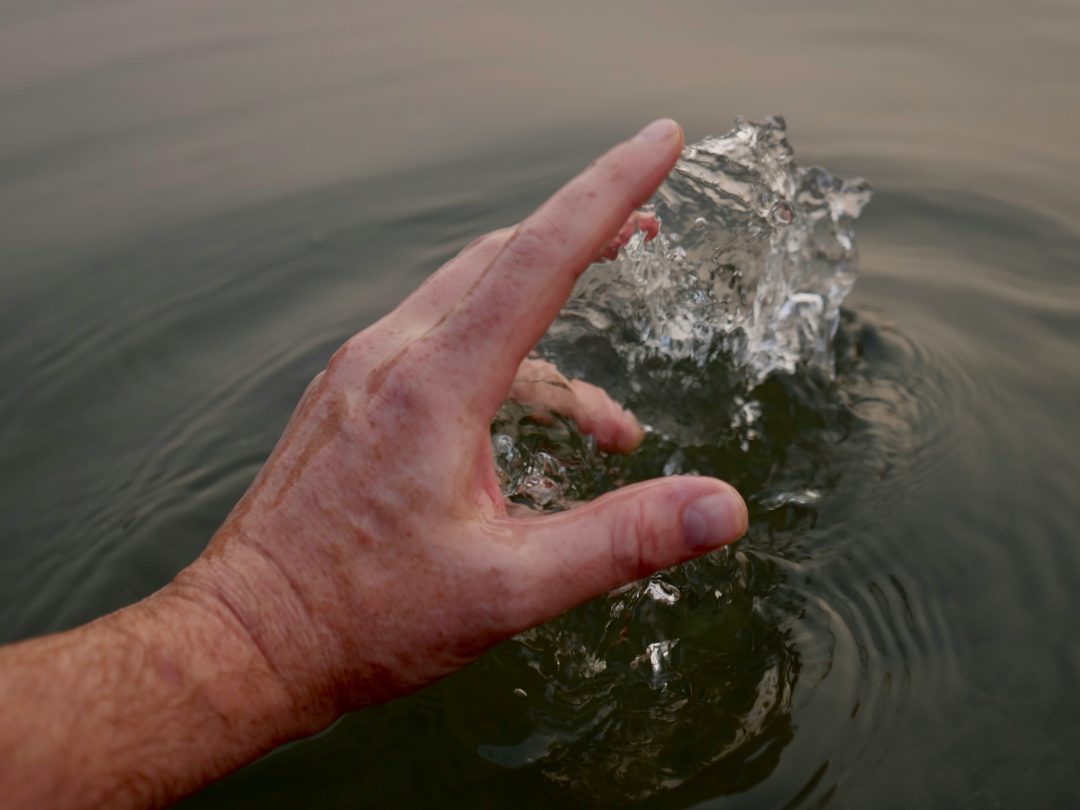
Drinking water can contain different types of contaminants that vary fundamentally in their physical form. A key distinction is between dissolved substances and particulate matter. These two categories behave differently in water and require different approaches for detection, interpretation, and treatment. Understanding this distinction is essential for accurate water quality assessment. Dissolved contaminants Dissolved substances […]
From Sample to Result: Where Uncertainty Enters Water Analysis
Why water test results are not absolute facts Water analysis is often perceived as objective and definitive. A sample is taken, measured, and reported as a numerical result. In practice, every analytical result is the outcome of a chain of decisions, assumptions, and technical limitations. Understanding where uncertainty enters this chain is essential for interpreting […]
Mixtures in Drinking Water: Why Single-Substance Thinking Falls Short
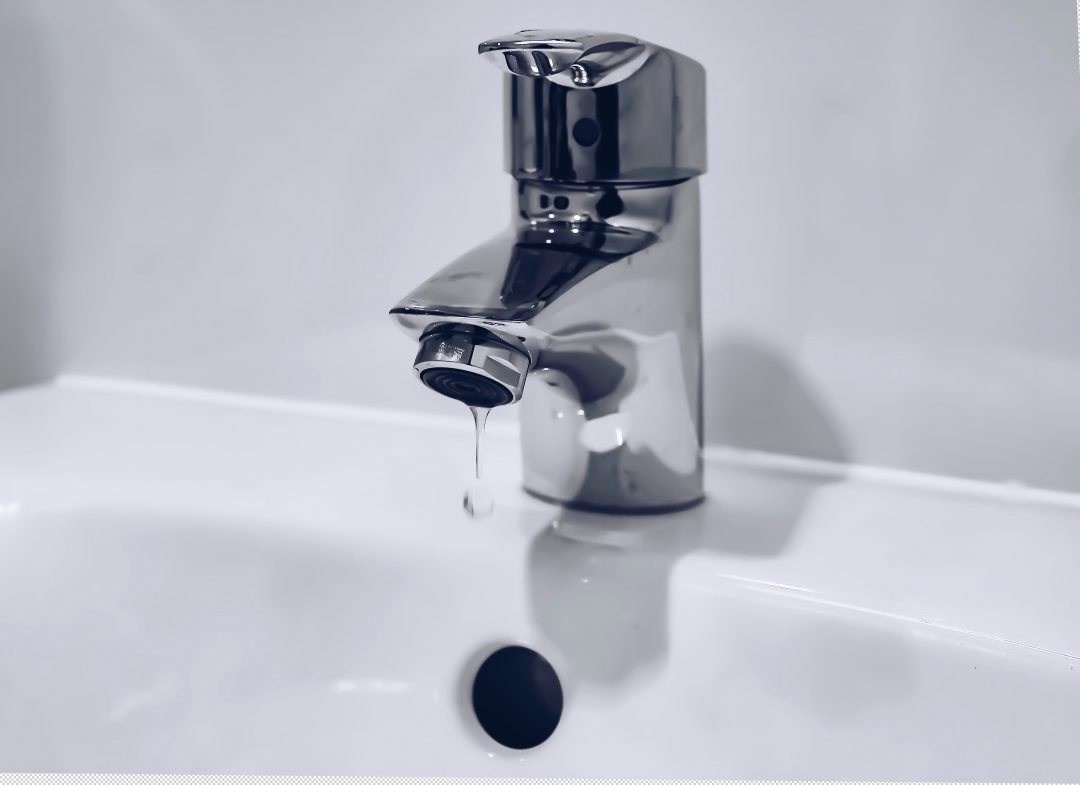
The way drinking water is usually evaluated Drinking water quality is most often discussed in terms of individual substances. Regulations, test reports, and consumer-facing analyses typically focus on single compounds measured against defined limits. This approach has practical advantages: it simplifies assessment, enables standardization, and allows clear regulatory decisions. However, from an exposure science perspective, […]