Refrigerator Water Dispensers and Ice Makers: The Overlooked Drinking Water Pathway
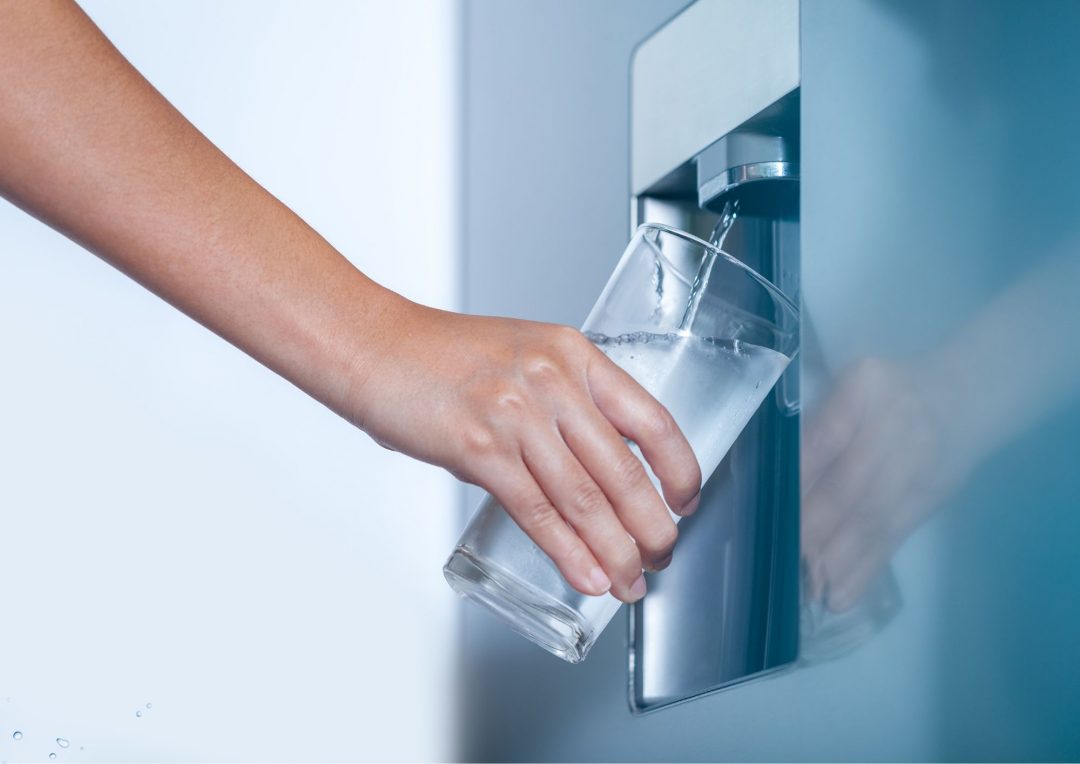
Refrigerator Water Dispensers and Ice Makers: The Overlooked Drinking Water Pathway Water from the refrigerator often seems especially fresh. It is cold, clear and frequently filtered. Before reaching the glass or becoming an ice cube, however, it passes through additional hoses, valves, filters and dispensing components. The refrigerator does not shorten the water pathway. It […]
TFA in Drinking Water: Why the Smallest PFAS Is So Difficult to Remove
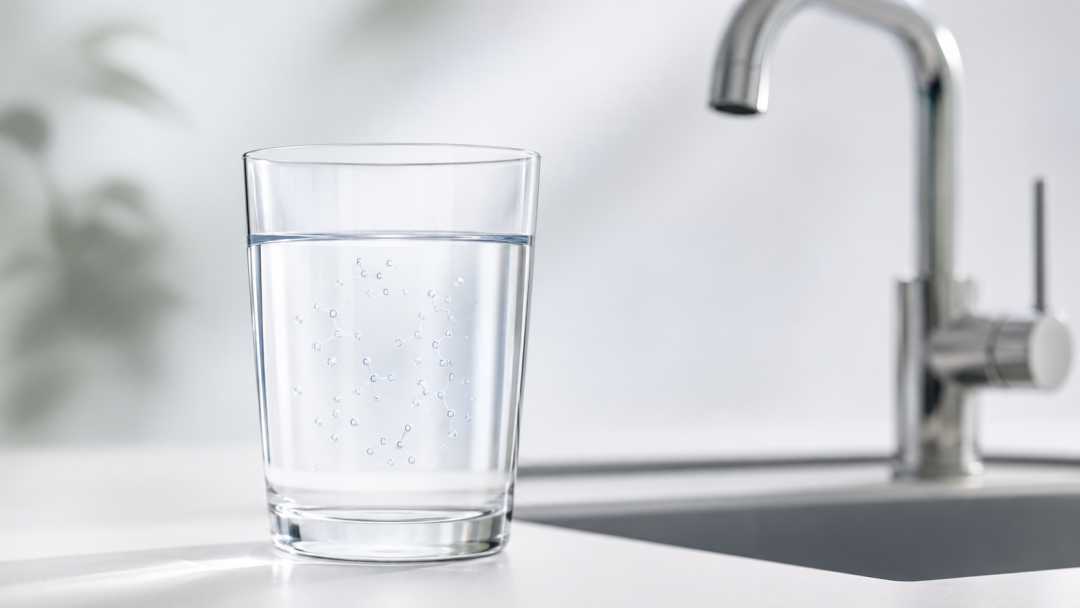
When PFAS are discussed, well-known compounds such as PFOS and PFOA usually receive the most attention. Trifluoroacetic acid, or TFA, differs significantly from these substances: it is extremely small, highly soluble in water and moves almost unhindered through soils, water bodies and many treatment processes. In water, it is predominantly present as the negatively charged […]
The Hidden Difference Between Removing Contaminants and Reducing Exposure

Water filtration is often discussed in simple terms: a contaminant is either removed or it is not. This makes filtration sound like a fixed technical result. In reality, removing contaminants from a water sample and reducing human exposure in daily life are related, but they are not the same thing. A filter may reduce certain […]
Filter Certification Explained: Why NSF, DIN, and Laboratory Testing Matter More Than Marketing Claims
Water filters are often sold with strong claims. They may promise cleaner taste, fewer contaminants, safer drinking water, or advanced protection against specific substances. Some of these claims are valid, but others are too broad, poorly explained, or not supported by transparent test data. That is why filter certification matters. A drinking-water filter should not […]
Earthy or Musty Tap Water: What Geosmin and MIB Say About Source Water Quality
Tap water should taste clean and neutral. When it starts to smell earthy, musty, muddy, or woody, many people assume the water is contaminated or unsafe. In many cases, the cause is not sewage or dirt, but natural taste-and-odor compounds called geosmin and MIB. MIB stands for 2-methylisoborneol. Geosmin and MIB are produced by certain […]
Pesticides in Drinking Water: How Agriculture Can Reach Your Tap
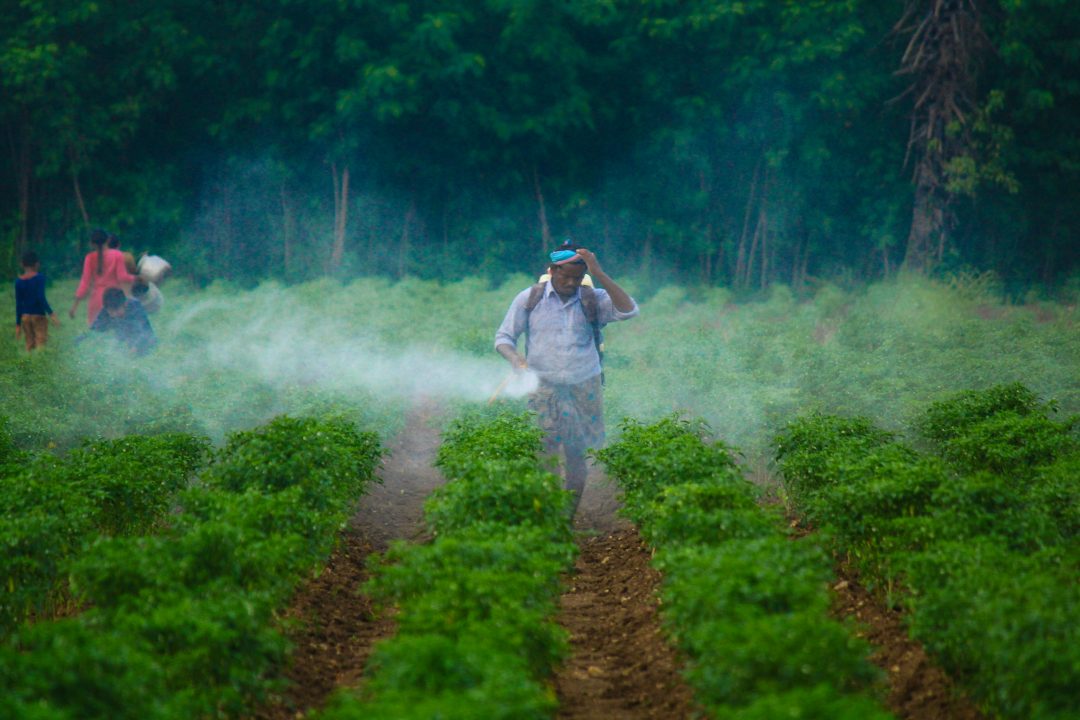
Agriculture depends on pesticides to control weeds, insects, fungi, and other pests. These substances help protect crop yield, but they do not always stay exactly where they are applied. Rainfall, irrigation, soil type, drainage, and groundwater movement can carry pesticide residues away from fields and into nearby water systems. This is how agriculture can affect […]
Disinfection By-Products in Tap Water: The Hidden Side Effect of Water Treatment
Disinfection is one of the most important steps in drinking-water treatment. It helps control bacteria, viruses, and other harmful microorganisms before water reaches homes. Without disinfection, tap water would carry a much higher risk of waterborne disease. But there is a side effect. When disinfectants such as chlorine, chloramine, ozone, or chlorine dioxide react with […]
Old Water Filters: When Poor Maintenance Turns Filtration Into a Hygiene Risk
Water filters are used to improve household drinking water by reducing taste, odor, chlorine, particles, selected organic compounds, and specific contaminants depending on the filter technology. They can be useful, but they are not permanent safety devices. A water filter only works properly when it is installed, used, and maintained correctly. Its performance depends on […]
Kitchen Pull-Out Faucets: The Overlooked Contact Point in Drinking-Water Hygiene
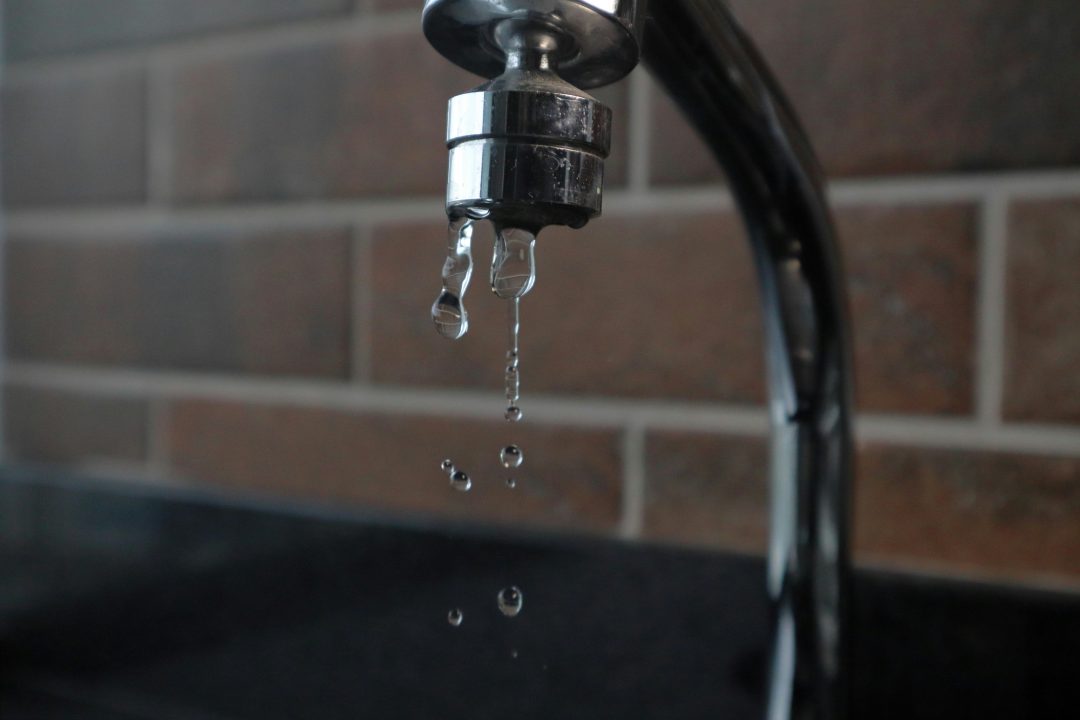
Kitchen pull-out faucets are convenient, but they are also one of the most underestimated contact points in household drinking-water hygiene. The risk is not the faucet concept itself. The risk comes from hose handling, spray-head contamination, internal surfaces, backflow potential, and poor maintenance. Drinking water quality is not only determined by the public supply. It […]
Biofilm in Water Systems: The Hidden Risk Behind Stable Readings
Biofilm formation is one of the most underestimated risks in water systems. Even when standard parameters such as pH, turbidity, or conductivity appear stable, biofilms can develop undetected on internal surfaces. These microbial layers compromise water quality, reduce system efficiency, and significantly increase health risks. A biofilm is a structured community of microorganisms embedded in […]