Water quality control is one of the most critical aspects of modern water management. Whether in industrial facilities, public infrastructure, healthcare environments, or commercial buildings, accurate water monitoring is essential for safety, compliance, and operational reliability.
Traditionally, many sampling processes have depended heavily on manual procedures. While effective in some cases, manual sampling can introduce inconsistencies, delays, and human error.
As water systems become more complex, automated sampling technologies are becoming an increasingly important solution.
The Challenge of Manual Water Sampling
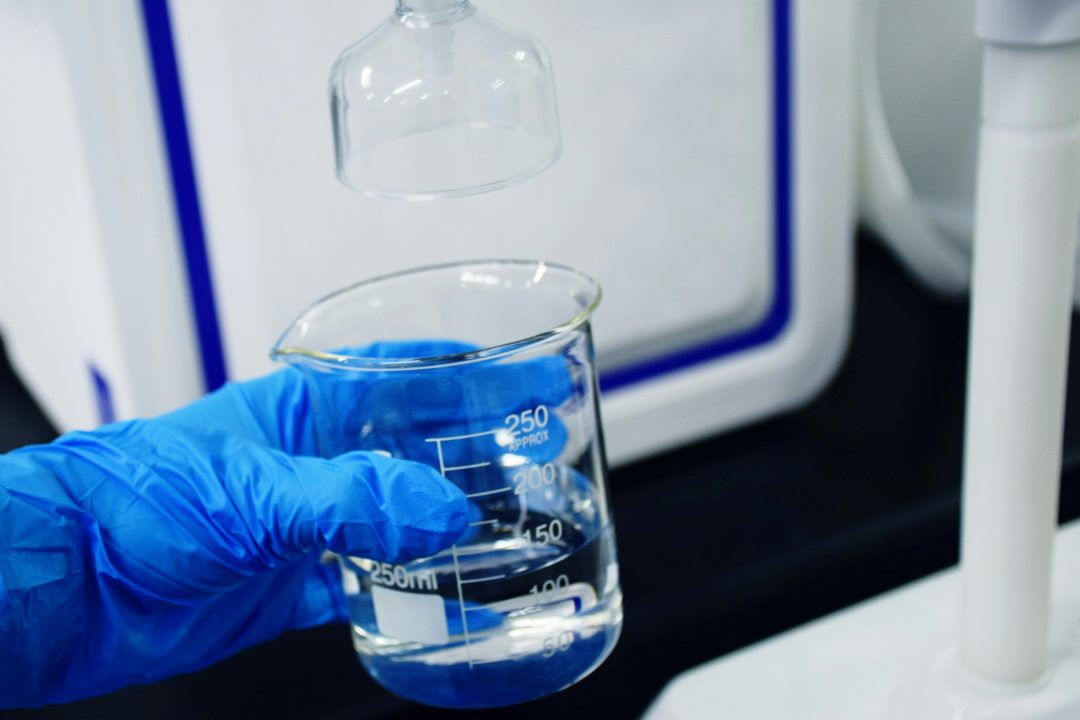
Manual water sampling requires personnel to collect samples at specific locations and intervals. This process often depends on timing accuracy, proper handling, documentation consistency, and transportation conditions.
Even small deviations can affect data quality and reduce confidence in monitoring results.
Common challenges include delayed sampling, inconsistent collection procedures, incomplete documentation, contamination risks, and variations caused by human handling.
Why Accuracy Matters in Water Quality Control
Reliable water data is essential for operational decisions, regulatory compliance, and risk management.
Inaccurate or inconsistent sampling can lead to:
- Delayed detection of contamination
- Incorrect water quality analysis
- Increased operational risks
- Regulatory non-compliance
- Higher maintenance and remediation costs
For industries that depend on stable water quality, even minor monitoring gaps can create significant consequences.
How Automated Sampling Systems Work
Automated sampling systems are designed to collect water samples at predefined intervals or based on specific system conditions.
These systems can operate continuously without relying on manual intervention, improving consistency and reducing variability in the sampling process.
Modern technologies may also integrate with digital monitoring platforms, sensors, and real-time data management systems.
Benefits of Automated Sampling
Automated sampling improves consistency by ensuring that samples are collected according to standardized procedures and schedules.
It also reduces dependency on manual processes, minimizes contamination risks caused by handling, and supports more accurate long-term monitoring.
In many applications, automation helps reduce labor requirements while increasing efficiency and traceability.
For facilities managing large or distributed water systems, automated sampling can significantly improve operational visibility.
The Role of Digitalization in Water Management
Automation is part of a broader shift toward smarter and more connected water infrastructure.
Real-time monitoring, remote system access, predictive maintenance, and automated quality control are becoming increasingly important in modern water management strategies.
As regulations tighten and operational expectations rise, digital solutions help organizations improve both compliance and efficiency.
What Organizations Should Consider
Before implementing automated sampling systems, organizations should evaluate factors such as system compatibility, sampling frequency, maintenance requirements, data integration capabilities, and regulatory expectations.
Successful implementation also depends on selecting technologies that fit the operational environment and long-term monitoring goals.
Conclusion
Automated sampling is transforming how water quality monitoring is managed.
By reducing human error, improving consistency, and supporting real-time quality control, automation helps organizations build more reliable and efficient water systems.
At Sydros, we believe the future of water management lies in intelligent systems that combine automation, accuracy, and data-driven decision-making to improve water quality and operational performance.