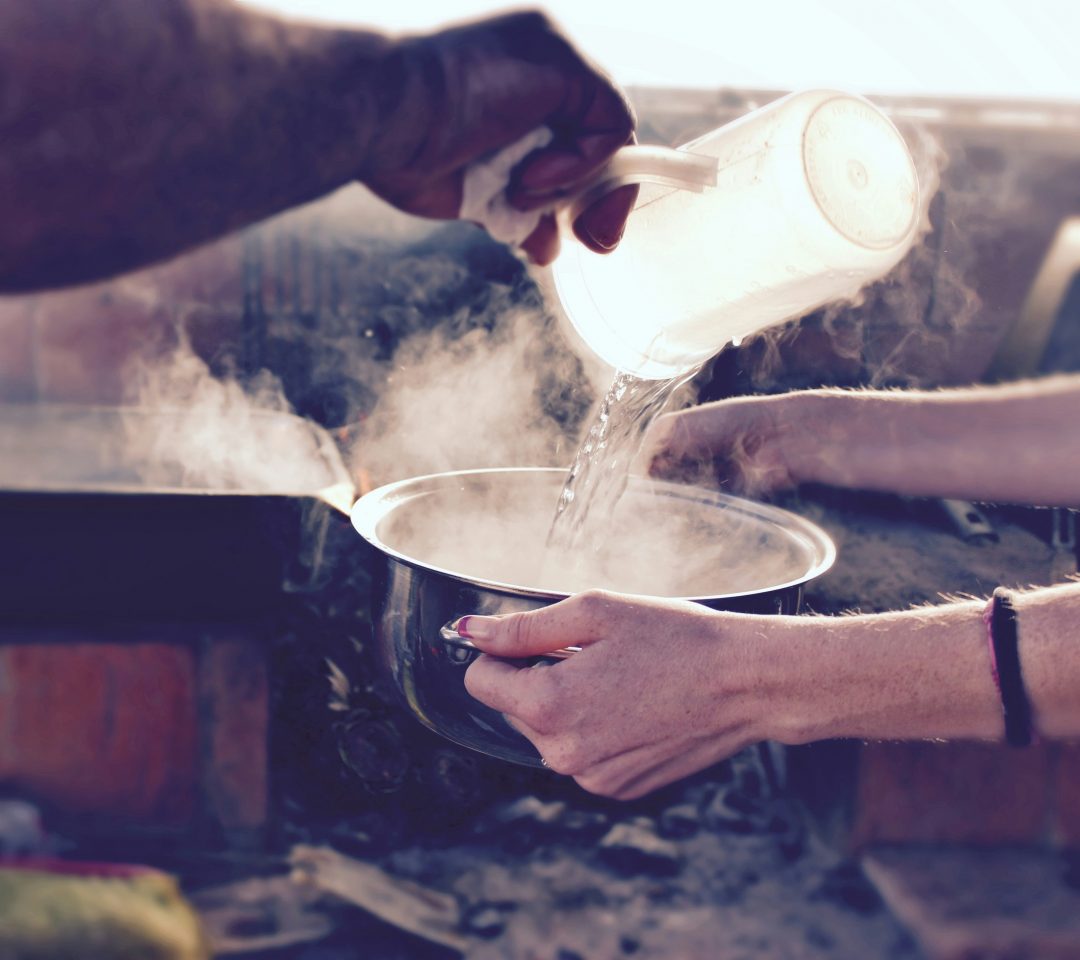
Hot water is associated with comfort, but from a water quality perspective it represents one of the most sensitive zones in household plumbing. Elevated temperatures accelerate chemical reactions, stimulate microbial activity, and intensify interactions between water and materials. Research and regulatory guidance consistently show that hot water systems require special attention.
Temperature acts as a catalyst. As water warms, reaction rates increase and microbial processes become more active. In plumbing systems, biofilms respond strongly to temperature. Many microorganisms thrive between approximately 25 °C and 45 °C, a range commonly found in domestic hot water systems. Studies demonstrate significantly higher biofilm activity and microbial counts in warm sections of plumbing compared to cold water lines [World Health Organization, Guidelines for drinking-water quality, https://www.who.int/publications/i/item/9789241549950].
Legionella pneumophila is the most prominent example. These bacteria proliferate in warm, stagnant water and are a global concern for building water safety. Investigations show that Legionella contamination typically originates within building hot water systems, particularly in storage tanks, circulation loops, and low-use outlets, rather than from treated source water
[Robert Koch Institute, Legionellosis – prevention and control, https://www.rki.de/EN/Content/infections/epidemiology/inf_dis/legionellosis/legionellosis_node.html].
Heat also affects chemical water quality. Higher temperatures increase the release of metals and organic compounds from pipes, fittings, and seals. Research on domestic plumbing indicates that hot water samples often contain higher concentrations of copper, nickel, and plastic-related substances compared to cold water from the same system [German Environment Agency, Metal release from drinking water installations, https://www.umweltbundesamt.de/publikationen/metallabgabe-aus-trinkwasserinstallationen].
The most critical situation arises when heat and stagnation coincide. In recirculating systems or rarely used outlets, water can remain within a temperature range that favors microbial growth for extended periods. Studies show that this combination leads to the most pronounced changes in both microbial and chemical water quality [DVGW, Technical Rule W 551, https://www.dvgw.de/medien/dvgw/regelwerk/dvgw-arbeitsblatt-w-551.pdf].
This does not mean that hot water is inherently unsafe. It means that hot water behaves differently than cold water and must be managed accordingly. Drinking water quality is temperature-dependent, and hot water systems represent a distinct risk zone within the household plumbing network.
Hot water is not neutral drinking water.
It is a dynamic and sensitive part of the system.
Learn more at klar2o.com