Addressing Emerging Water Contaminants: Klar2O’s Cutting-Edge Filtration Solution
The landscape of water treatment is evolving rapidly. Industrial operators and municipalities are now facing the immediate challenge of dealing with contaminants such as microplastics, nanoplastics, and PFAS (per- and polyfluoroalkyl substances). These substances, once considered distant concerns, are now pressing issues that demand advanced treatment strategies. Klar2O, a company focused on cutting-edge filtration technology, […]
The Future of Smart Water Treatment Systems: How IoT is Revolutionizing Water Quality Monitoring

In the age of technology, industries across the globe are harnessing the power of the Internet of Things (IoT) to improve efficiency, reduce costs, and enhance quality across various sectors. Water treatment is no exception. As water becomes an increasingly precious resource, municipalities, industries, and households are turning to smart water treatment systems to better […]
Removing Microplastics and PFAS from Water: A Smarter Approach to Industrial and Municipal Filtration
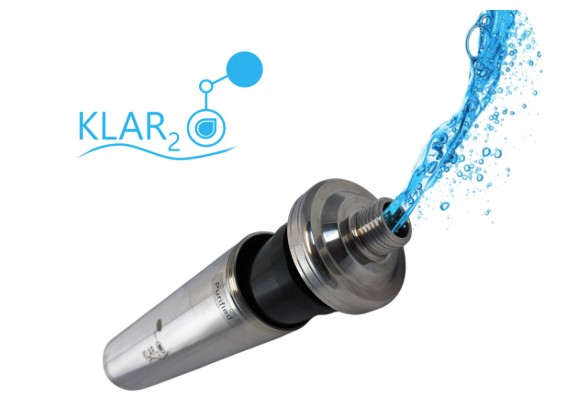
Water treatment standards are changing. For industrial operators and municipalities, contaminants such as microplastics, nanoplastics, and PFAS are no longer future concerns. They are immediate technical and regulatory challenges that require more advanced treatment strategies. The Handelsblatt advertorial presents Klar2O as a company focused on addressing this problem through a filtration approach designed for real-world […]
Dead Legs and Low-Use Outlets – Underestimated Risk Zones in Plumbing Systems
Within household plumbing systems, certain sections experience little to no regular water flow. These include so-called dead legs — pipe sections with no active circulation — as well as low-use outlets such as guest bathrooms, outdoor taps, or rarely used fixtures. These areas create unique conditions that can significantly influence water quality, yet they are […]
How Water Hardness Influences Chemical Equilibria and Scaling

Water hardness is a fundamental parameter of drinking water quality, defined primarily by the concentration of dissolved calcium and magnesium ions. These minerals influence not only taste but also chemical equilibria and the formation of scale within plumbing systems and appliances. Their behavior depends strongly on environmental and system-specific conditions. Composition and significance of water […]
Interactions Between Filtration and Mineral Content in Water
Filtration is often associated with the removal of contaminants. However, filtration processes can also affect the mineral composition of water. These interactions depend on the filtration technology used and the characteristics of the source water. Understanding these relationships is essential for accurately evaluating water quality after treatment. Natural mineral content in drinking water Drinking water […]
Why Water Analyses Are Snapshots – and What That Means
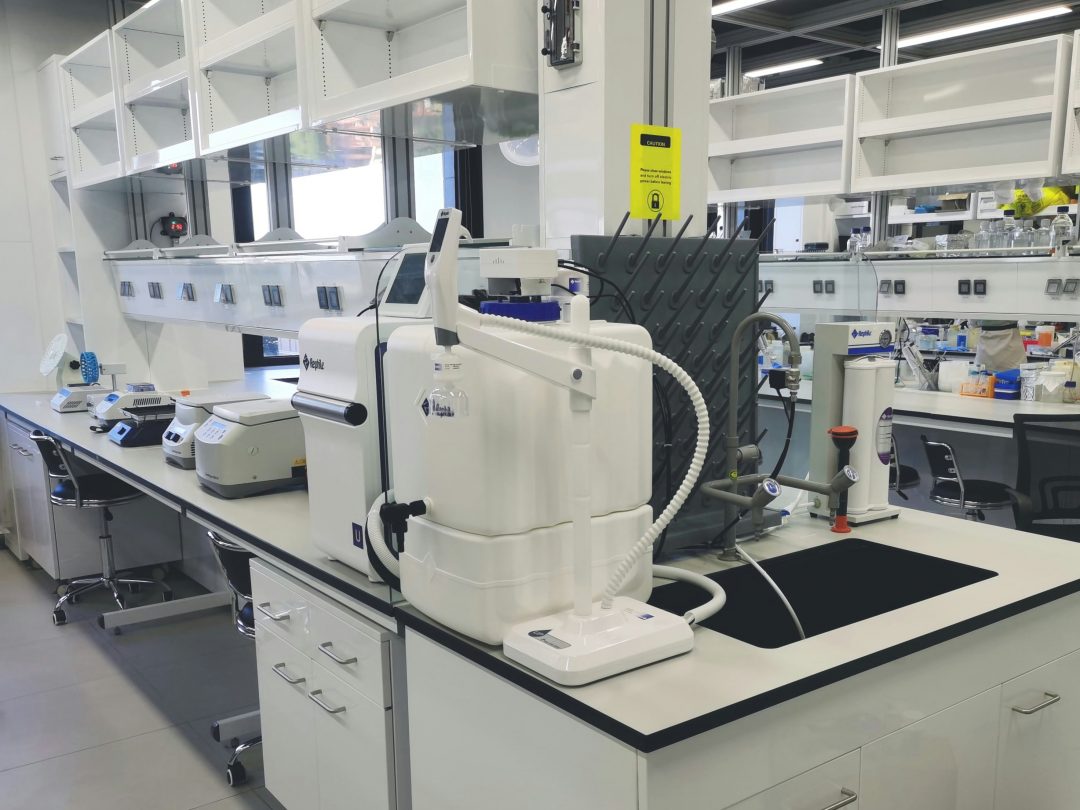
Water analysis provides precise measurements and is a key tool for evaluating drinking water quality. However, it is often overlooked that each analysis represents only a single point in time. This limitation has important implications for how results should be interpreted. Drinking water is a dynamic system, and its composition can change depending on multiple […]
How Pressure Fluctuations Mobilize Particles and Deposits

Household plumbing systems are designed to operate under relatively stable pressure conditions. In practice, however, pressure fluctuations occur frequently due to water usage patterns, valve operations, and variations in the supply network. These fluctuations create mechanical forces within the system that can directly affect water quality. One key effect is the mobilization of particles and […]
Microorganisms in Drinking Water – When They Become a Problem
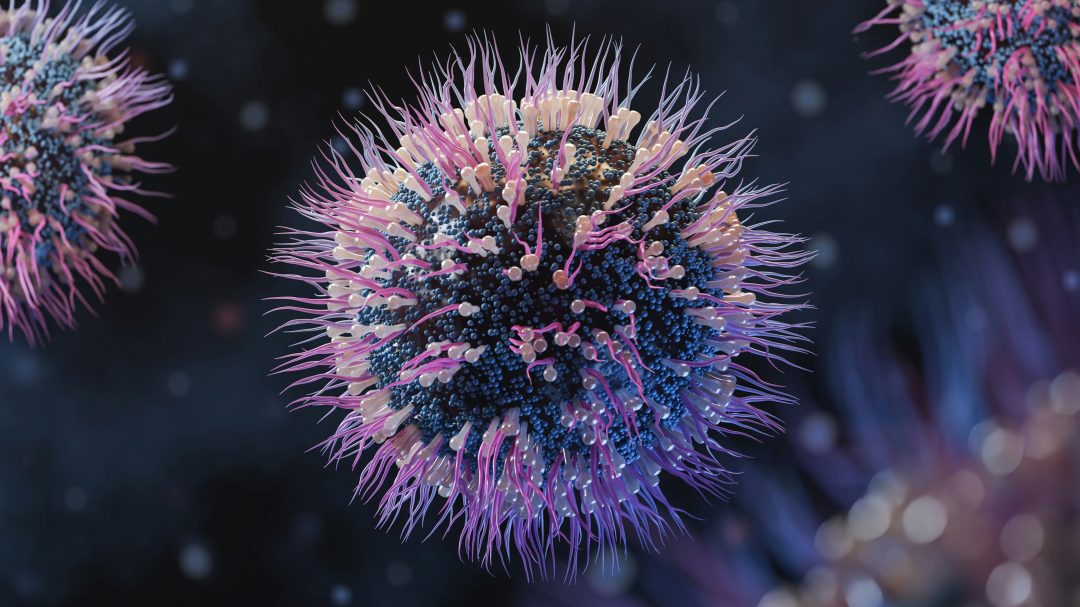
Drinking water is not sterile. Even when it meets all regulatory standards, it contains low levels of naturally occurring microorganisms. Under normal conditions, these are harmless and part of a stable system. However, changes within the plumbing environment can shift this balance and lead to microbiological issues. The key factor is not just the presence […]
How Temperature Cycles Influence Chemical Reactions in Drinking Water
Drinking water within household plumbing systems is continuously exposed to changing environmental conditions. Among these, temperature fluctuations — or temperature cycles — play a critical role in influencing chemical processes within the system. These changes occur daily due to water usage patterns, seasonal variation, and pipe location, yet their impact on water quality is often […]