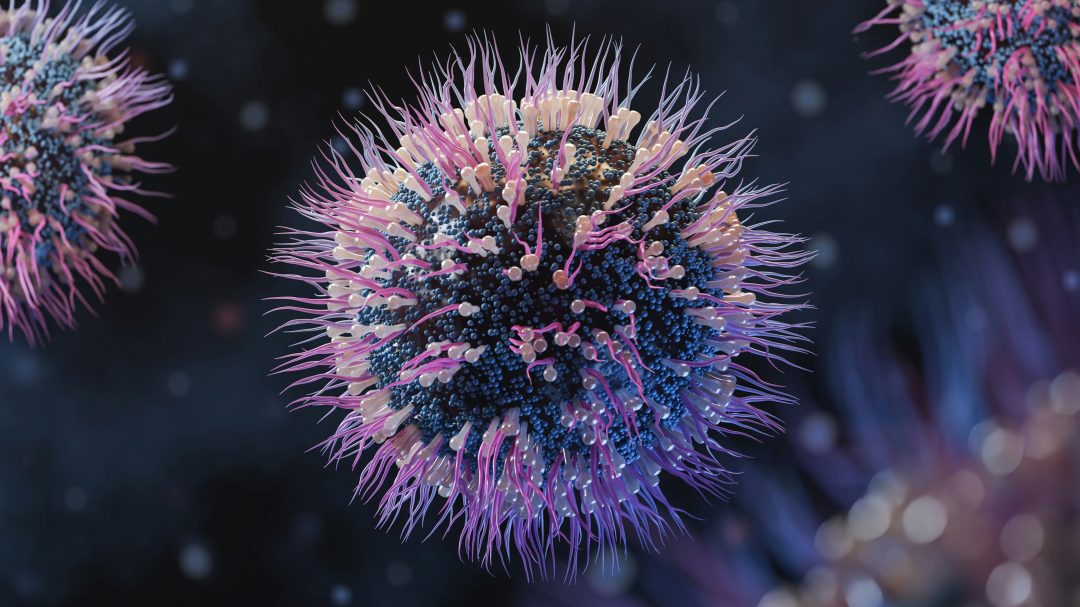
Drinking water is not sterile. Even when it meets all regulatory standards, it contains low levels of naturally occurring microorganisms. Under normal conditions, these are harmless and part of a stable system. However, changes within the plumbing environment can shift this balance and lead to microbiological issues.
The key factor is not just the presence of microorganisms, but how they behave under specific conditions.
Natural presence of microorganisms
Treated drinking water typically contains small numbers of bacteria originating from natural sources. Water treatment processes are designed to reduce microbial load to safe levels, but not to eliminate all microorganisms completely.
As a result, microorganisms are present throughout the distribution network and within household plumbing systems.
Conditions that promote microbial growth
Microorganisms become relevant when environmental conditions support their growth or activity. Key factors include:
• Water stagnation and low flow conditions
• Elevated temperatures
• Availability of nutrients (e.g., organic residues)
• Surfaces for attachment, such as pipe walls
Under these conditions, microorganisms can multiply or organize into structured communities.
Biofilms as a key mechanism
Biofilm formation is one of the most important processes in plumbing systems. These structures allow microorganisms to attach to surfaces and persist over time.
Within biofilms, different species can interact, and parts of the biofilm may detach, releasing microorganisms into the water flow.
Impact on water quality
Microbiological changes can affect water quality in several ways:
• Altered taste or odor
• Presence of particles or turbidity
• Changes in microbiological test results
These effects do not always indicate immediate health risks but signal that conditions within the system have shifted.
When microorganisms become relevant
Not all microorganisms are problematic. Their relevance depends on concentration, species, and the specific use case.
Sensitive applications or vulnerable individuals may require stricter control compared to typical household use.
Practical implications for households
Understanding microbiological dynamics helps in managing water quality at the point of use.
Recommended actions:
• Flush taps after periods of stagnation
• Avoid long-term inactivity in rarely used outlets
• Monitor temperature conditions in plumbing systems
• Consider microbiological testing where appropriate
Conclusion
Microorganisms are a natural component of drinking water, but under certain conditions within plumbing systems, they can become relevant to water quality. Stagnation, temperature, and biofilm formation are key influencing factors.
A comprehensive assessment of water quality must therefore include both chemical and microbiological perspectives.
Learn more at klar2o.com