
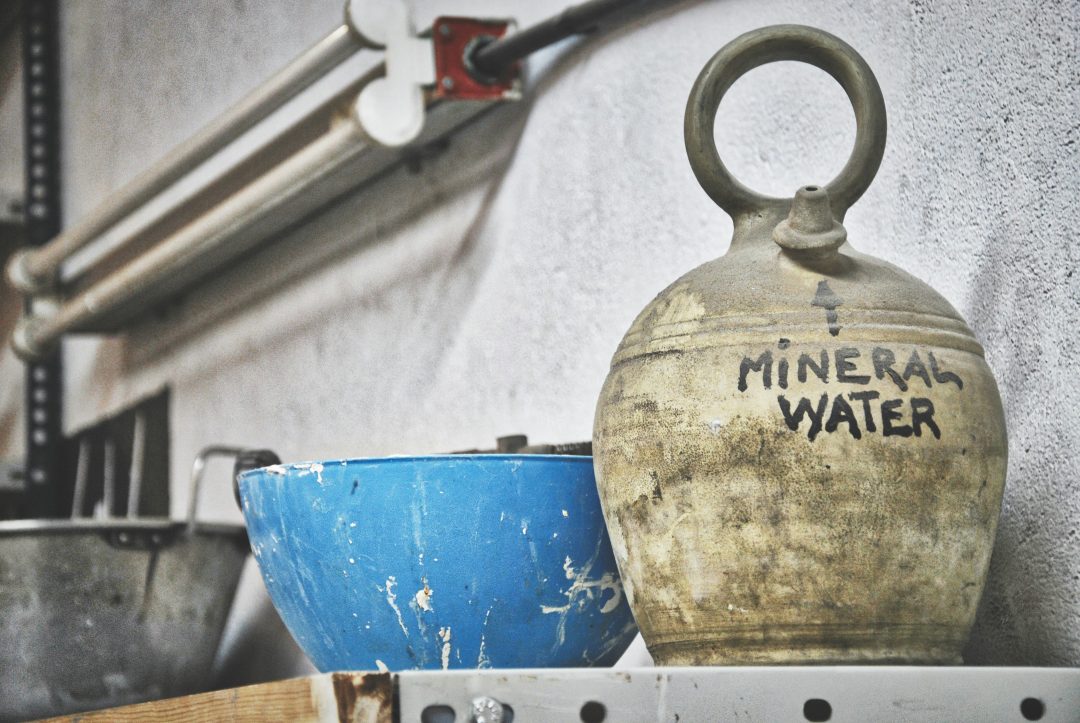
Filtration is often associated with the removal of contaminants. However, filtration processes can also affect the mineral composition of water. These interactions depend on the filtration technology used and the characteristics of the source water.
Understanding these relationships is essential for accurately evaluating water quality after treatment.
Natural mineral content in drinking water
Drinking water naturally contains dissolved minerals such as calcium, magnesium, and sodium. These originate from geological interactions and contribute to the chemical properties, hardness, and taste of water.
Mineral content plays a role in both water chemistry and sensory perception.
Effects of different filtration technologies
Different filtration methods influence mineral content to varying degrees:
• Mechanical filtration removes particles but has little effect on dissolved minerals
• Adsorptive media (e.g., activated carbon) primarily target organic compounds and typically leave minerals unchanged
• Ion exchange systems can selectively replace or reduce specific ions
• Membrane technologies can significantly reduce both contaminants and minerals
The extent of mineral reduction depends on system design and operating conditions.
Changes in chemical equilibria
Altering the concentration of dissolved ions shifts chemical equilibria in water. This can affect parameters such as pH, conductivity, and scaling potential.
These changes influence not only water chemistry but also how water interacts with plumbing materials and surfaces.
Impact on taste and perception
Minerals contribute significantly to the taste profile of water. Reducing mineral content often results in a more neutral taste, while higher mineral levels can produce a more pronounced flavor.
These sensory effects occur independently of contaminant removal and are an important aspect of user perception.
Balancing purity and composition
Filtration aims to remove unwanted substances, but it inevitably alters the overall composition of water. The challenge lies in balancing contaminant reduction with maintaining a desirable mineral profile.
The optimal balance depends on the intended use and user preferences.
Practical implications for households
Understanding how filtration affects mineral content helps in selecting appropriate treatment solutions.
Recommended actions:
• Evaluate the impact of filtration on both contaminants and minerals
• Consider post-treatment options where mineral balance is important
• Align filtration approach with intended water use (drinking, cooking, etc.)
• Interpret water analysis results in the context of treatment methods
Conclusion
Filtration and mineral content are closely interconnected. Depending on the technology used, both contaminants and natural minerals can be affected.
A comprehensive approach to water quality must therefore consider not only the removal of harmful substances but also the resulting mineral composition of the treated water.
Learn more at klar2o.com