Why First-Draw Water in the Morning Is Often More Contaminated
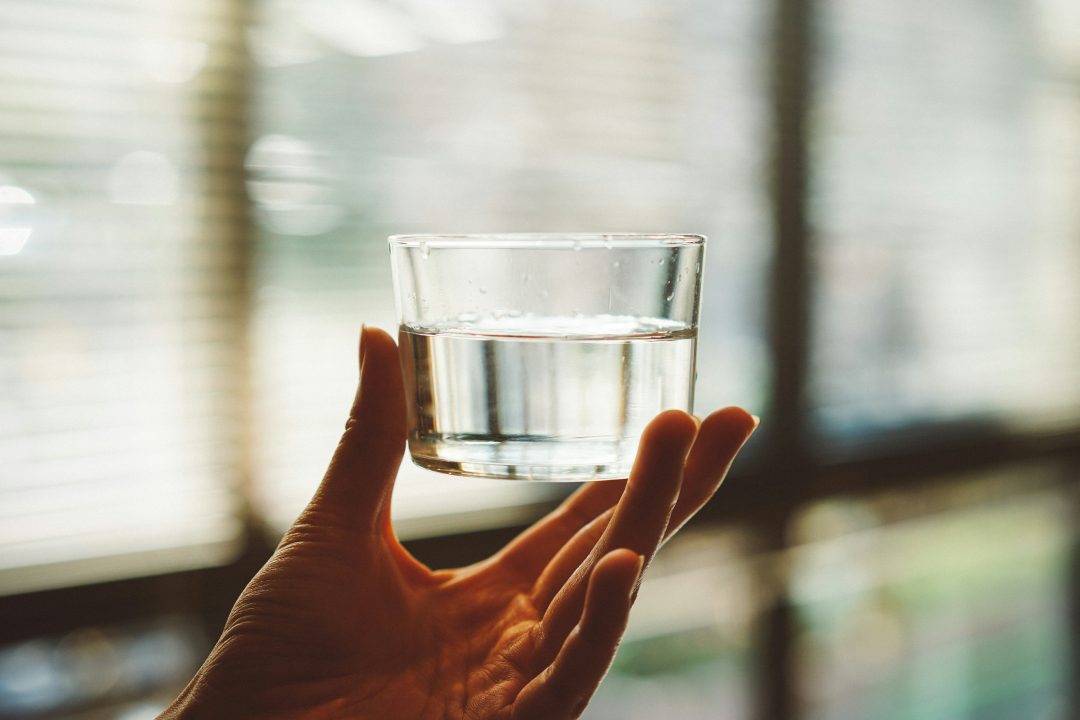
In most households, the first water used in the morning comes directly from the tap after several hours of inactivity. This “first-draw” water often differs in composition from water that flows after a short period of flushing. The reason lies in overnight stagnation within the plumbing system. During this time, water remains stationary in pipes, […]
Dissolved vs. Particulate Contaminants in Drinking Water
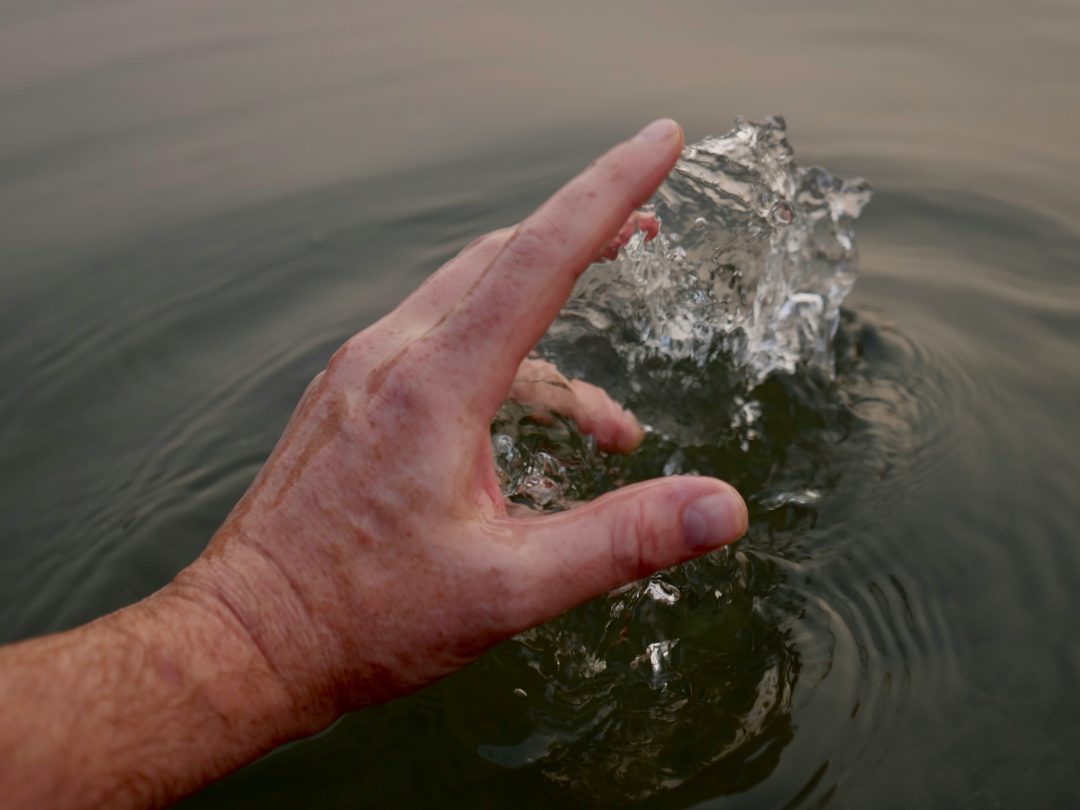
Drinking water can contain different types of contaminants that vary fundamentally in their physical form. A key distinction is between dissolved substances and particulate matter. These two categories behave differently in water and require different approaches for detection, interpretation, and treatment. Understanding this distinction is essential for accurate water quality assessment. Dissolved contaminants Dissolved substances […]
Biofilms in Pipes – Hidden Risks in Drinking Water Systems

Inside household plumbing systems, water is in constant contact with pipe surfaces. Over time, this environment enables the formation of biofilms — microscopic layers of microorganisms that attach to and grow on internal surfaces. Although invisible to the user, biofilms are a fundamental factor influencing drinking water quality within buildings. What are biofilms? Biofilms are […]
How Water Stagnation Time Impacts Household Water Quality
In residential plumbing systems, water is not continuously flowing. Periods of inactivity — overnight, during work hours, or extended absence — result in water remaining stationary within pipes. This condition, known as stagnation, creates a distinct environment in which physical, chemical, and microbiological processes can alter water quality. While these effects are often not immediately […]
Why Filtration Performance Is Not the Same as Water Sensory Perception – Sensory vs. Chemistry
Understanding the difference between filtration performance and sensory perception Water filters are often evaluated based on their ability to remove contaminants from water. This is the chemical side of filtration performance. However, sensory perception, which includes taste and odor, is just as important — but often overlooked. So what happens when filtration performance and the […]
What Happens When Drinking Water Remains Under Pressure for Long Periods – Physical Effects in Household Plumbing
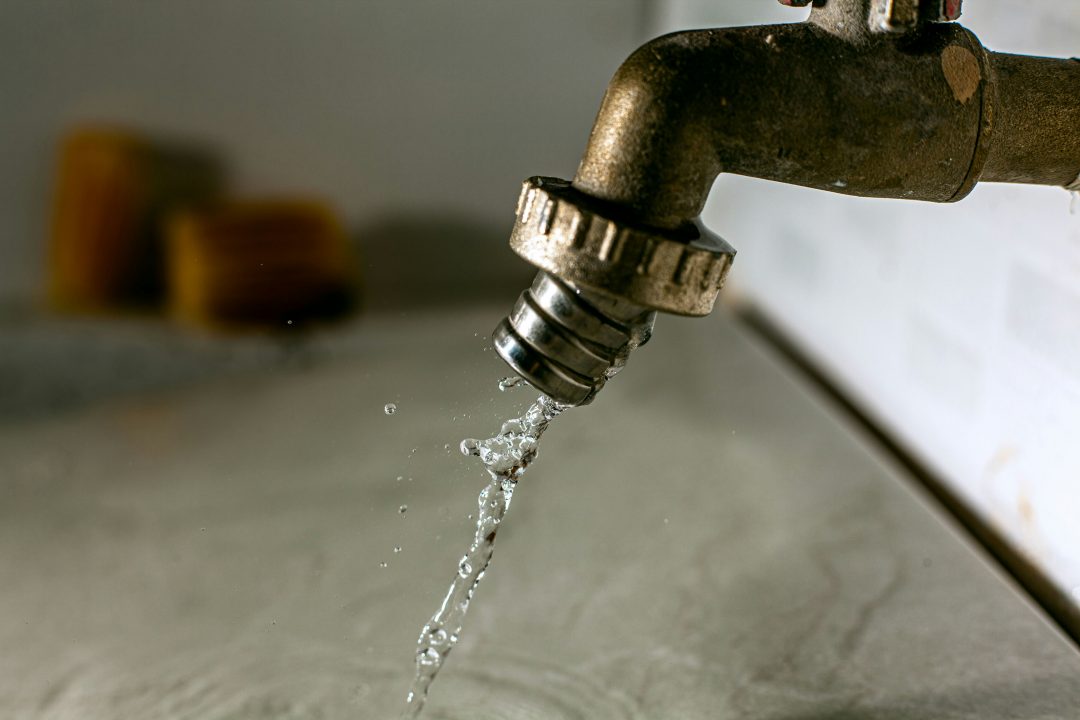
Pressure changes in household water systems: An underestimated phenomenon Drinking water is typically kept under constant pressure within household plumbing to maintain a steady flow. However, what happens when water remains under high pressure for long periods without flowing? The effects on water quality and the plumbing system materials are often invisible at first, but […]
Why Water from Outdoor Taps Reacts Differently Than from Indoor Pipes
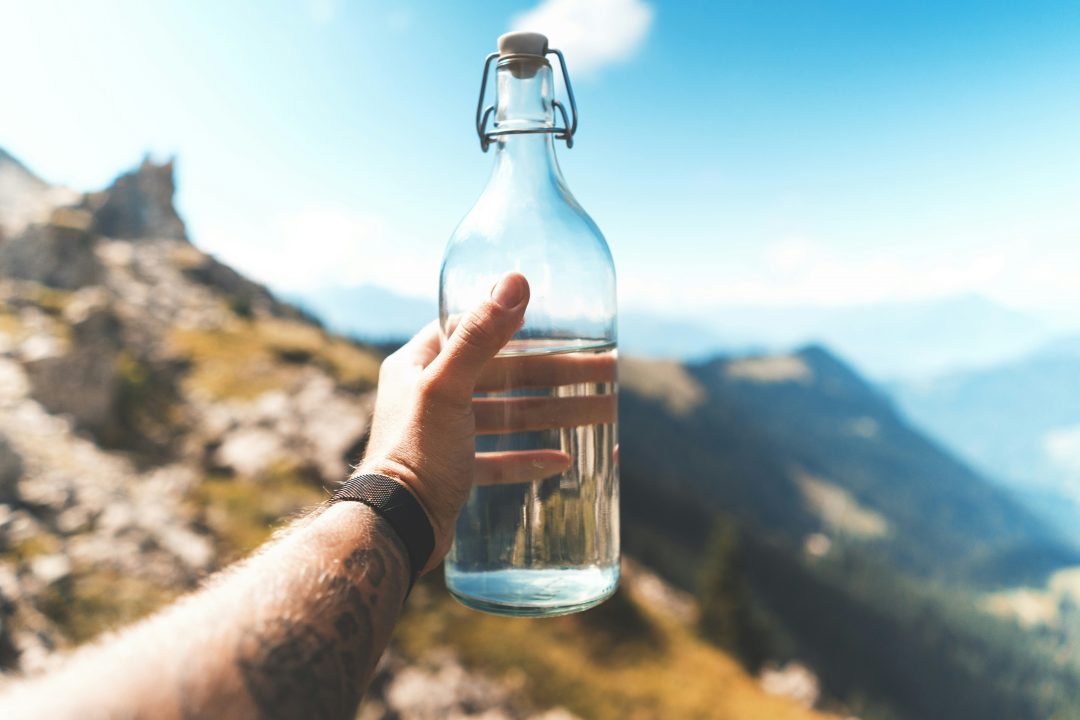
Outdoor vs. Indoor Water Quality Water from outdoor taps often behaves differently than water from indoor pipes. While both sources come from the same municipal supply, the interaction with plumbing systems, temperature variations, and water pressure can cause noticeable differences in water quality. Indoor plumbing systems are generally better insulated and protected from environmental influences, […]
Why Cold Tap Water Ages Faster in Summer Than in Winter
The quality of drinking water is a critical factor in ensuring both safety and taste. But did you know that the behavior of cold tap water changes depending on the season? In particular, cold water tends to „age“ faster in the summer than in the winter, and this phenomenon has to do with several environmental […]
Why Point Measurements Miss Peak Exposure Moments
How drinking water exposure actually occurs Drinking water quality is usually described through measurements taken at specific points in time. A sample is collected, analyzed, and compared to reference values or limits. This approach is necessary for standardization and regulation, but it does not fully describe how exposure happens in real life. Exposure is not […]
From Sample to Result: Where Uncertainty Enters Water Analysis
Why water test results are not absolute facts Water analysis is often perceived as objective and definitive. A sample is taken, measured, and reported as a numerical result. In practice, every analytical result is the outcome of a chain of decisions, assumptions, and technical limitations. Understanding where uncertainty enters this chain is essential for interpreting […]