Activated carbon is not a universal solution
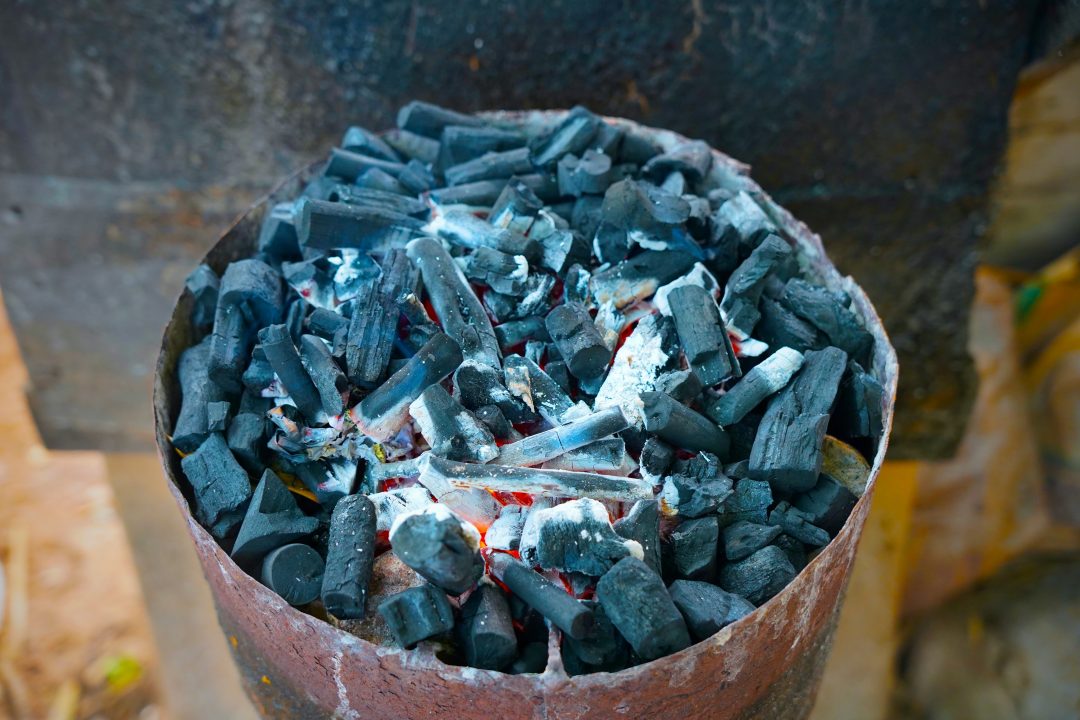
The effectiveness of activated carbon depends heavily on its pore structure, surface area and contact time. Many consumer-grade filters use coarse or low-volume carbon layers that are insufficient for removing persistent contaminants. Research shows that only high-surface-area microporous carbon (PAC or high-grade GAC) can reliably adsorb PFAS and pharmaceutical residues [US EPA, “Drinking Water Treatability Database – PFAS,”].
Why many filters achieve almost no PFAS reduction
Low-quality cartridges often contain a thin carbon coating with minimal residence time. PFAS require extended interaction with the carbon surface to be captured. Short-chain PFAS, such as PFBA and PFBS, are especially difficult to remove with low-density carbon media, frequently passing through almost unaffected [Water Research Foundation, “GAC Adsorption of PFAS,”]. The same applies to pharmaceuticals like carbamazepine, diclofenac and metoprolol — compounds that need fine microporous carbon to bind effectively.
Contact time is the real performance driver
Adsorption does not occur instantly. Effective PFAS removal requires sufficient EBCT (Empty Bed Contact Time). High-quality filtration systems provide 2–4 minutes of EBCT, while pitcher filters typically offer 2–5 seconds. NSF testing identifies insufficient EBCT as the primary reason for poor PFAS reduction rates [NSF International, “PFAS Reduction Requirements,”].
GAC vs. CTO vs. PAC — why structure matters
• GAC (granular carbon): strong capacity, effective for hydrophobic PFAS
• CTO blocks: dense structure, ideal for chlorine by-products
• PAC (powdered carbon): maximum surface area, superior for pharmaceuticals and micropollutants
Filters that rely on a single weak carbon structure cannot handle the full range of modern contaminants.
Where Klar2O outperforms conventional carbon filters
Klar2O uses high-surface-area activated carbon combined with additional adsorbent stages designed for polar PFAS and pharmaceutical residues. This multi-layer approach significantly increases retention — especially for chemicals that bypass most pitcher filters or small cartridges.
Real purification requires more than “some activated carbon.”
It requires the right carbon, in the right pore size range, with the right contact time.
Learn more at klar2o.com.