Biofilms in drinking water – why clean water doesn’t always stay clean
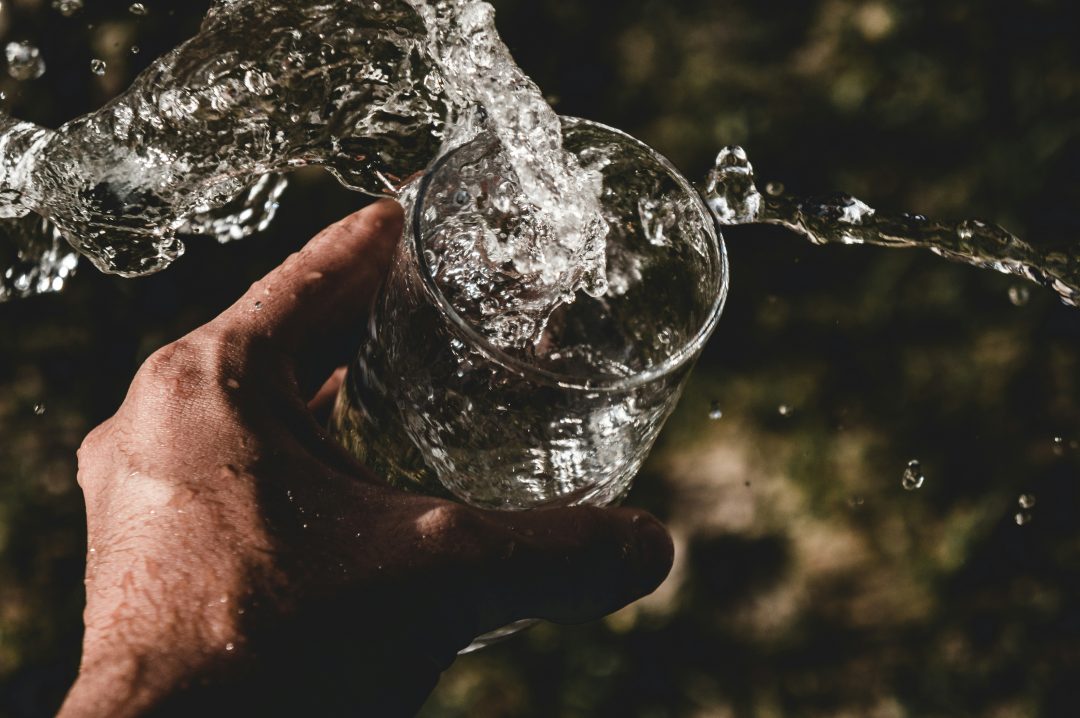
Clean drinking water is essential for health. In many countries, tap water leaves the treatment plant in excellent condition. However, this does not guarantee that the water remains hygienically stable once it reaches the home. One of the most overlooked reasons for this is the formation of biofilms inside household plumbing systems. What are biofilms? […]
What Happens When Filtration Is Placed After the Problem — Not Before It
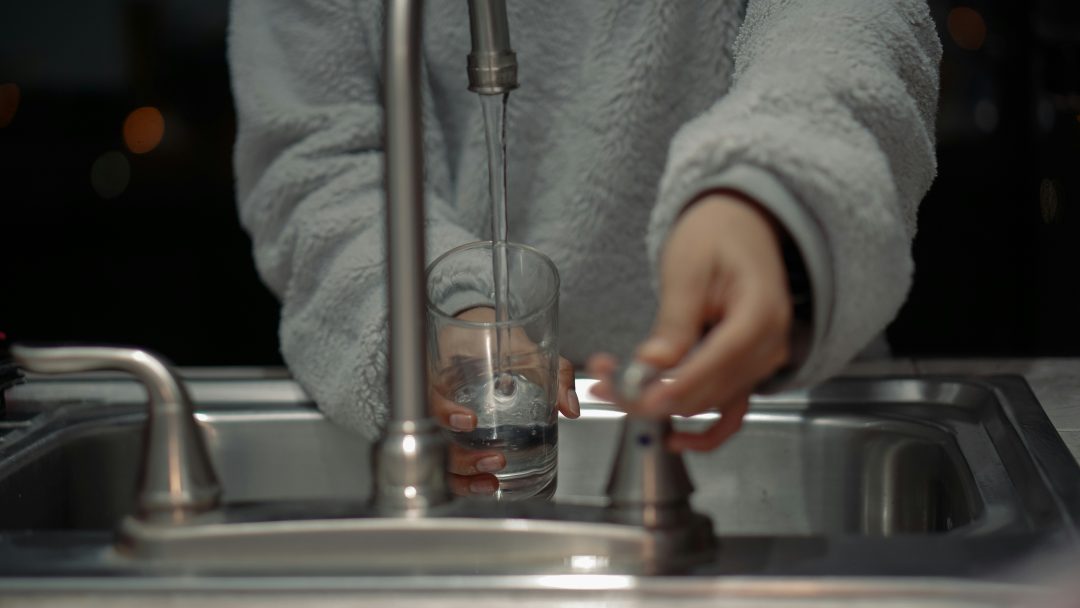
Water filtration is often added as a final step — under the sink, on the countertop, or directly at the tap. While point-of-use systems can improve drinking water quality, they are frequently installed after exposure has already occurred. This distinction matters more than most people realize. Filtration Location Defines Exposure, Not Just Water Quality Where […]
The Illusion of “Certified Safe”: What Water Certifications Do — and Don’t — Cover

When consumers see terms like certified, approved, or compliant in relation to drinking water, they tend to associate them with safety. While certifications play an important role in public health, they are often misunderstood. Certified safe does not mean biologically irrelevant, and compliance does not equate to zero exposure. What Water Certifications Are Designed to […]
Total Cost of Ownership: Filter Systems vs. Bottled Water Over 10 Years
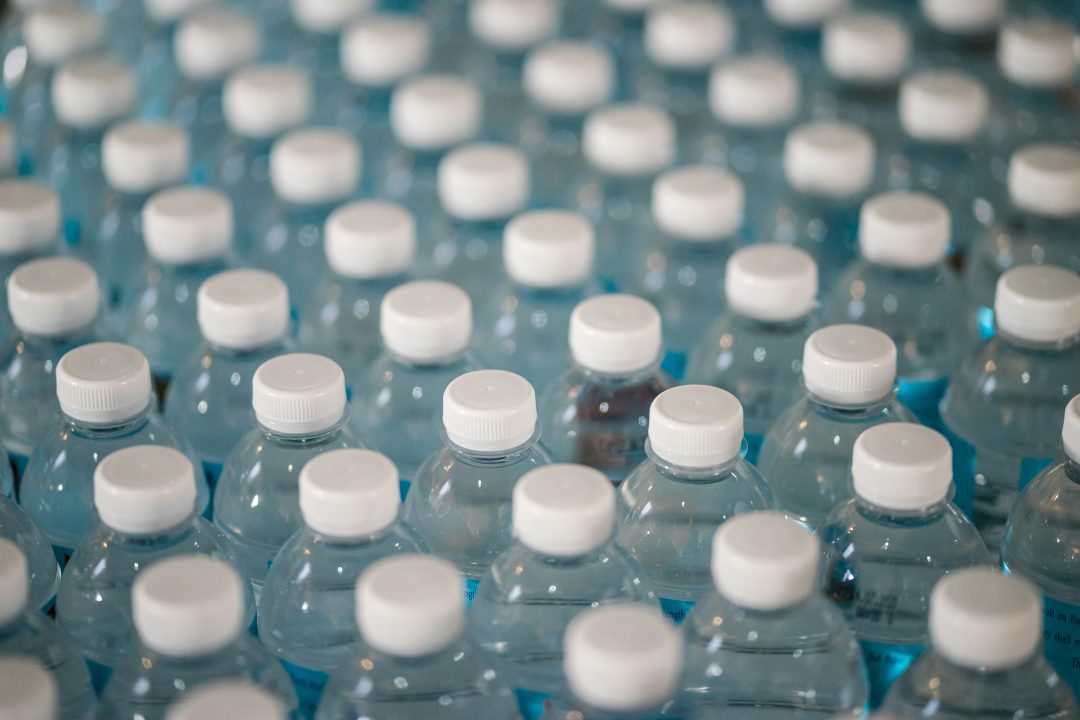
When people compare bottled water and filtration systems, the focus is often on price per unit: a bottle, a cartridge, a monthly subscription. What’s rarely considered is the total cost of ownership (TCO) — the real cost accumulated over years of daily use. Over a 10-year period, the difference is not marginal. It is structural. […]
Why Testing Methods Matter: Not All “Microplastic Tests” Measure the Same Thing
Microplastics are increasingly detected in drinking water, bottled water, and food. As a result, more products, filters, and studies now claim to be “tested for microplastics.” What is rarely explained is a critical fact: not all microplastic tests measure the same thing. The method determines what you see — and what you miss. There Is […]
Microplastics vs. Nanoplastics: Why Size Changes Everything
Plastic pollution in drinking water is often discussed as a single issue. In reality, microplastics and nanoplastics are fundamentally different threats. The difference is not just scale — it is biological behavior, mobility, and risk profile. What Is the Difference? This size difference determines how these particles interact with water, filtration systems, and the human […]
The PFAS Substitution Problem: Why “PFAS-Free” Does Not Mean Risk-Free
As public awareness of PFAS grows, “PFAS-free” has become a powerful label. It suggests safety, responsibility, and progress. But in reality, PFAS-free does not automatically mean harmless. In many cases, it simply means that one group of chemicals has been replaced by another—often far less studied. From Long-Chain to Short-Chain PFAS Regulatory pressure has led […]
Water Filters and Maintenance Reality: What Happens When Systems Are Not Serviced

Water filters are often purchased as a one-time solution: install, forget, trust. In reality, filtration systems are not passive devices. Without proper maintenance, even the best filter can lose effectiveness — or become a source of new problems. What happens when filters are not serviced is rarely discussed, but critical for long-term water quality. Filtration […]
Under-Sink vs. Countertop Filters: The Hidden Trade-Offs Nobody Mentions
When choosing a water filter, the decision often comes down to under-sink or countertop systems. Most comparisons focus on convenience and price. What’s rarely discussed are the technical and practical trade-offs that actually determine long-term performance, water quality, and user satisfaction. The Convenience Argument — and Its Limits Countertop filters are popular because they are […]
Why Stainless Steel Matters in Drinking Water Systems (and When It Doesn’t)
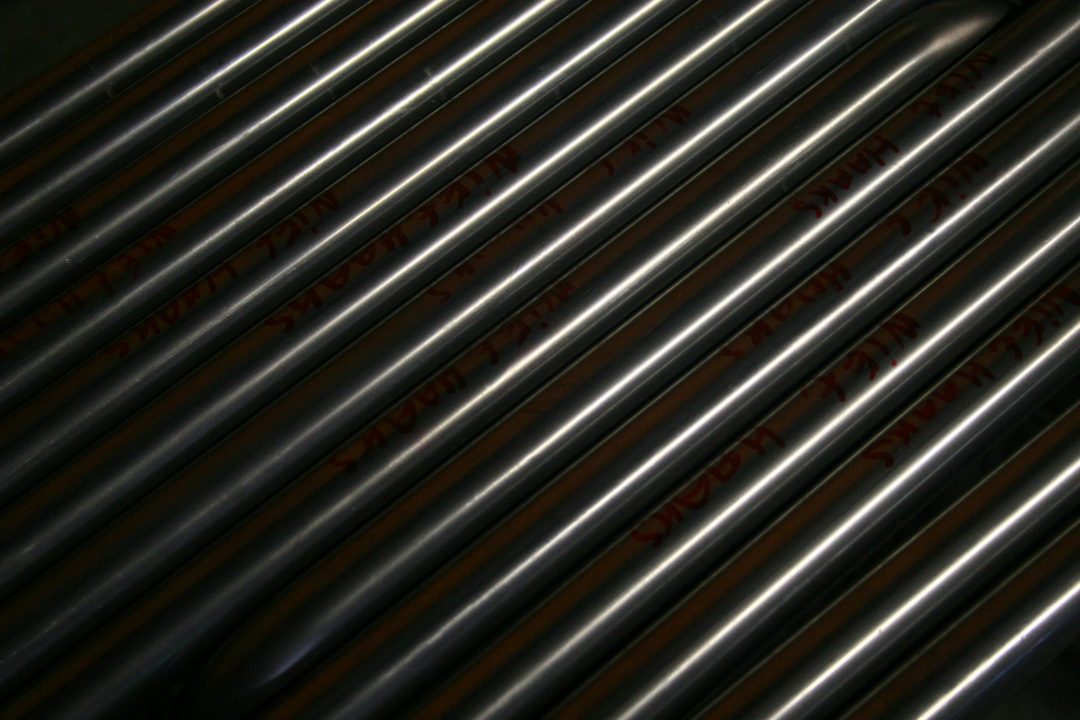
Material choice in drinking water systems is often reduced to one simple claim: stainless steel is better. While stainless steel does offer important advantages, it is not automatically superior in every application. Understanding when it matters—and when it doesn’t—is key to making informed decisions about water quality. Why Materials Matter in the First Place Drinking […]