Why the Future of Water Filtration May Be Circular Instead of Disposable
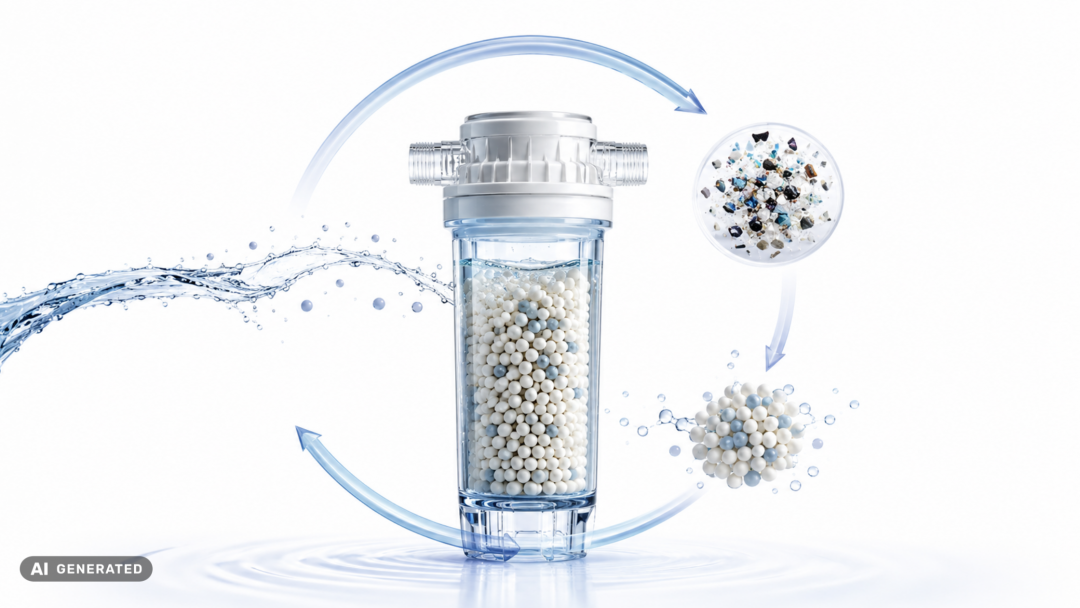
Water filters remove contaminants but also create spent media. Discover how regeneration, reusable filter materials and closed material loops could shift water treatment from disposable cartridges toward a circular model.
Where Do Microplastics in Drinking Water Actually Come From?
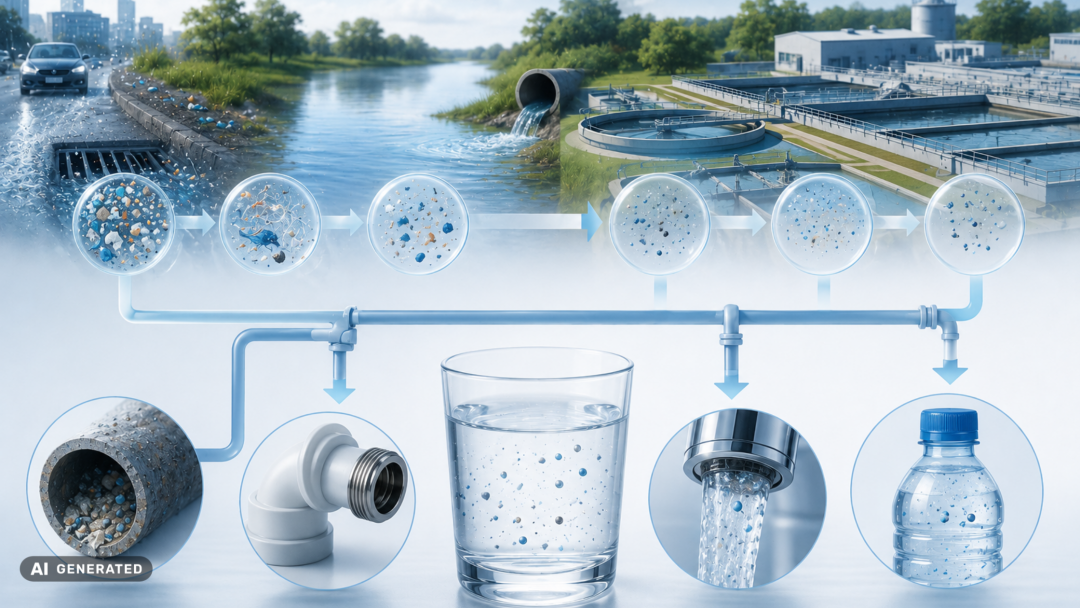
Microplastics can enter drinking water at several points. Explore the evidence for runoff, wastewater, treatment, distribution infrastructure, bottles and caps — and why identifying the source matters.
Adsorption vs. Mechanical Filtration: Two Different Ways to Clean Water
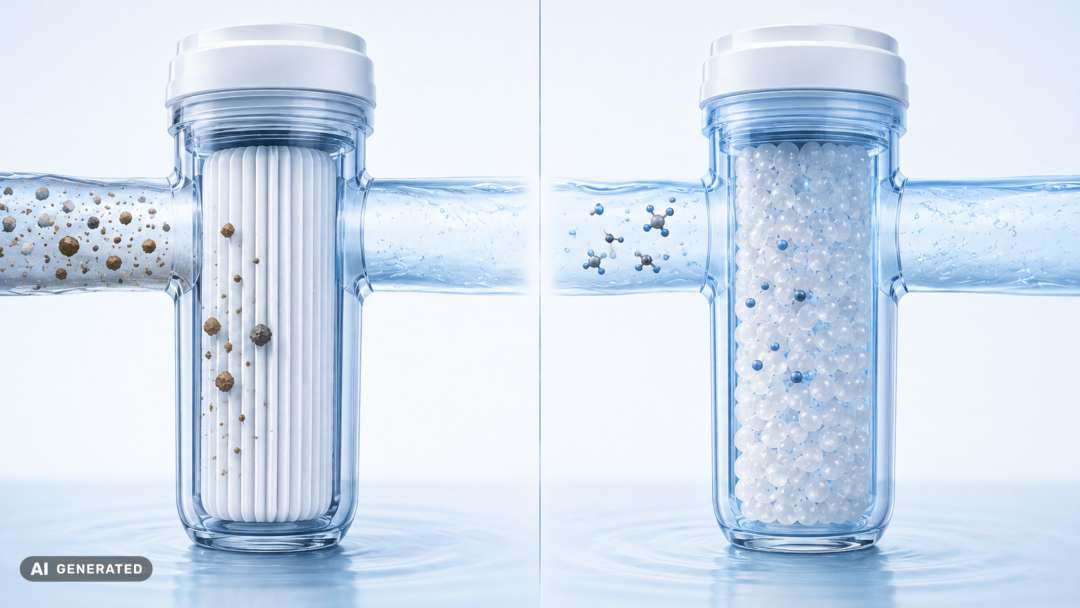
Not every water filter works by blocking particles. Learn how mechanical filtration differs from adsorption, why pore size is only part of the story and how engineered surfaces open new approaches to water treatment.
Why pH Matters in Drinking Water — Even Though It Is Not a Contaminant
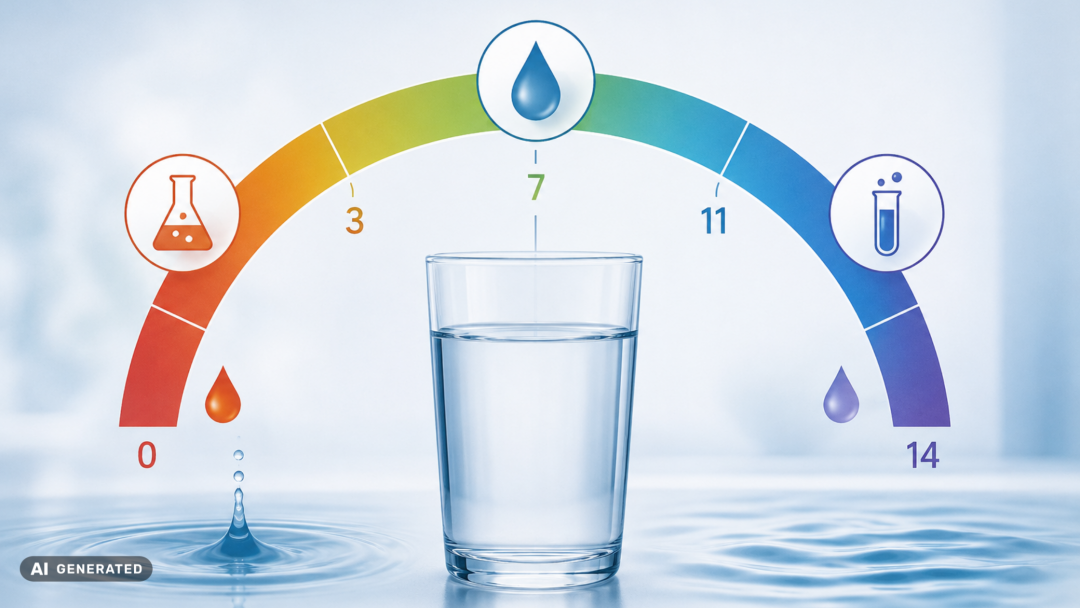
Drinking water does not need to have a pH of exactly 7. Learn what pH measures, why Germany allows 6.5–9.5 and how pH influences corrosion, minerals and water treatment.
What Does “Trace Contaminant” Actually Mean in Drinking Water?
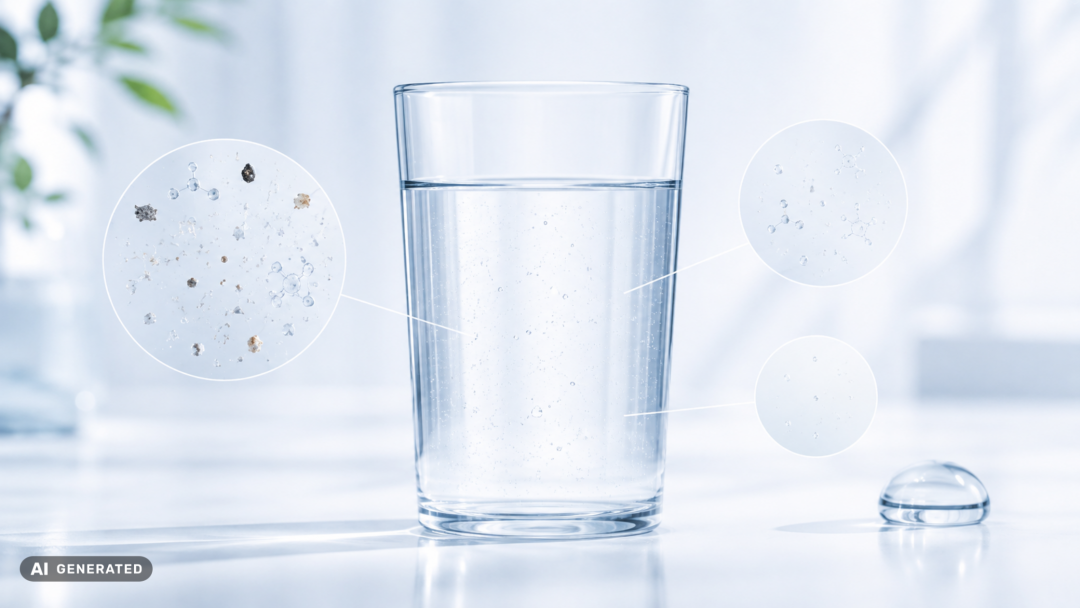
Modern laboratories can detect chemicals at microgram and nanogram levels. Learn how to read these tiny concentrations, what detection limits mean and why presence alone does not determine health relevance.
Why Clear Water Can Still Contain Dissolved Contaminants
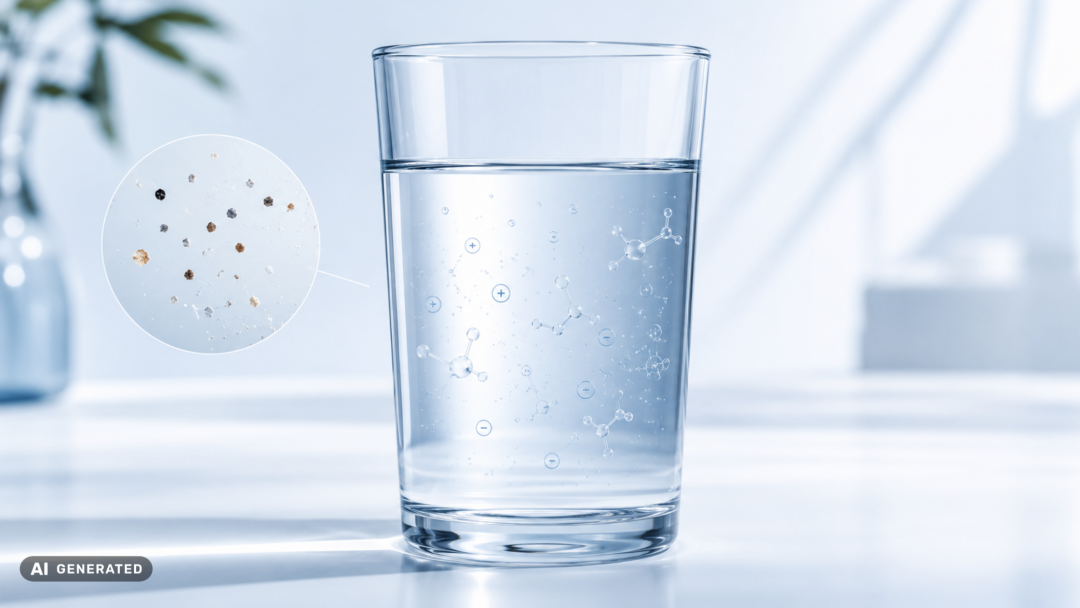
Water can look perfectly clear while containing dissolved minerals, ions and trace substances. Learn why visibility tells us little about water chemistry and why different contaminants require different treatment mechanisms.
Groundwater, Surface Water and Spring Water: Why the Source Matters
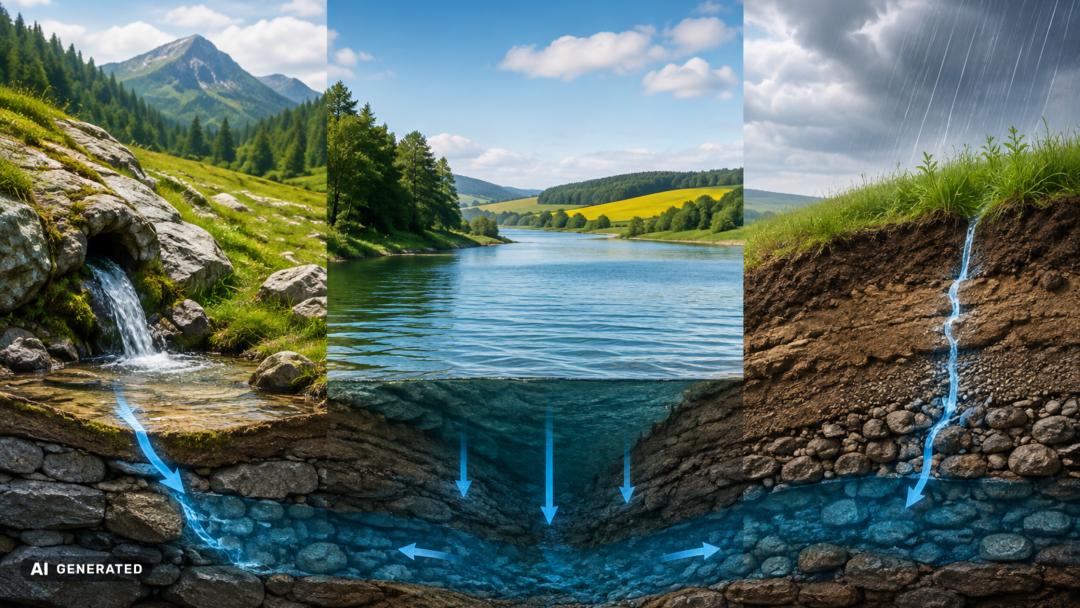
Where drinking water comes from matters. Discover how geology, rainfall, agriculture and surface contact shape groundwater, surface water and natural springs before treatment.
Hard Water vs. Soft Water: What the Difference Really Means
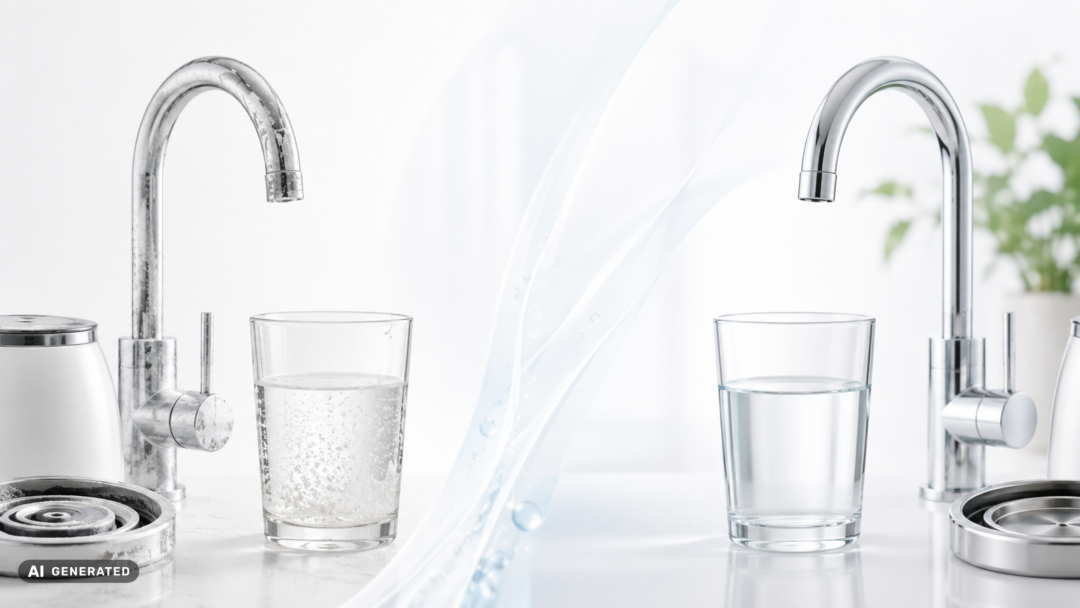
Hard water contains more calcium and magnesium, but that does not make it poor-quality water. Learn what hardness really means for limescale, taste, appliances and drinking water.
From Waterworks to Tap: What Actually Happens to Drinking Water Along the Way?
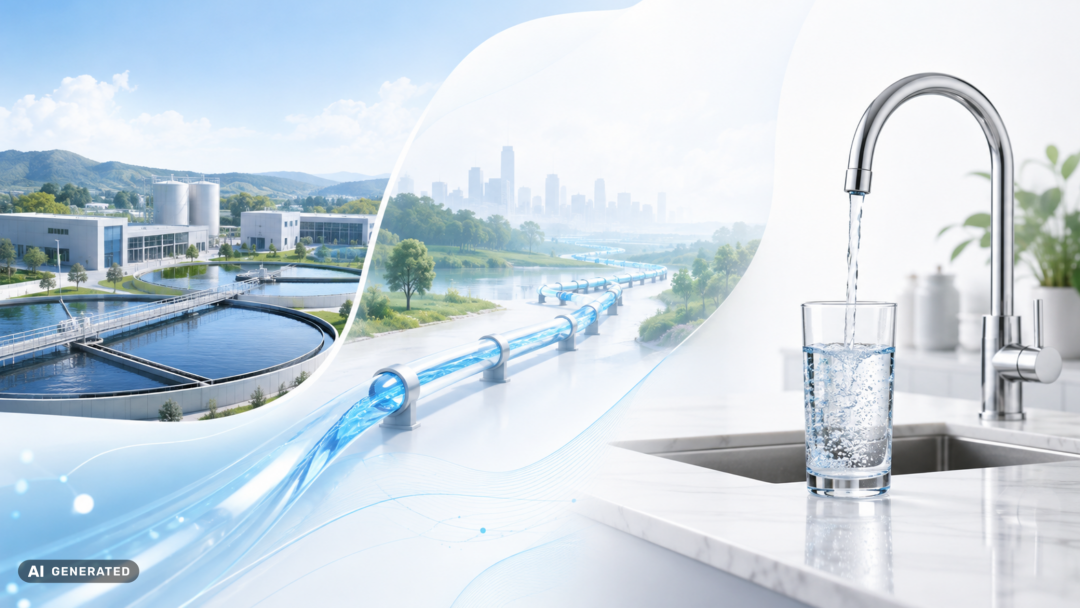
Water treatment does not end the story. Discover what happens as drinking water moves through storage, distribution networks and building plumbing before reaching the tap.
From Pilot to Industrial Scale: Klar2O and Ensinger Bring Smart Surface Filtration into Bottling Operations
A filtration technology can perform well in the laboratory. The more important question is whether it can operate reliably inside a real industrial process.
From late 2025 through April 2026, Klar2O and Ensinger Mineral-Heilquellen conducted a six-month pilot project integrating Klar2O filtration media into the process-water stream used for bottle cleaning at an Ensinger bottling facility.