Waterborne diseases continue to pose a major health challenge worldwide, especially in areas where sanitation infrastructure is lacking or inadequate. These diseases are caused by harmful microorganisms such as bacteria, viruses, and parasites, which are transmitted through contaminated water. In many regions, these microorganisms enter water systems through human waste, agricultural runoff, or environmental contamination, making the water unsafe to drink or use. Addressing this issue requires a deeper understanding of how microorganisms spread and how we can both prevent and treat waterborne diseases effectively.
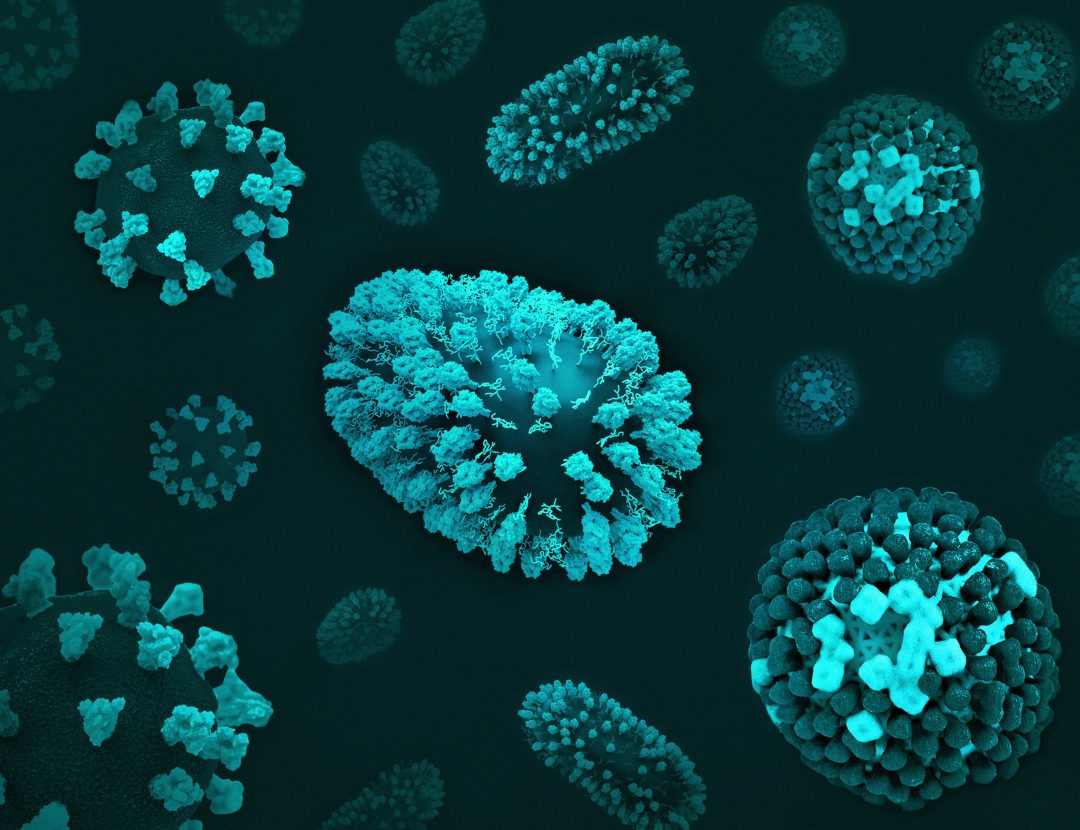
Waterborne pathogens are typically spread via the fecal-oral route, meaning they often enter water sources through human waste. Common pathogens like Escherichia coli (E. coli), Vibrio cholerae (which causes cholera), and Salmonella cause severe gastrointestinal infections, while viruses such as rotavirus and norovirus can lead to vomiting, diarrhea, and dehydration. Additionally, protozoa such as Giardia and Cryptosporidium are increasingly responsible for waterborne illnesses, especially in areas with poor water treatment. The challenge in dealing with these microorganisms lies in their persistence and resistance to traditional water treatment methods, making it crucial to develop advanced strategies for their removal.
One of the most effective ways to prevent waterborne diseases is through proper water filtration. Technologies like reverse osmosis, activated carbon, and other advanced filtration systems are crucial in removing microorganisms from water. Klar2O’s filtration technology, for example, utilizes Smart-Surface technology to precisely target and eliminate harmful pathogens like bacteria, viruses, and parasites. This innovative approach enhances the ability to remove contaminants, ensuring that water is not only clear but also free of dangerous microorganisms.
Aside from water filtration, proper sanitation practices are critical in controlling the spread of waterborne diseases. In regions where sanitation systems are inadequate, the risk of contamination increases. Ensuring safe disposal of human waste, maintaining clean water storage facilities, and promoting regular handwashing are vital measures that can significantly reduce the risk of infection. Chlorination, another standard method, remains effective at disinfecting water by killing harmful bacteria and viruses. However, it’s important to use it in the correct amounts to avoid the potential health risks associated with excessive chlorine exposure.
In the event of an infection, rapid treatment is essential to prevent further spread and minimize health risks. For many waterborne illnesses, dehydration is a major concern, particularly with diseases caused by viral or bacterial pathogens. Oral rehydration therapy (ORT), which involves the consumption of electrolyte solutions, is often the first line of treatment. In more severe cases, antibiotics or antiprotozoal medications may be required to address bacterial or parasitic infections. Supportive care, including intravenous fluids, may be necessary for vulnerable populations such as children, the elderly, or those with weakened immune systems.
Klar2O’s advanced filtration systems play a significant role in the treatment and prevention of waterborne diseases. By removing harmful microorganisms from the water before they can cause harm, Klar2O helps to ensure that water is safe for consumption. This is especially important in areas where access to clean water is limited, and the risk of contamination is high. With its ability to eliminate over 99% of microplastics, nanoplastics, and PFAS (per- and polyfluoroalkyl substances), Klar2O’s filtration technology represents a breakthrough in the fight against waterborne diseases.
In conclusion, waterborne diseases remain a pressing health issue worldwide. Prevention efforts, such as improved water filtration, better sanitation practices, and chlorination, are essential in reducing the risks associated with these diseases. For those affected by waterborne infections, timely treatment with rehydration therapy and medications can significantly improve outcomes. Technologies like Klar2O’s advanced filtration provide an additional layer of protection, ensuring that water remains safe and free of harmful microorganisms, contributing to a healthier and safer future for all.