When people compare bottled water and filtration systems, the focus is often on price per unit: a bottle, a cartridge, a monthly subscription. What’s rarely considered is the total cost of ownership (TCO) — the real cost accumulated over years of daily use.
Over a 10-year period, the difference is not marginal. It is structural.
The Hidden Cost of Bottled Water
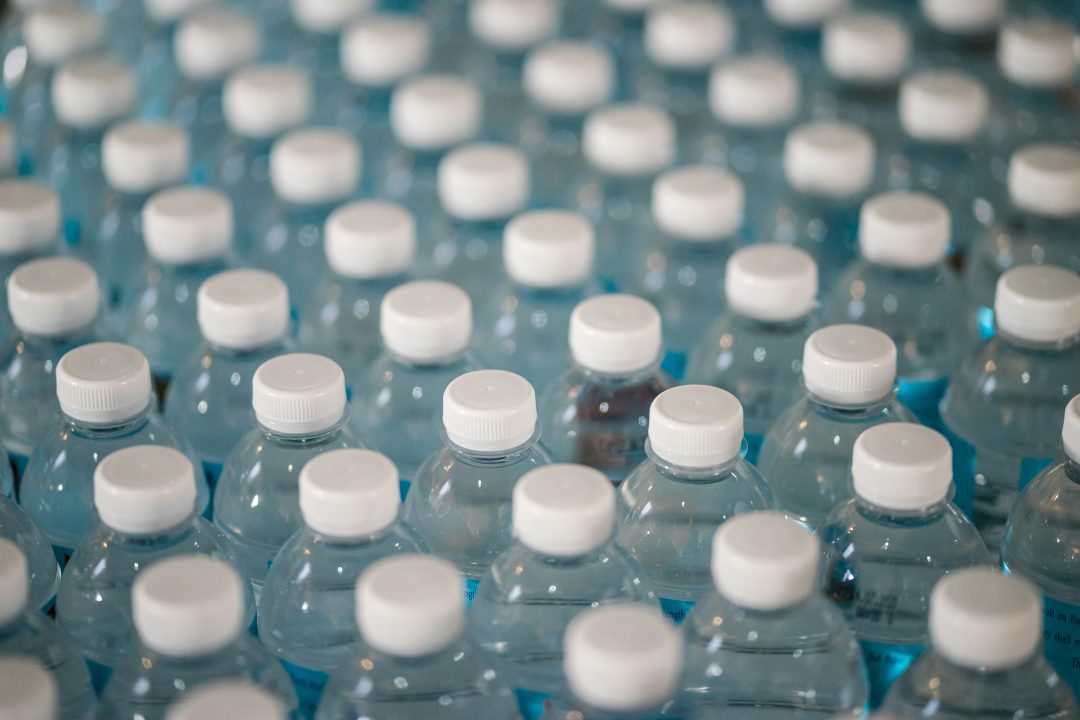
Bottled water appears inexpensive on a day-to-day basis. A few euros per pack feels manageable. Over time, this adds up.
For a household consuming 2–3 liters per person per day, bottled water costs include:
- continuous purchases
- transport and storage
- price increases over time
- disposal or recycling fees
Over 10 years, bottled water typically reaches several thousand euros, even without premium brands. The cost grows linearly — every day adds another expense.
Filter Systems: High Entry, Low Continuity Cost
Water filtration systems reverse this cost profile. The initial investment is higher, but ongoing costs are limited to:
- periodic filter replacement
- minimal energy or water loss (depending on system type)
Once installed, the system produces drinking water at a fraction of the per-liter cost of bottled alternatives. Over time, the average cost per liter continues to decrease.
Cost Stability vs. Cost Exposure
Bottled water pricing is exposed to:
- fuel and logistics costs
- packaging material prices
- supply chain disruptions
Filtration systems largely decouple water cost from these external variables. The primary input — tap water — remains one of the most stable utilities in most regions.
Beyond Money: Secondary Costs
Total cost is not purely financial. Bottled water introduces:
- plastic waste
- storage space requirements
- physical handling and transport effort
Filtration systems reduce logistical overhead and environmental burden while providing constant access to drinking water.
The 10-Year Perspective
When evaluated over a decade, bottled water is a recurring expense with no endpoint. A filtration system is an infrastructure investment.
One is consumption.
The other is ownership.
Clean water should not depend on how often you shop.
It should be part of your home.
Learn more at klar2o.com