
How Water Hardness Influences Chemical Equilibria and Scaling

Water hardness is a fundamental parameter of drinking water quality, defined primarily by the concentration of dissolved calcium and magnesium ions. These minerals influence not only taste but also chemical equilibria and the formation of scale within plumbing systems and appliances. Their behavior depends strongly on environmental and system-specific conditions. Composition and significance of water […]
Material migration at home – how plastics, seals, and hoses shape drinking water quality
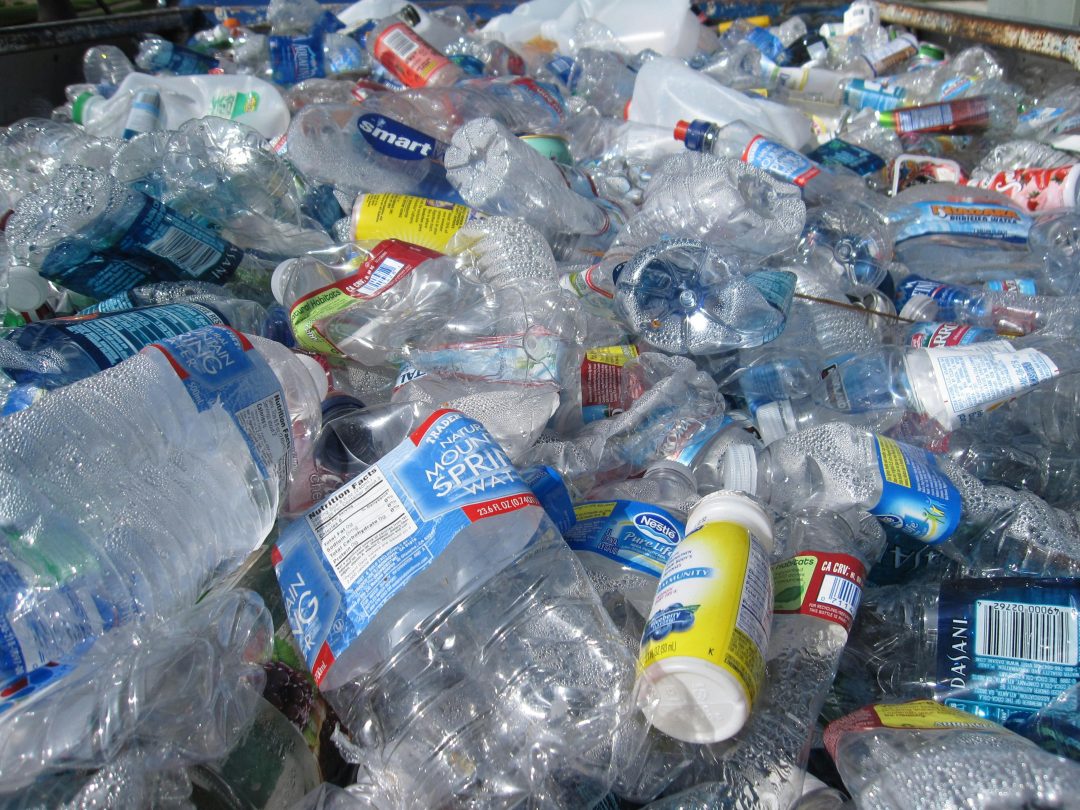
Drinking water is chemically active. Once it enters household plumbing, it interacts with the materials it contacts. Plastics, elastomers, seals, and flexible hoses can release trace substances into the water through a process known as material migration. This mechanism is a well-established contributor to water composition at the point of use. Material migration arises because […]
Biofilms in drinking water – why clean water doesn’t always stay clean
Clean drinking water is essential for health. In many countries, tap water leaves the treatment plant in excellent condition. However, this does not guarantee that the water remains hygienically stable once it reaches the home. One of the most overlooked reasons for this is the formation of biofilms inside household plumbing systems. What are biofilms? […]
Why Water Quality Varies Even Within the Same City

Most people assume that if drinking water comes from the same municipal supplier, it must be identical everywhere within a city. In reality, water quality can vary significantly from one neighborhood to another, and sometimes even from one street to the next. The reason is simple: water quality is not defined at the treatment plant. […]
Total Cost of Ownership: Filter Systems vs. Bottled Water Over 10 Years
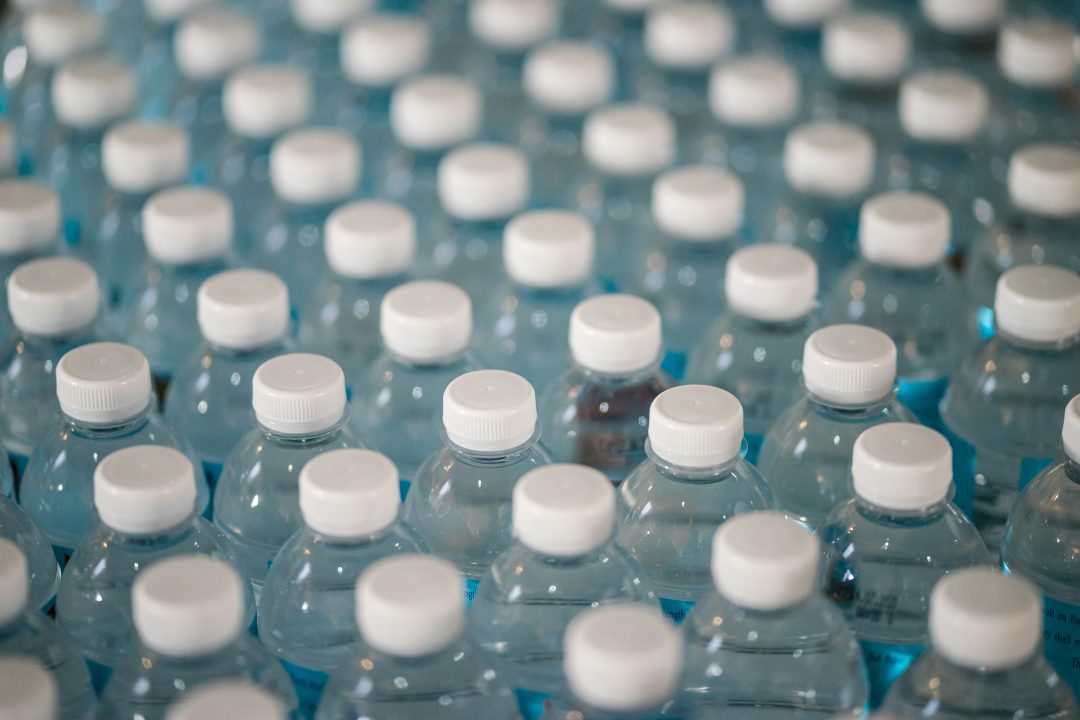
When people compare bottled water and filtration systems, the focus is often on price per unit: a bottle, a cartridge, a monthly subscription. What’s rarely considered is the total cost of ownership (TCO) — the real cost accumulated over years of daily use. Over a 10-year period, the difference is not marginal. It is structural. […]
Why Filter Lifetimes Are Marketing Numbers — and What Actually Determines Performance Loss
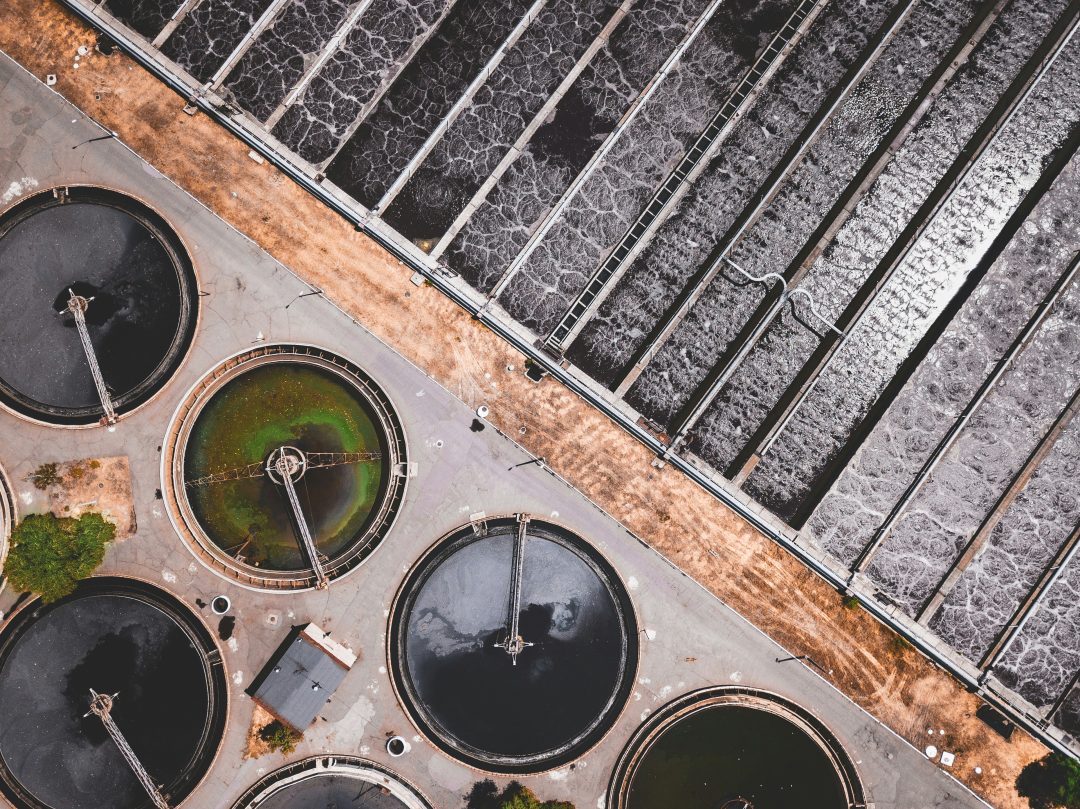
Most water filters are sold with impressive promises: 6 months, 12 months, 10,000 liters. These numbers feel precise and reassuring. In reality, filter lifetime is not a fixed value. It is a marketing simplification of a complex physical and chemical process. What truly matters is performance loss — and that is determined by conditions most […]
How Climate Change Intensifies Chemical and Plastic Pollution in Water Systems

A Warming Planet, a Toxic CycleClimate change doesn’t only melt glaciers — it magnifies water contamination. Rising temperatures, droughts, and floods accelerate the breakdown of plastics, releasing micro- and nanoplastic fragments into rivers and aquifers. According to Nature Climate Change (2024), extreme heat and UV radiation increase polymer degradation by over 60 %, while storm […]
From River to Brain — Tracking the Journey of Plastic Pollution
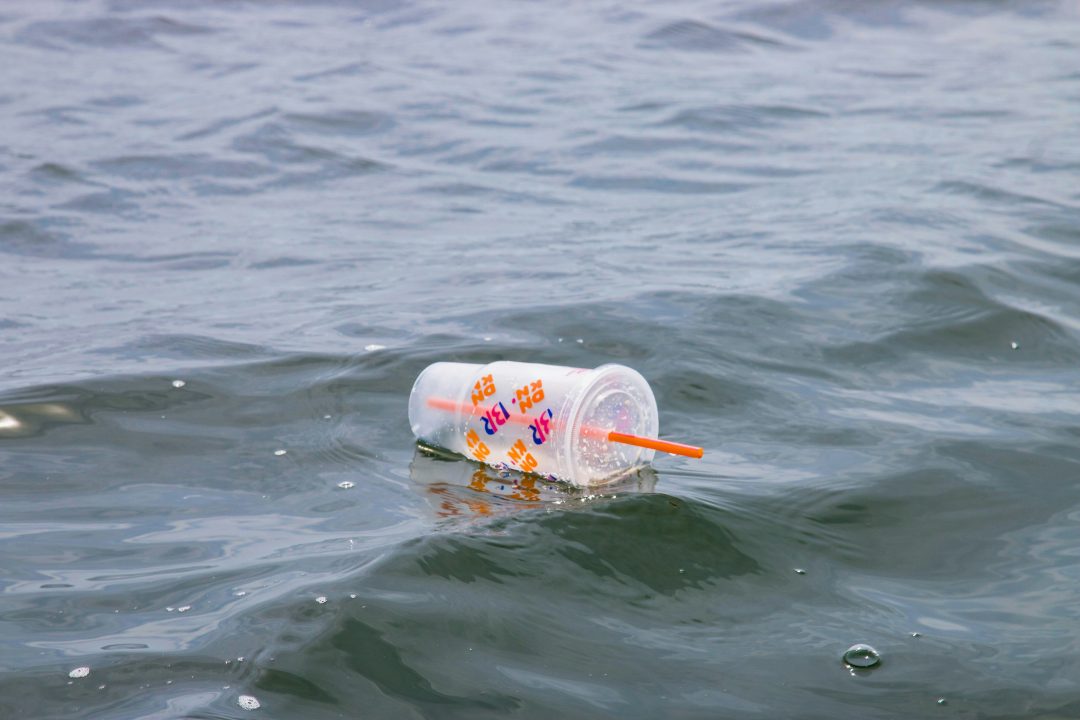
The Plastic Pathway Through the Planet — and the BodyEvery plastic fragment that enters a river begins a journey that doesn’t end in the ocean — it ends in us. Studies in Nature Geoscience (2024) reveal that micro- and nanoplastics migrate through river sediments into groundwater, drinking systems, and ultimately the bloodstream. Once circulating, these […]
Water, Immunity, and Inflammation — The Overlooked Link
Your Immune System Starts with What You DrinkThe human immune system depends on the body’s ability to maintain internal balance — a process directly influenced by water quality. When drinking water carries microplastics, PFAS, heavy metals, or chlorine byproducts, these compounds can trigger low-grade inflammation and disrupt immune regulation (Frontiers in Immunology, 2024).Microplastics, in particular, […]
Plastic in Our Organs – Where Do Microplastics End Up?

Traces of Plastic in Vital Organs Scientists have now detected microplastics in the liver, kidneys, lungs, and even the heart. A 2022 study from the University of Arizona examined post-mortem tissue samples and found microplastics in every organ tested. This suggests that plastic exposure is not just a temporary issue—these particles may accumulate in the body over time.