Hot water as a risk zone – how temperature reshapes drinking water quality

Hot water is associated with comfort, but from a water quality perspective it represents one of the most sensitive zones in household plumbing. Elevated temperatures accelerate chemical reactions, stimulate microbial activity, and intensify interactions between water and materials. Research and regulatory guidance consistently show that hot water systems require special attention. Temperature acts as a […]
Filtration is not binary – why retention and breakthrough define real performance
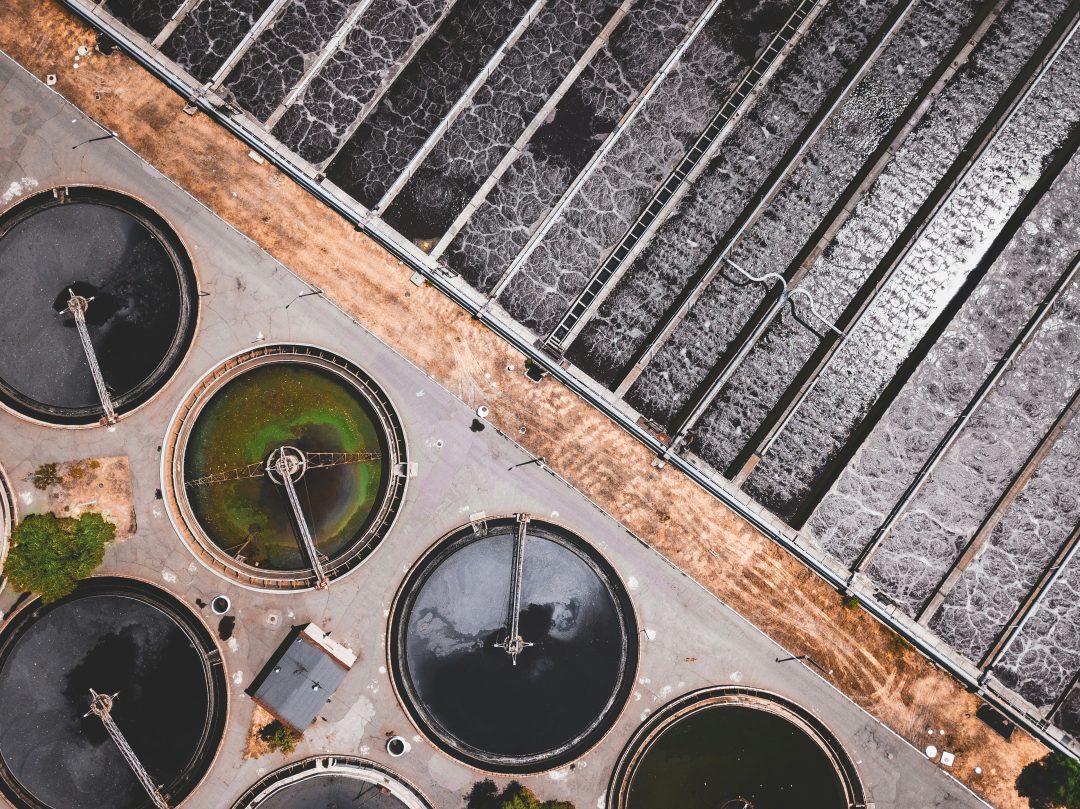
Filtration is often perceived as a binary outcome: a contaminant is either removed or it is not. From an engineering perspective, this assumption is incorrect. Filtration performance is gradual and time-dependent, shaped by media capacity, flow rate, contact time, and contaminant load. In water treatment science, filter performance is described using retention or removal efficiencies, […]
Material migration at home – how plastics, seals, and hoses shape drinking water quality
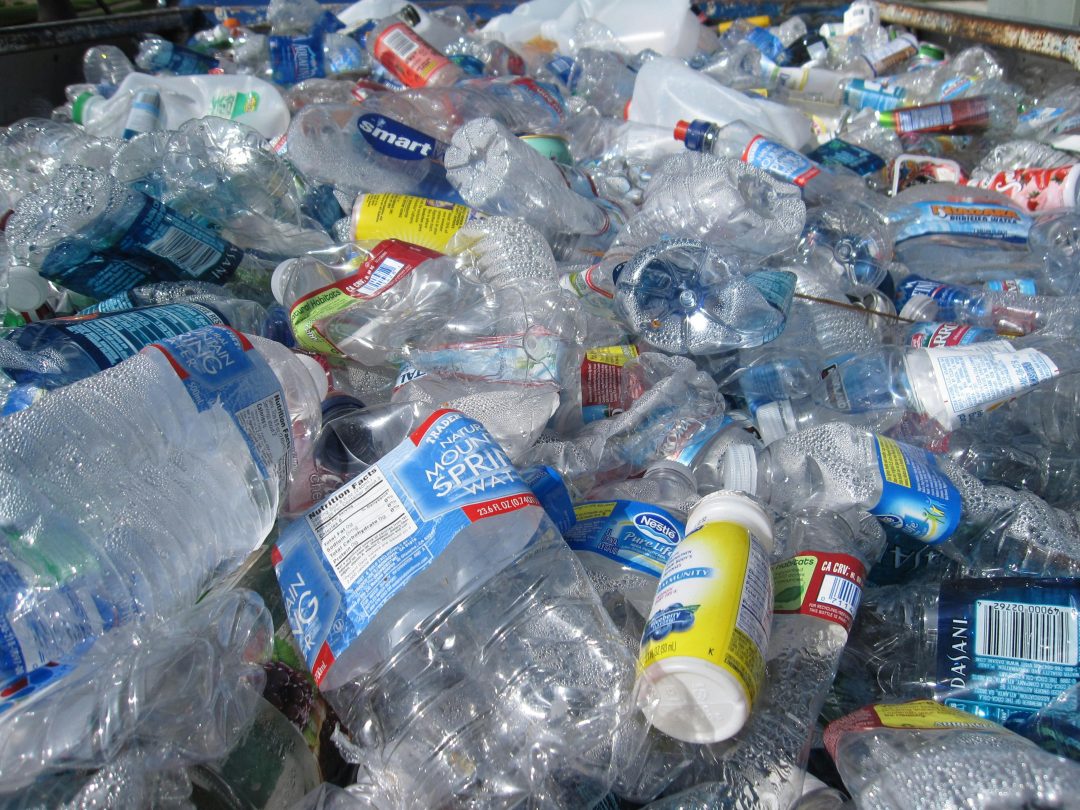
Drinking water is chemically active. Once it enters household plumbing, it interacts with the materials it contacts. Plastics, elastomers, seals, and flexible hoses can release trace substances into the water through a process known as material migration. This mechanism is a well-established contributor to water composition at the point of use. Material migration arises because […]
Regulatory limits are not zero risk – how safety margins shape drinking water standards
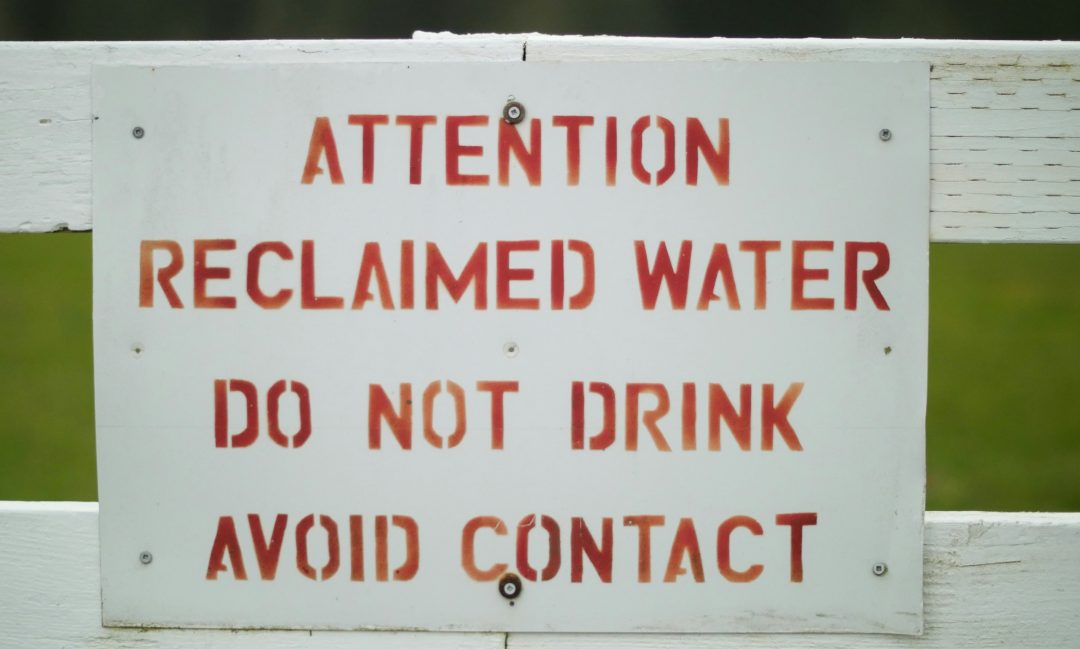
Drinking water limits are often perceived as strict boundaries between safe and unsafe. In reality, regulatory limits are not biological zero points. They are pragmatic thresholds designed to manage population-level risk using safety margins. Limit derivation typically starts with toxicological studies that identify doses at which no adverse effects are observed, such as NOAELs or […]
Stagnant water – how standing tap water changes quality before you drink it

In everyday life it’s normal for tap water to sit in pipes for hours or even days – overnight, during weekends, or when a building is unoccupied. What may seem harmless has measurable impacts on water quality. Research shows that water that doesn’t move undergoes chemical and microbiological change long before it reaches the faucet. […]
Biofilms in drinking water – why clean water doesn’t always stay clean
Clean drinking water is essential for health. In many countries, tap water leaves the treatment plant in excellent condition. However, this does not guarantee that the water remains hygienically stable once it reaches the home. One of the most overlooked reasons for this is the formation of biofilms inside household plumbing systems. What are biofilms? […]
Why Long Filter Lifetimes Often Mean Short Protection
Long filter lifetimes are frequently marketed as a sign of quality. Twelve months, two years, or even “maintenance-free” operation sounds reassuring. In reality, extended lifetimes often indicate compromise, not superior protection. Filtration performance does not degrade suddenly — it fades gradually. Filter Media Do Not Fail All at Once Most filter materials have a finite […]
The Difference Between Particle Removal and Chemical Reduction
Water filtration is often discussed as if all contaminants behave the same way. In practice, there is a fundamental difference between removing particles and reducing dissolved chemicals. Confusing these two processes leads to false expectations — and to systems that appear effective while leaving key risks untouched. Particles and Molecules Behave Differently Particles such as […]
What Happens When Filtration Is Placed After the Problem — Not Before It
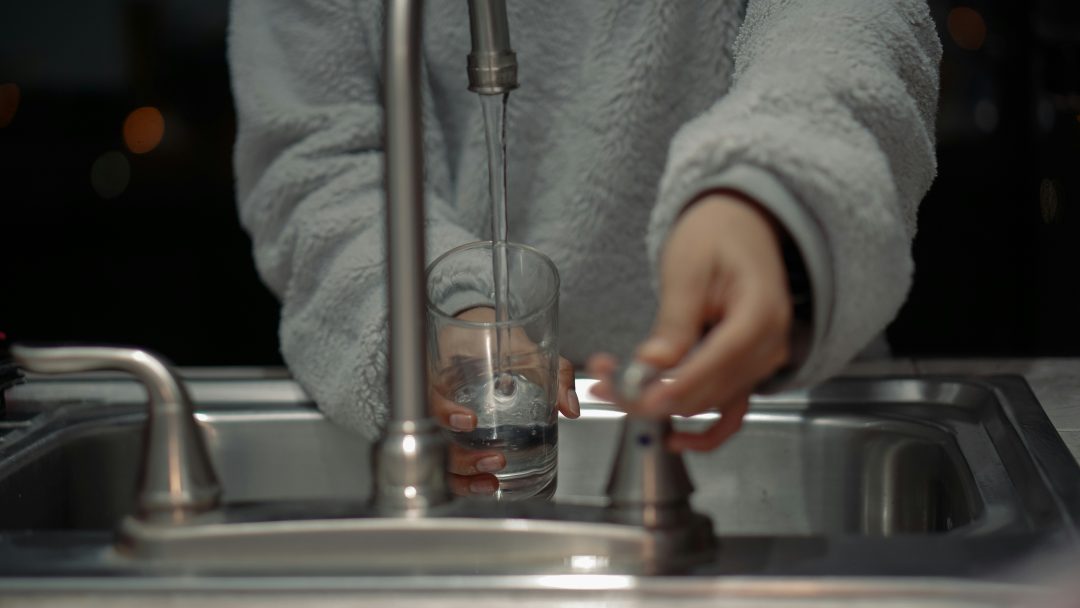
Water filtration is often added as a final step — under the sink, on the countertop, or directly at the tap. While point-of-use systems can improve drinking water quality, they are frequently installed after exposure has already occurred. This distinction matters more than most people realize. Filtration Location Defines Exposure, Not Just Water Quality Where […]
Why Fast Flow Is the Enemy of Effective Filtration
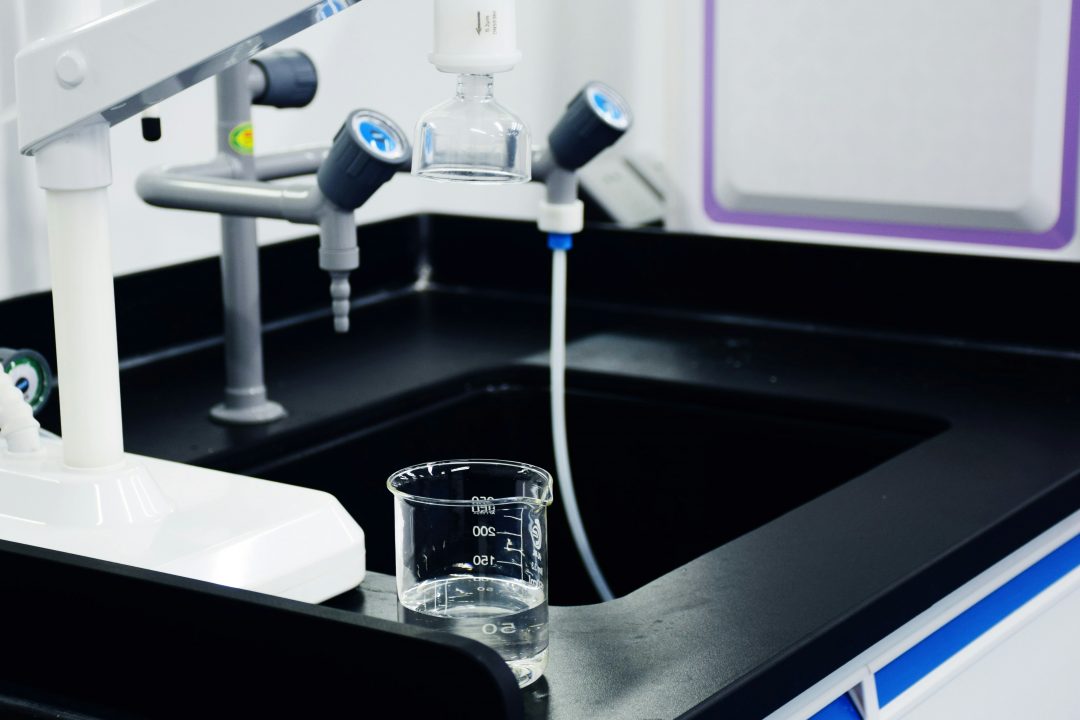
When choosing a water filter, flow rate is often treated as a selling point. Faster is assumed to be better. In filtration science, the opposite is frequently true. Excessive flow reduces effectiveness, regardless of how advanced the filter media appears on paper. Filtration Is a Time-Dependent Process Most filtration mechanisms rely on interaction time. Adsorption, […]