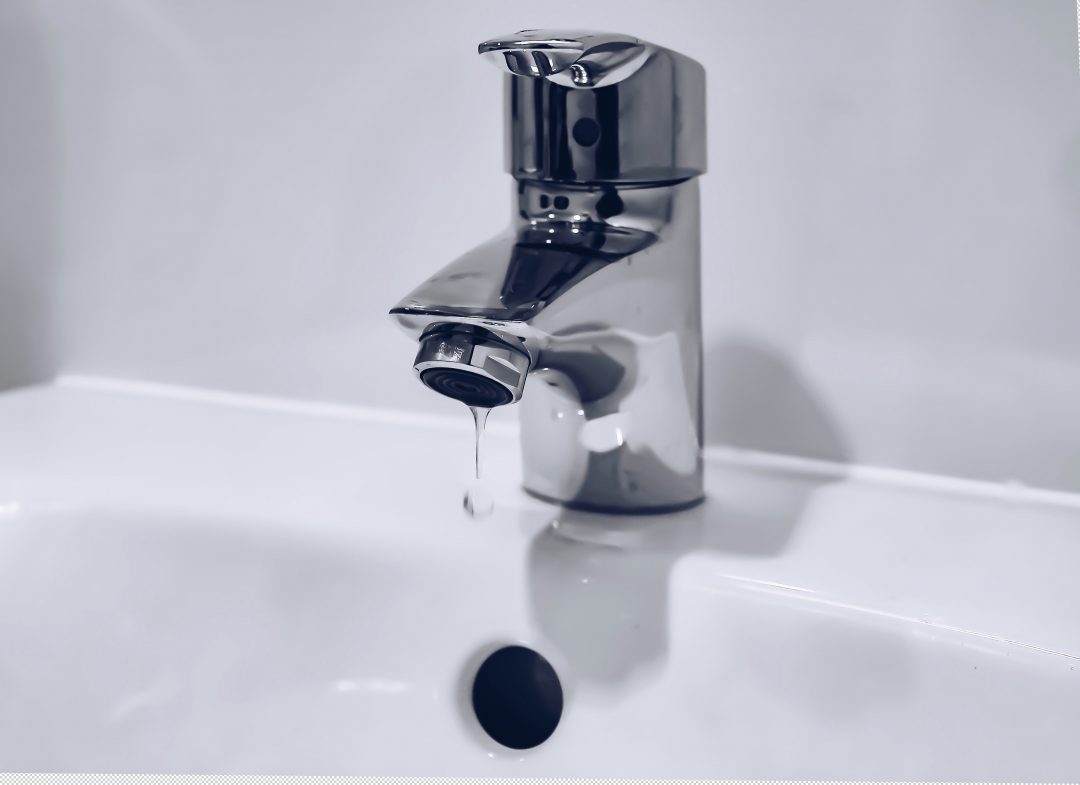
In everyday life it’s normal for tap water to sit in pipes for hours or even days – overnight, during weekends, or when a building is unoccupied. What may seem harmless has measurable impacts on water quality. Research shows that water that doesn’t move undergoes chemical and microbiological change long before it reaches the faucet.
A key aspect of stagnation is that the microbial community inside the water changes rapidly. In field studies, bacterial cell counts in tap water increased dramatically after several days of stagnation, and the composition of the community shifted compared to the water in the distribution network . In another controlled study, overnight stagnation led to significant increases in live cell counts and metabolic indicators such as ATP, suggesting active microbial growth during the period of non-use .
These microbiological changes are not just academic. Stagnation also affects chemical water parameters. Experiments on common plumbing materials show that levels of metals such as copper and lead can rise with stagnation time. In one study, metal concentrations increased rapidly within the first 20–24 hours of standing water in pipes, highlighting how stagnation duration directly influences material release into water.
Stagnation also interacts with temperature. Research using a full-scale domestic plumbing system demonstrated that both stagnation time and temperature affect the water’s microbial quality, with different taps showing distinct biofilm and microbial profiles after periods of stagnation. These changes occur even when the source water entering the home meets stringent quality standards.
Why this matters for consumers is clear: Standard drinking water tests often focus on the distribution network, not on tap water after periods of non-use. Yet the conditions where water sits longest – kitchen sinks, guest bathrooms, rarely used outlets – are exactly where changes can be most pronounced before water is drawn.
This doesn’t imply that tap water is unsafe by default. Rather, it highlights that stagnation is a dynamic factor that alters water quality in ways not always visible to the consumer. Simple practices like flushing taps briefly after periods of non-use can reduce elevated microbial indicators and return water conditions closer to typical network values .
Stagnant water isn’t an abstract risk. It’s an everyday reality that shows: drinking water is not static, but a system that changes over time – especially when it stands still.
Drinking water matters not only for where it comes from,
but for how long it sits before you use it.
Learn more at klar2o.com