Household Water Filters After Installation: Why the First Weeks Matter
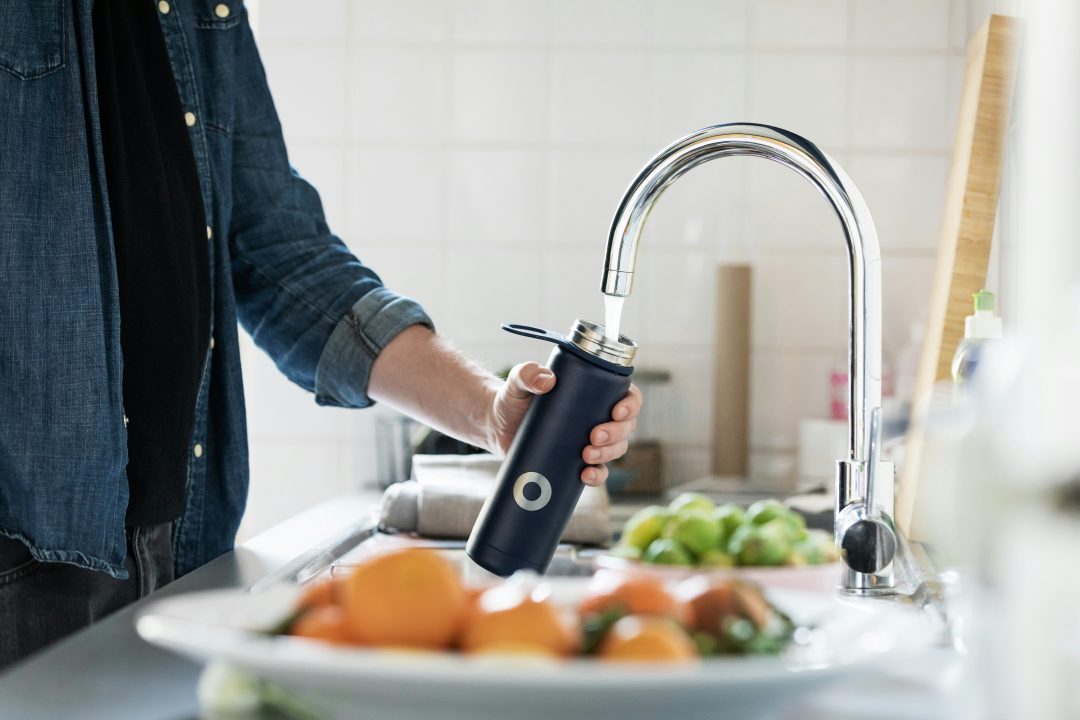
Household water filters are often treated as finished once they are installed. The unit is connected, water flows through it, and the assumption is that filtration performance begins immediately at a stable level. In practice, the first weeks after installation are an important operating phase that can determine how well the system performs over time. […]
Filter Certification Explained: Why NSF, DIN, and Laboratory Testing Matter More Than Marketing Claims
Water filters are often sold with strong claims. They may promise cleaner taste, fewer contaminants, safer drinking water, or advanced protection against specific substances. Some of these claims are valid, but others are too broad, poorly explained, or not supported by transparent test data. That is why filter certification matters. A drinking-water filter should not […]
Earthy or Musty Tap Water: What Geosmin and MIB Say About Source Water Quality
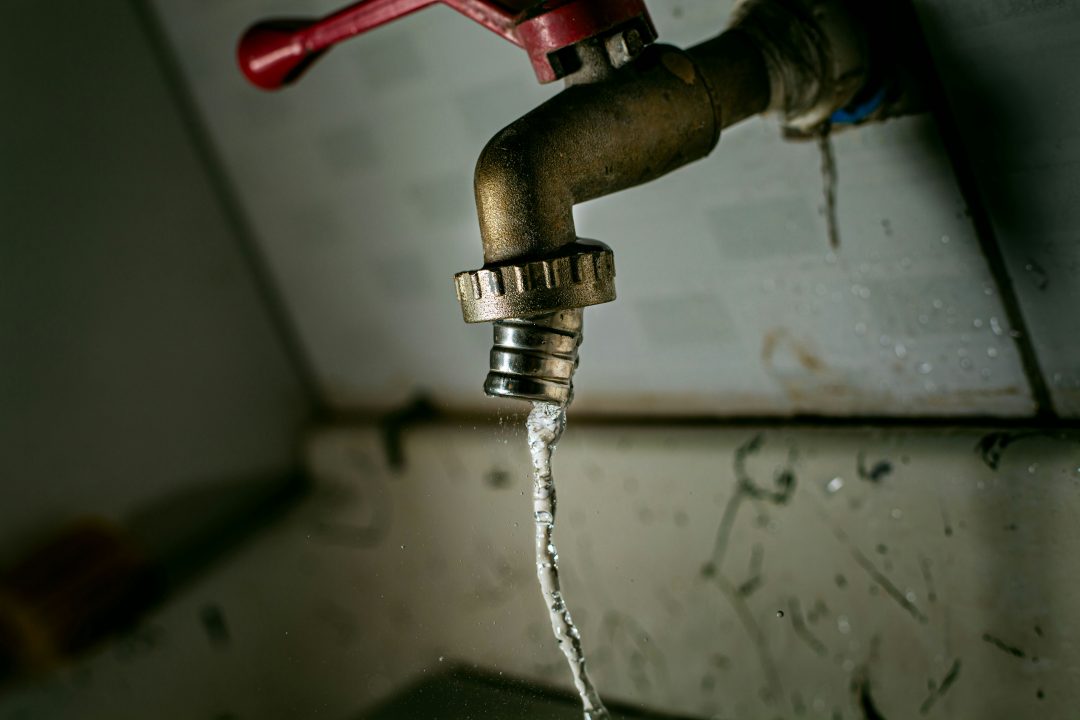
Tap water should taste clean and neutral. When it starts to smell earthy, musty, muddy, or woody, many people assume the water is contaminated or unsafe. In many cases, the cause is not sewage or dirt, but natural taste-and-odor compounds called geosmin and MIB. MIB stands for 2-methylisoborneol. Geosmin and MIB are produced by certain […]
Pesticides in Drinking Water: How Agriculture Can Reach Your Tap

Agriculture depends on pesticides to control weeds, insects, fungi, and other pests. These substances help protect crop yield, but they do not always stay exactly where they are applied. Rainfall, irrigation, soil type, drainage, and groundwater movement can carry pesticide residues away from fields and into nearby water systems. This is how agriculture can affect […]
Disinfection By-Products in Tap Water: The Hidden Side Effect of Water Treatment
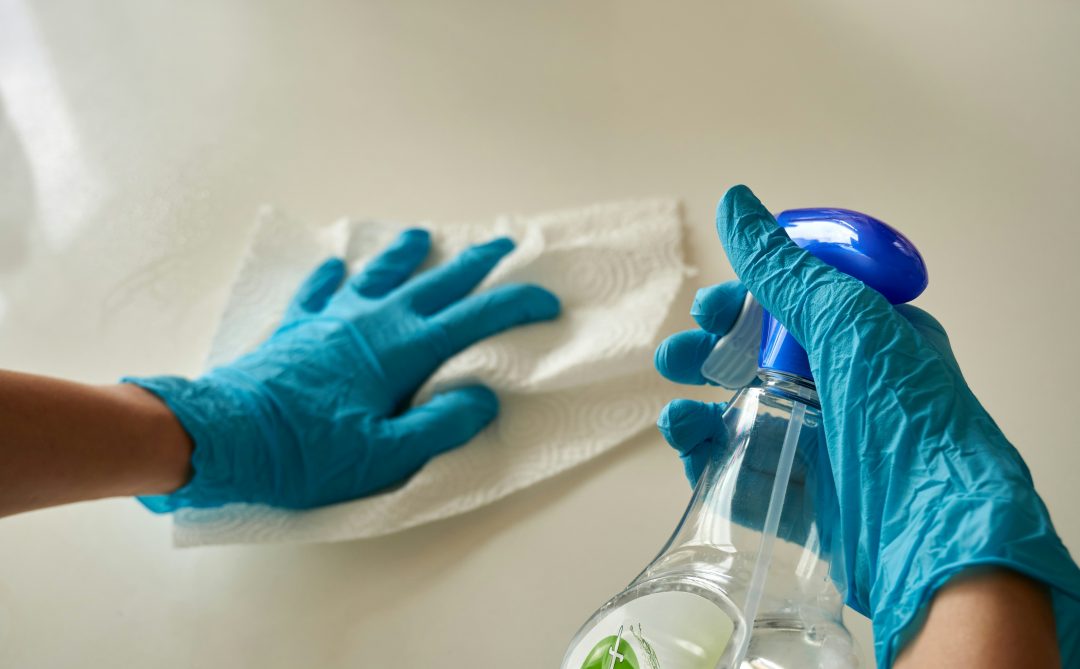
Disinfection is one of the most important steps in drinking-water treatment. It helps control bacteria, viruses, and other harmful microorganisms before water reaches homes. Without disinfection, tap water would carry a much higher risk of waterborne disease. But there is a side effect. When disinfectants such as chlorine, chloramine, ozone, or chlorine dioxide react with […]
Old Water Filters: When Poor Maintenance Turns Filtration Into a Hygiene Risk
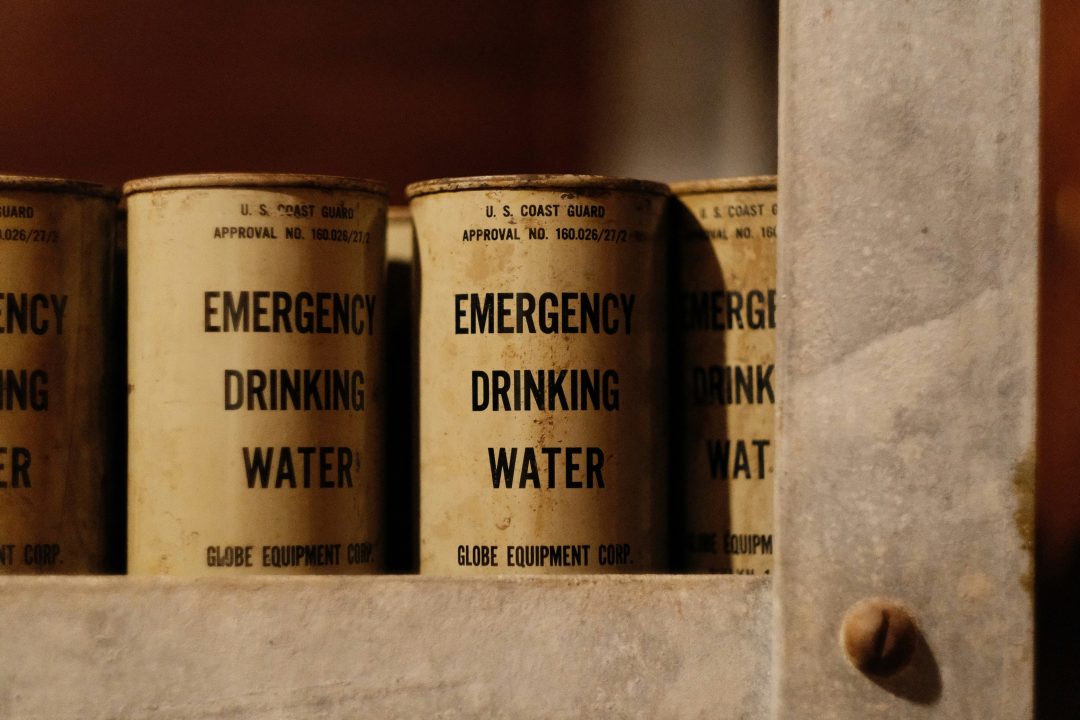
Water filters are used to improve household drinking water by reducing taste, odor, chlorine, particles, selected organic compounds, and specific contaminants depending on the filter technology. They can be useful, but they are not permanent safety devices. A water filter only works properly when it is installed, used, and maintained correctly. Its performance depends on […]
Kitchen Pull-Out Faucets: The Overlooked Contact Point in Drinking-Water Hygiene
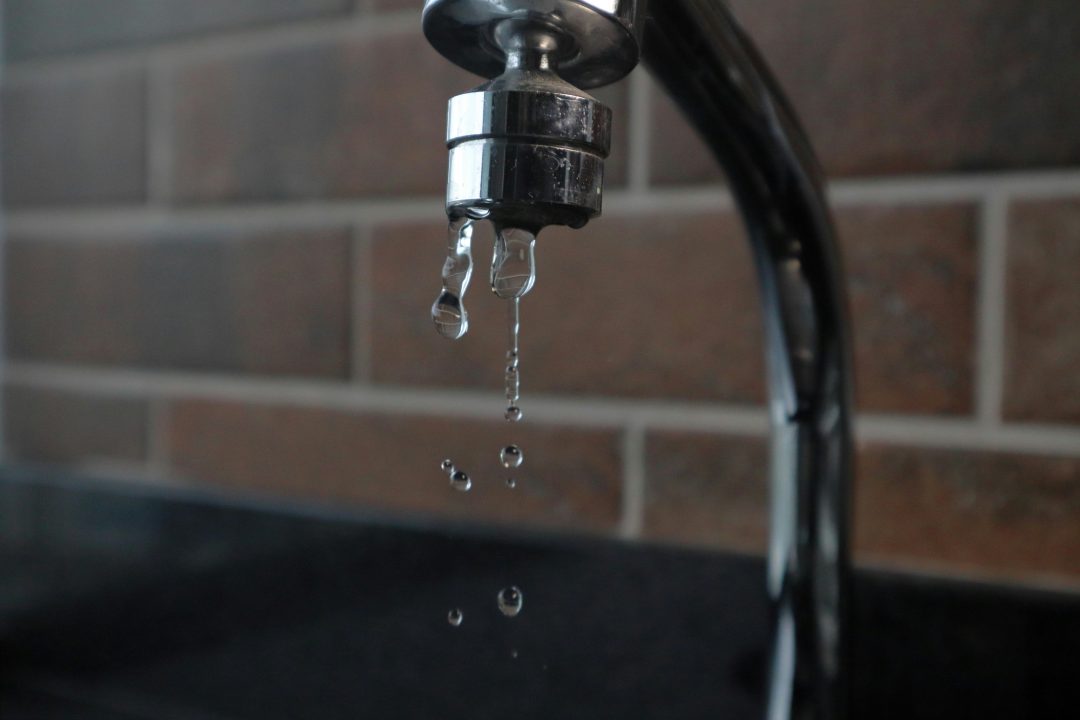
Kitchen pull-out faucets are convenient, but they are also one of the most underestimated contact points in household drinking-water hygiene. The risk is not the faucet concept itself. The risk comes from hose handling, spray-head contamination, internal surfaces, backflow potential, and poor maintenance. Drinking water quality is not only determined by the public supply. It […]
Biofilm in Water Systems: The Hidden Risk Behind Stable Readings
Biofilm formation is one of the most underestimated risks in water systems. Even when standard parameters such as pH, turbidity, or conductivity appear stable, biofilms can develop undetected on internal surfaces. These microbial layers compromise water quality, reduce system efficiency, and significantly increase health risks. A biofilm is a structured community of microorganisms embedded in […]
Automated Sampling in Water Systems: Reducing Human Error in Quality Control
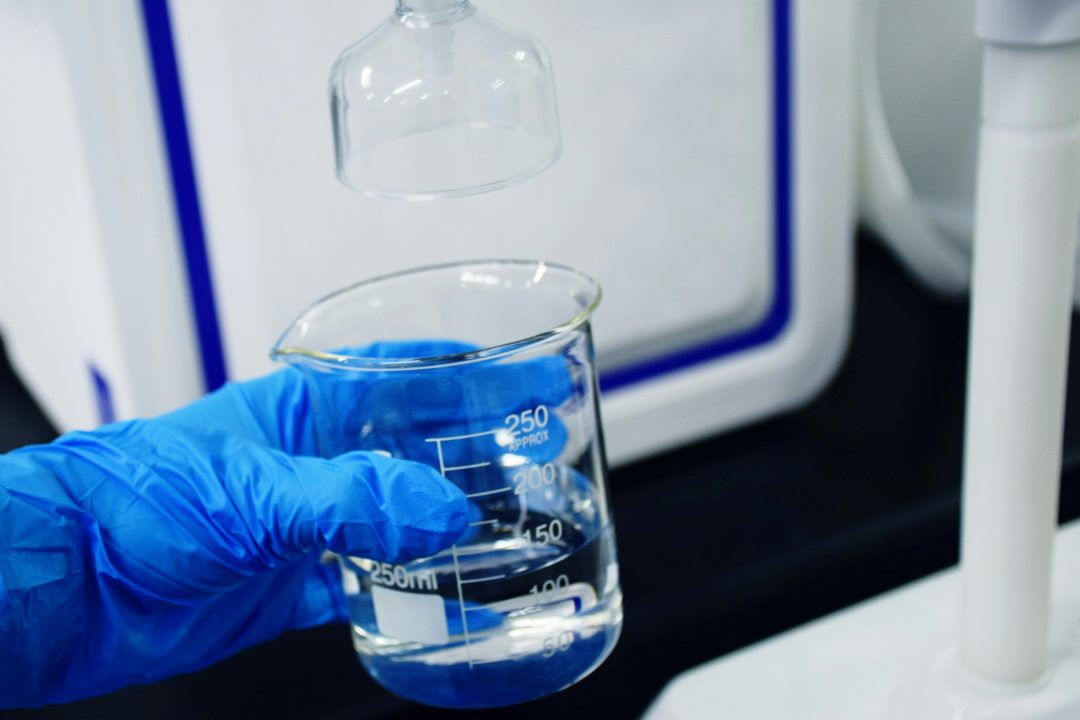
Water quality control is one of the most critical aspects of modern water management. Whether in industrial facilities, public infrastructure, healthcare environments, or commercial buildings, accurate water monitoring is essential for safety, compliance, and operational reliability. Traditionally, many sampling processes have depended heavily on manual procedures. While effective in some cases, manual sampling can introduce […]
Conductivity in Water: Real-Time Indicator of System Integrity
Electrical conductivity is one of the most efficient and widely used parameters for assessing water quality in real time. It measures the ability of water to conduct an electric current, which directly correlates with the concentration of dissolved ions such as salts, minerals, and inorganic contaminants. Unlike single-parameter measurements, conductivity provides a fast, aggregate indicator […]