Why Filtration Performance Is Not the Same as Water Sensory Perception – Sensory vs. Chemistry
Understanding the difference between filtration performance and sensory perception Water filters are often evaluated based on their ability to remove contaminants from water. This is the chemical side of filtration performance. However, sensory perception, which includes taste and odor, is just as important — but often overlooked. So what happens when filtration performance and the […]
What Happens When Drinking Water Remains Under Pressure for Long Periods – Physical Effects in Household Plumbing
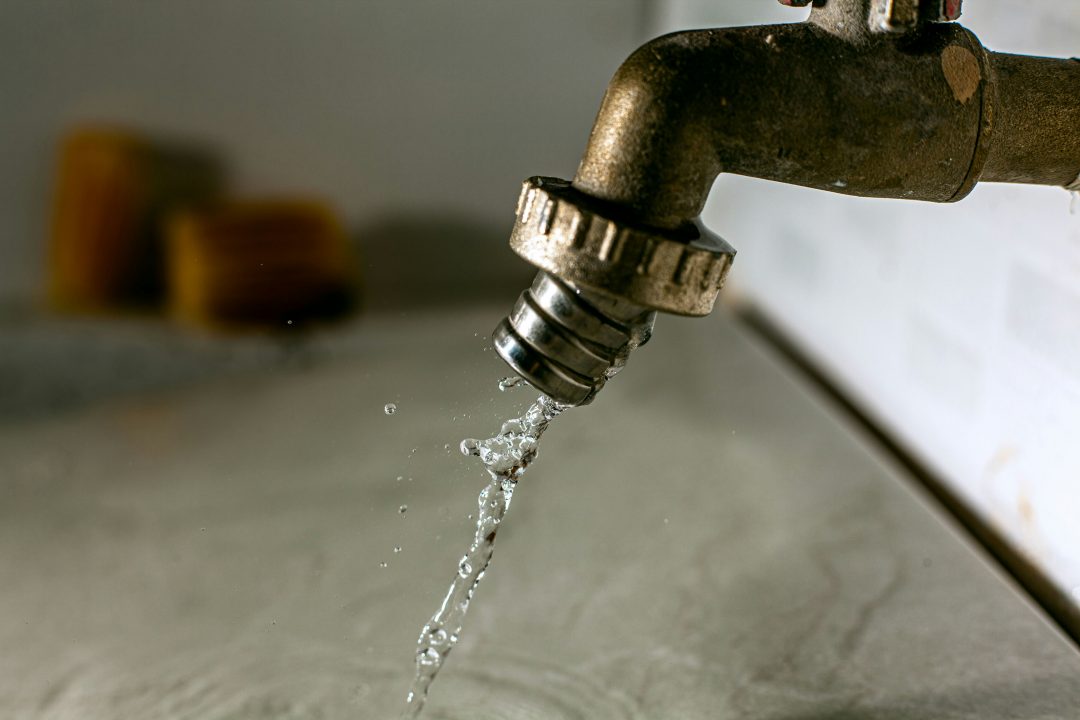
Pressure changes in household water systems: An underestimated phenomenon Drinking water is typically kept under constant pressure within household plumbing to maintain a steady flow. However, what happens when water remains under high pressure for long periods without flowing? The effects on water quality and the plumbing system materials are often invisible at first, but […]
Why Water from Outdoor Taps Reacts Differently Than from Indoor Pipes
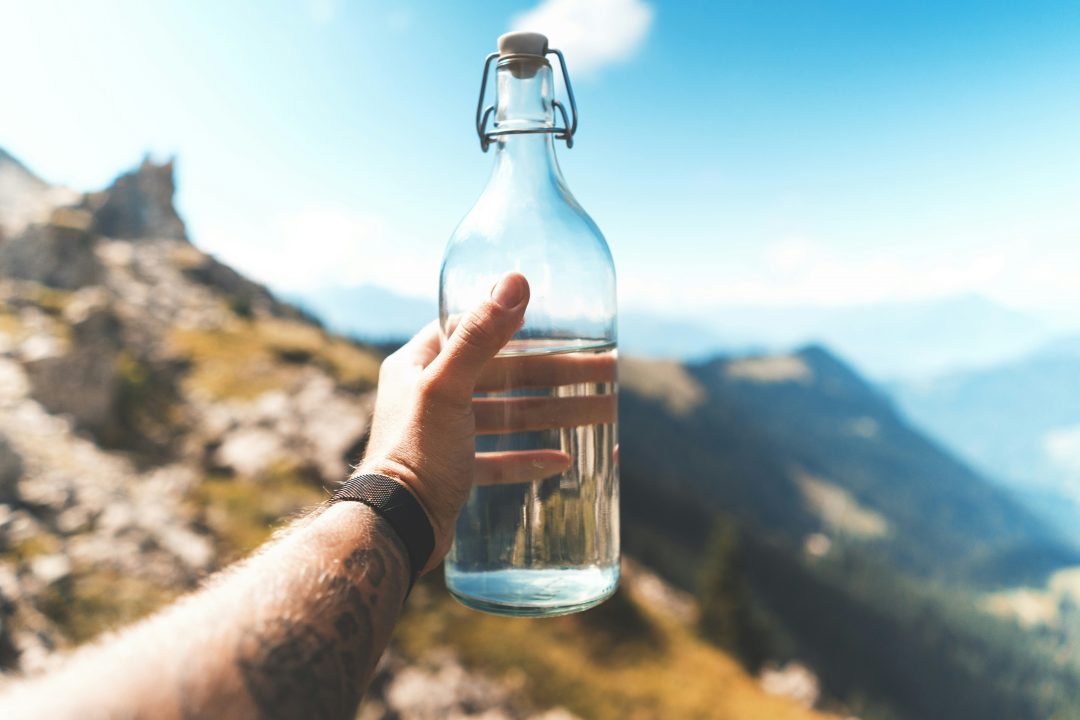
Outdoor vs. Indoor Water Quality Water from outdoor taps often behaves differently than water from indoor pipes. While both sources come from the same municipal supply, the interaction with plumbing systems, temperature variations, and water pressure can cause noticeable differences in water quality. Indoor plumbing systems are generally better insulated and protected from environmental influences, […]
Why Cold Tap Water Ages Faster in Summer Than in Winter
The quality of drinking water is a critical factor in ensuring both safety and taste. But did you know that the behavior of cold tap water changes depending on the season? In particular, cold water tends to „age“ faster in the summer than in the winter, and this phenomenon has to do with several environmental […]
Material migration at home – how plastics, seals, and hoses shape drinking water quality
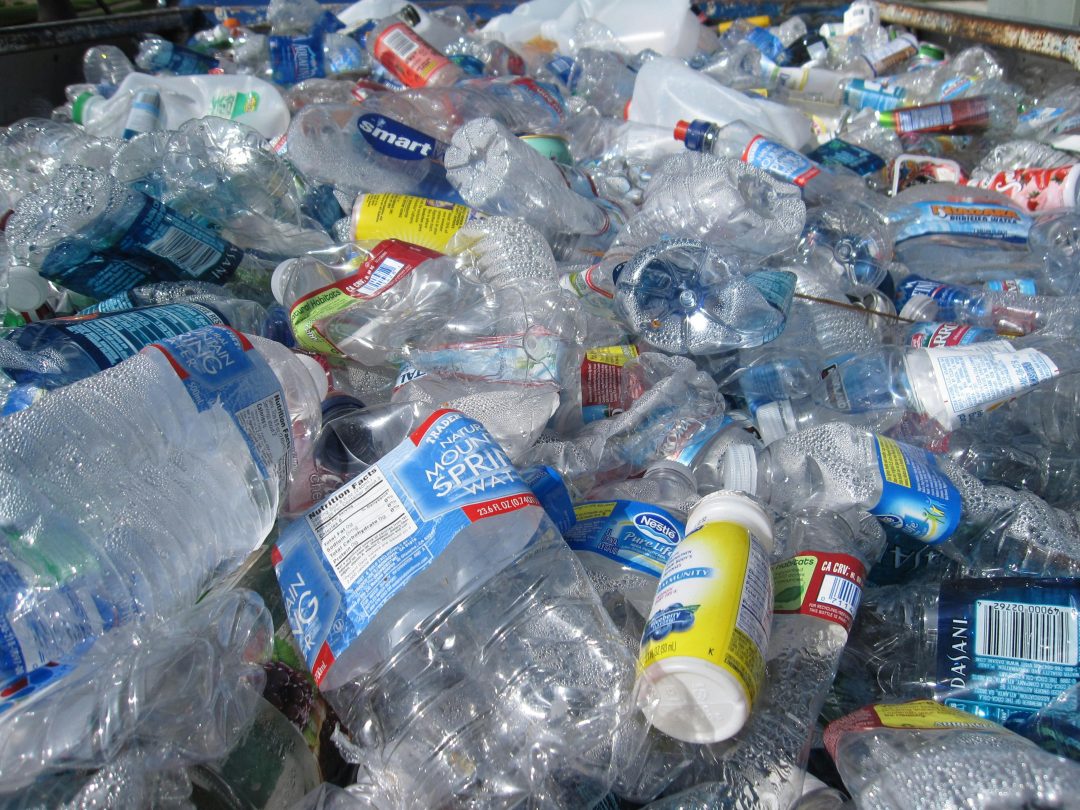
Drinking water is chemically active. Once it enters household plumbing, it interacts with the materials it contacts. Plastics, elastomers, seals, and flexible hoses can release trace substances into the water through a process known as material migration. This mechanism is a well-established contributor to water composition at the point of use. Material migration arises because […]
Ion exchange and adsorption – two filtration principles that are often confused
Water filtration is often discussed as if all filters work in the same way. In reality, two of the most commonly used mechanisms—ion exchange and adsorption—operate on entirely different principles. Confusing the two leads to unrealistic expectations about what a filtration system can and cannot do. Ion exchange is based on chemical substitution. Specialized resins […]
Biofilms in drinking water – why clean water doesn’t always stay clean
Clean drinking water is essential for health. In many countries, tap water leaves the treatment plant in excellent condition. However, this does not guarantee that the water remains hygienically stable once it reaches the home. One of the most overlooked reasons for this is the formation of biofilms inside household plumbing systems. What are biofilms? […]
Why Taste Is a Poor Indicator of Water Quality
Many people judge drinking water by taste. If it tastes fresh, neutral, or pleasant, it is assumed to be clean. While taste can reveal certain problems, it is one of the least reliable indicators of actual water quality. Most substances of concern are completely undetectable by human senses. What Taste Can — and Cannot — […]
Total Cost of Ownership: Filter Systems vs. Bottled Water Over 10 Years
When people compare bottled water and filtration systems, the focus is often on price per unit: a bottle, a cartridge, a monthly subscription. What’s rarely considered is the total cost of ownership (TCO) — the real cost accumulated over years of daily use. Over a 10-year period, the difference is not marginal. It is structural. […]
Why Testing Methods Matter: Not All “Microplastic Tests” Measure the Same Thing
Microplastics are increasingly detected in drinking water, bottled water, and food. As a result, more products, filters, and studies now claim to be “tested for microplastics.” What is rarely explained is a critical fact: not all microplastic tests measure the same thing. The method determines what you see — and what you miss. There Is […]