Pressure changes in household water systems: An underestimated phenomenon
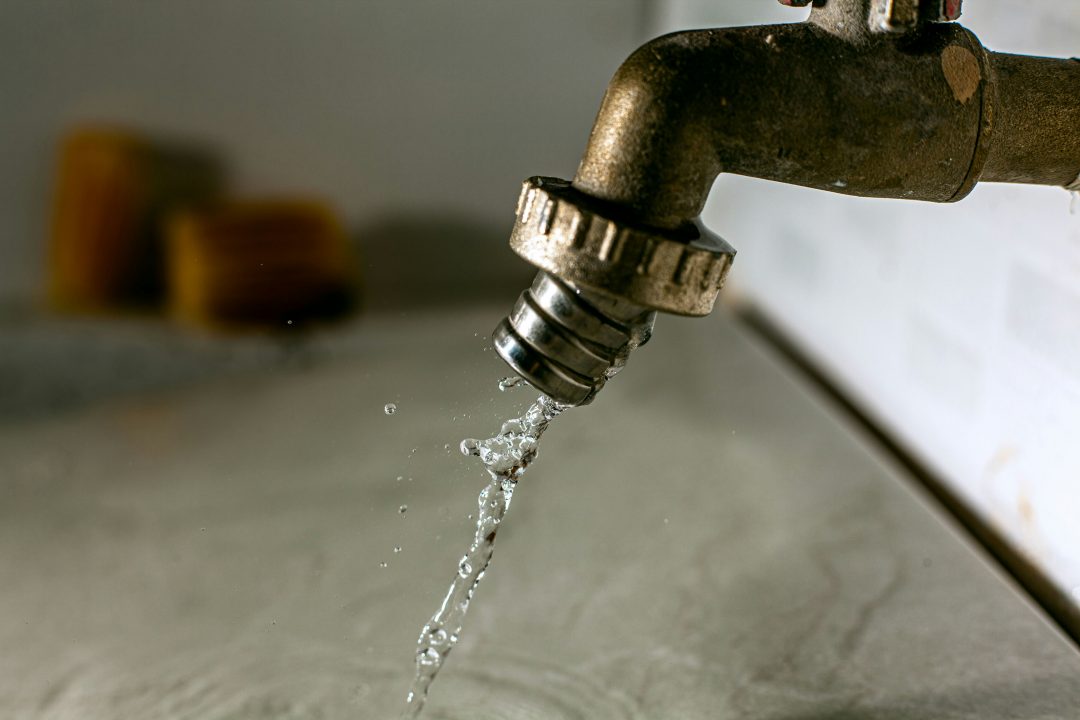
Drinking water is typically kept under constant pressure within household plumbing to maintain a steady flow. However, what happens when water remains under high pressure for long periods without flowing? The effects on water quality and the plumbing system materials are often invisible at first, but they can have significant consequences for both.
Unlike the natural pressure fluctuations that occur when water is drawn from the tap, static pressure during inactivity causes physical effects that are often overlooked in household plumbing systems.
Pressure as a stress factor for pipe materials
Plumbing systems are designed to withstand a certain level of pressure. But when water remains under constant pressure for long periods, materials like PVC, copper, or metal can start to degrade. This issue is especially problematic when the pipes are corrosion-prone or if the installation is older.
Long-term pressure can cause material migration, which leads to chemical substances being leached from the pipes into the water. This migration can promote the presence of both chemical contaminants and microorganisms, which are facilitated by stagnant water.
Microbiological changes due to stagnant water
Water that remains under pressure in pipes for extended periods can encourage microbiological changes through biofilm formation. Biofilms are microscopic layers of bacteria and other microorganisms that adhere to the inside walls of pipes. These are especially likely to form when water remains inactive for long periods, as conditions for microbial activity stabilize.
Biofilms can introduce a variety of microbiological substances into the drinking water, even if the water at the source meets quality standards. Even with constant water pressure and sufficient temperature, these microorganisms can settle in the pipes, potentially causing taste changes or even health risks.
Temperature and pressure impact water quality
Water temperature plays a crucial role in the migration of substances from pipe materials. When water remains under pressure and is unused, temperature fluctuations can accelerate the release of substances from the pipes. In summer, when pipes are exposed to higher temperatures, the risk of material leaching increases, affecting the water’s chemistry.
In winter, the effect may be less significant, but constant pressure still contributes to the slow degradation of materials, which may supply the water with harmful substances.
Practical implications for households
For drinking water quality, the installation and maintenance of plumbing systems are critical. Regular flushing of pipes and checking for potential material issues can help minimize these negative effects.
Recommended Actions:
- Regular flushing of pipes after long periods of disuse
- Inspection of pipe materials in older installations
- Installation of pressure regulators or automatic flushing systems in long plumbing runs
Conclusion
The pressure that drinking water systems are subjected to over long periods is an underestimated factor that impacts water quality and pipe materials. To ensure consistent quality, regular maintenance and conscious handling of the water system are necessary.
Learn more at klar2o.com