Why Water Filters Should Be Matched to the Actual Water Problem
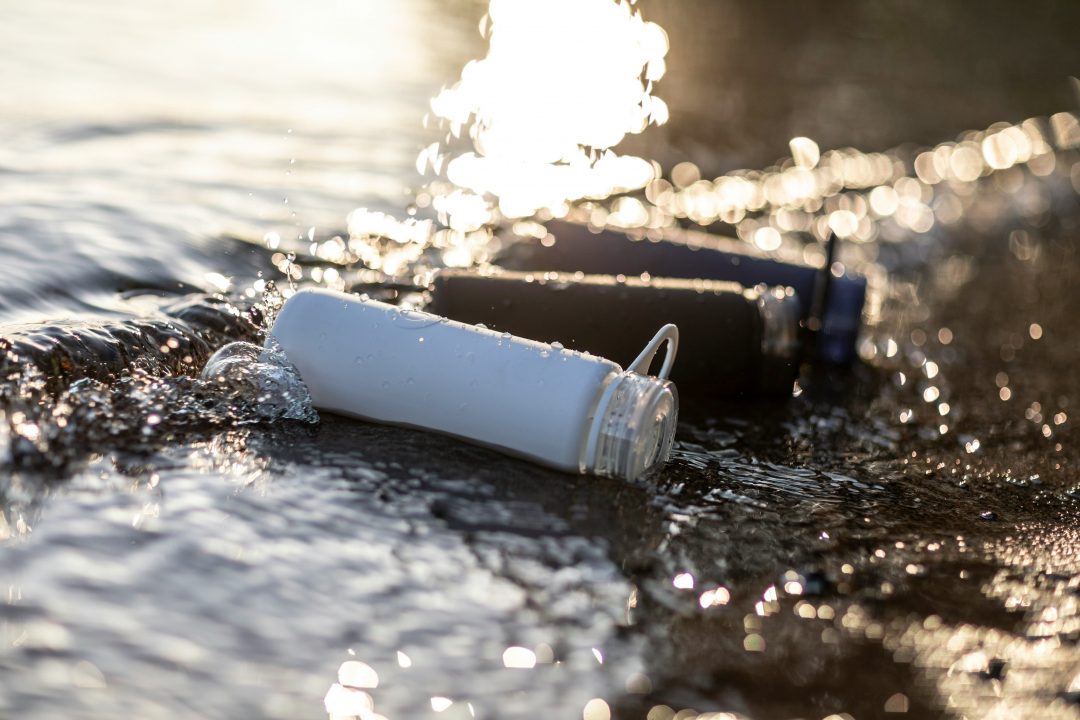
Many people choose water filters based on general claims such as “cleaner water,” “better taste,” or “advanced filtration.” These claims sound reassuring, but they do not answer the most important question: what problem is the filter actually designed to solve? Not every water issue is the same. Some households are mainly concerned about chlorine taste […]
Refrigerator Water Dispensers and Ice Makers: The Overlooked Drinking Water Pathway
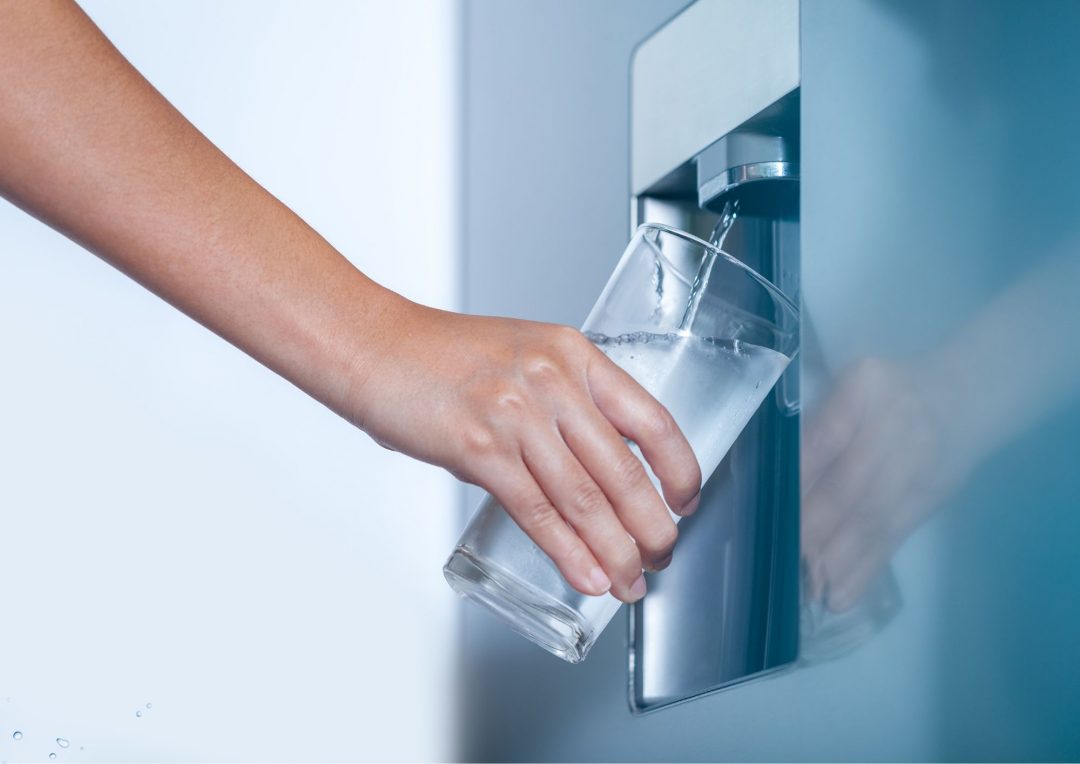
Refrigerator Water Dispensers and Ice Makers: The Overlooked Drinking Water Pathway Water from the refrigerator often seems especially fresh. It is cold, clear and frequently filtered. Before reaching the glass or becoming an ice cube, however, it passes through additional hoses, valves, filters and dispensing components. The refrigerator does not shorten the water pathway. It […]
Why Filter Lifetime Is Not Only About Time, But About Water Load

Water filters are often marketed with simple replacement intervals. A cartridge may be described as lasting three months, six months, or one year. This is easy for consumers to understand, but it can create a misleading impression. A filter does not age only by calendar time. It ages by the amount and quality of water […]
TFA in Drinking Water: Why the Smallest PFAS Is So Difficult to Remove
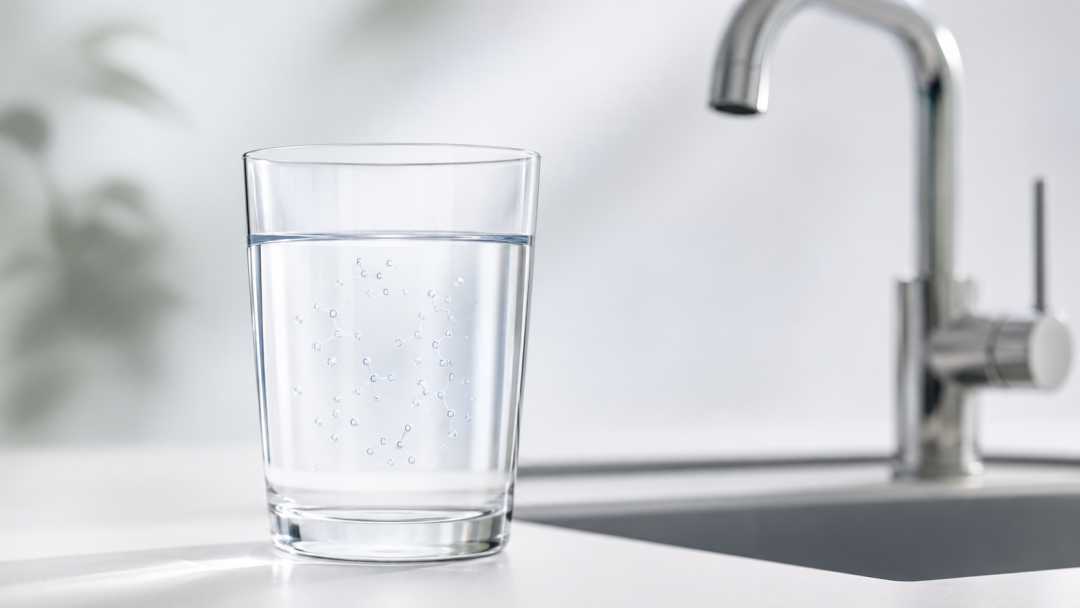
When PFAS are discussed, well-known compounds such as PFOS and PFOA usually receive the most attention. Trifluoroacetic acid, or TFA, differs significantly from these substances: it is extremely small, highly soluble in water and moves almost unhindered through soils, water bodies and many treatment processes. In water, it is predominantly present as the negatively charged […]
The Hidden Difference Between Removing Contaminants and Reducing Exposure

Water filtration is often discussed in simple terms: a contaminant is either removed or it is not. This makes filtration sound like a fixed technical result. In reality, removing contaminants from a water sample and reducing human exposure in daily life are related, but they are not the same thing. A filter may reduce certain […]
Why Multi-Stage Filtration Needs More Than Just More Filter Layers
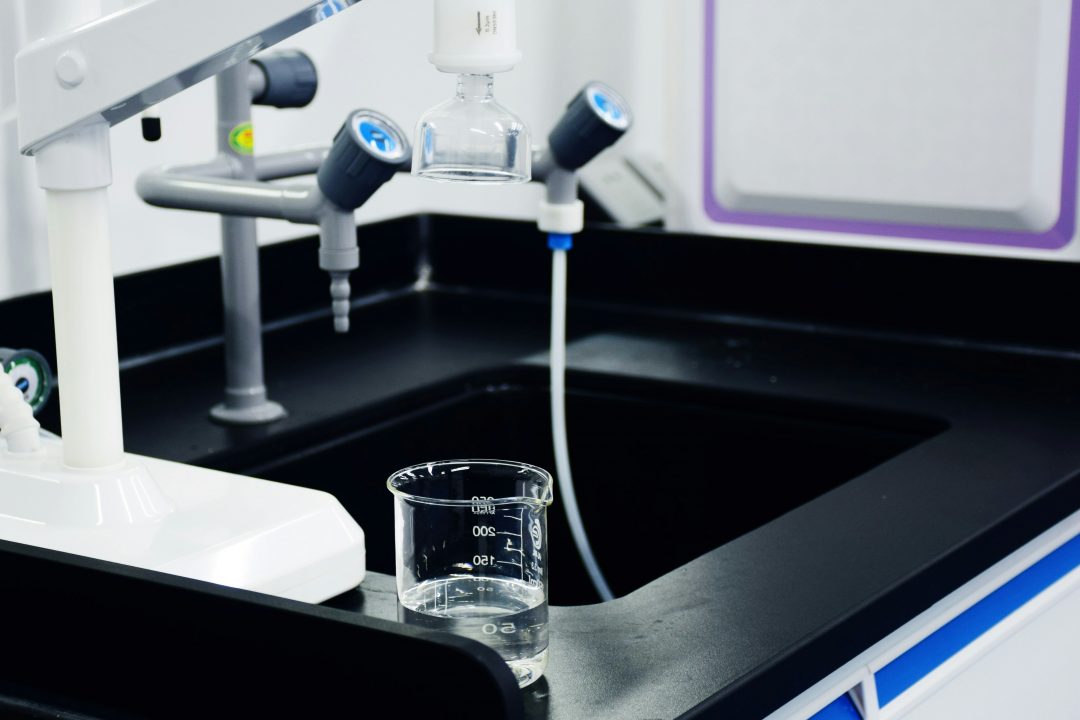
Multi-stage filtration is often presented as a sign of superior water treatment. The idea sounds simple: if one filter layer is good, several layers must be better. In practice, however, filtration performance does not depend only on the number of stages. It depends on whether each stage has a clear function, the right material, enough […]
Household Water Filters After Installation: Why the First Weeks Matter
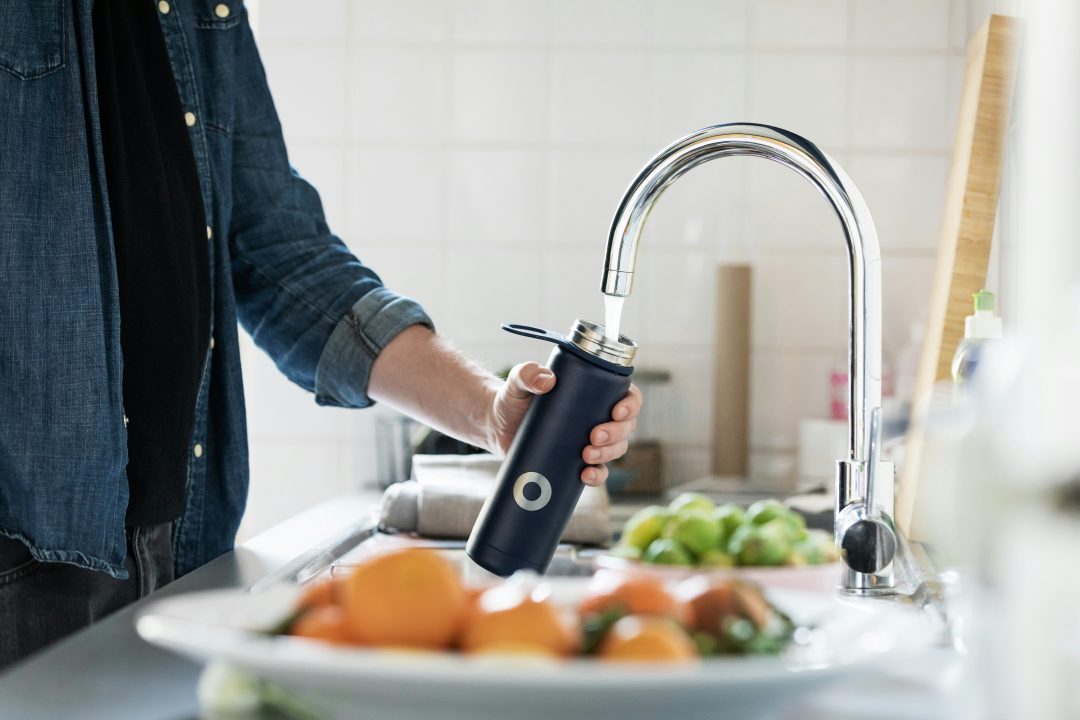
Household water filters are often treated as finished once they are installed. The unit is connected, water flows through it, and the assumption is that filtration performance begins immediately at a stable level. In practice, the first weeks after installation are an important operating phase that can determine how well the system performs over time. […]
Pharmaceutical Residues in Drinking Water: What Trace Compounds Reveal About Modern Water Treatment
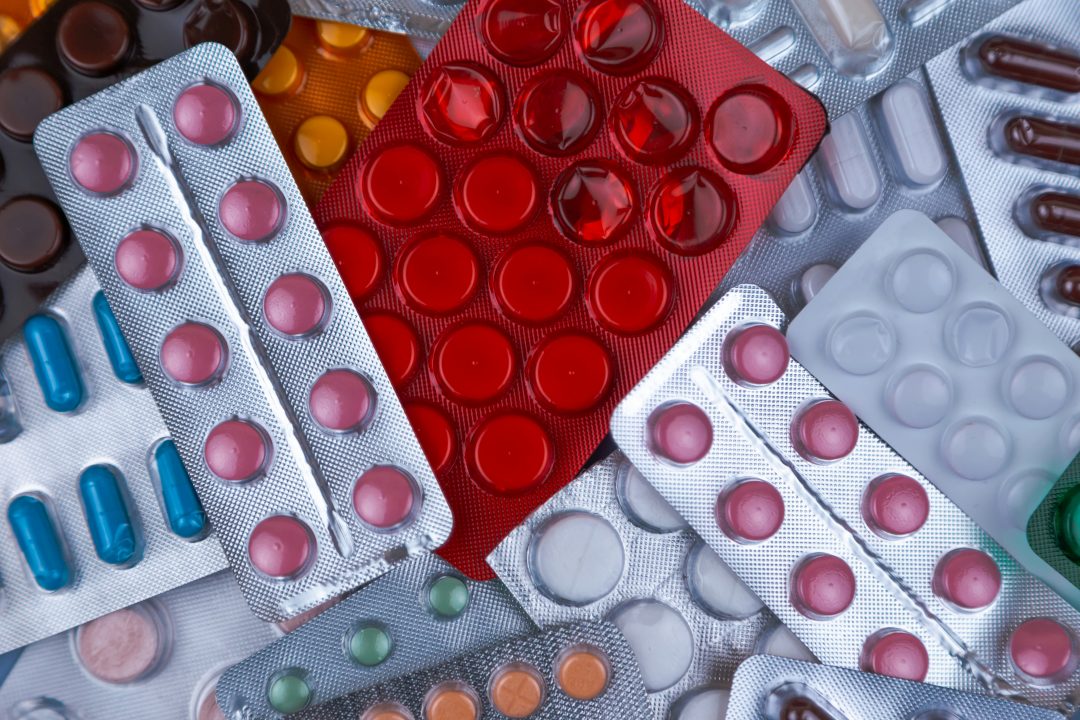
Pharmaceutical residues are becoming an important topic in drinking-water quality. They include traces of medicines, hormones, antibiotics, painkillers, contrast agents, and other compounds that can enter wastewater through human use, hospitals, households, agriculture, and improper disposal. These substances are usually found at very low concentrations, but their presence shows how closely drinking water is connected […]
Filter Certification Explained: Why NSF, DIN, and Laboratory Testing Matter More Than Marketing Claims
Water filters are often sold with strong claims. They may promise cleaner taste, fewer contaminants, safer drinking water, or advanced protection against specific substances. Some of these claims are valid, but others are too broad, poorly explained, or not supported by transparent test data. That is why filter certification matters. A drinking-water filter should not […]
TFA in Drinking Water: Why Ultra-Short-Chain PFAS Are Becoming a New Filtration Challenge
TFA, or trifluoroacetic acid, is becoming an important topic in drinking-water quality. It belongs to the wider PFAS discussion, but it behaves differently from many better-known PFAS compounds. Because TFA is extremely small, persistent, and mobile in water, it can move through the environment and reach groundwater, surface water, and eventually drinking-water sources. The main […]