
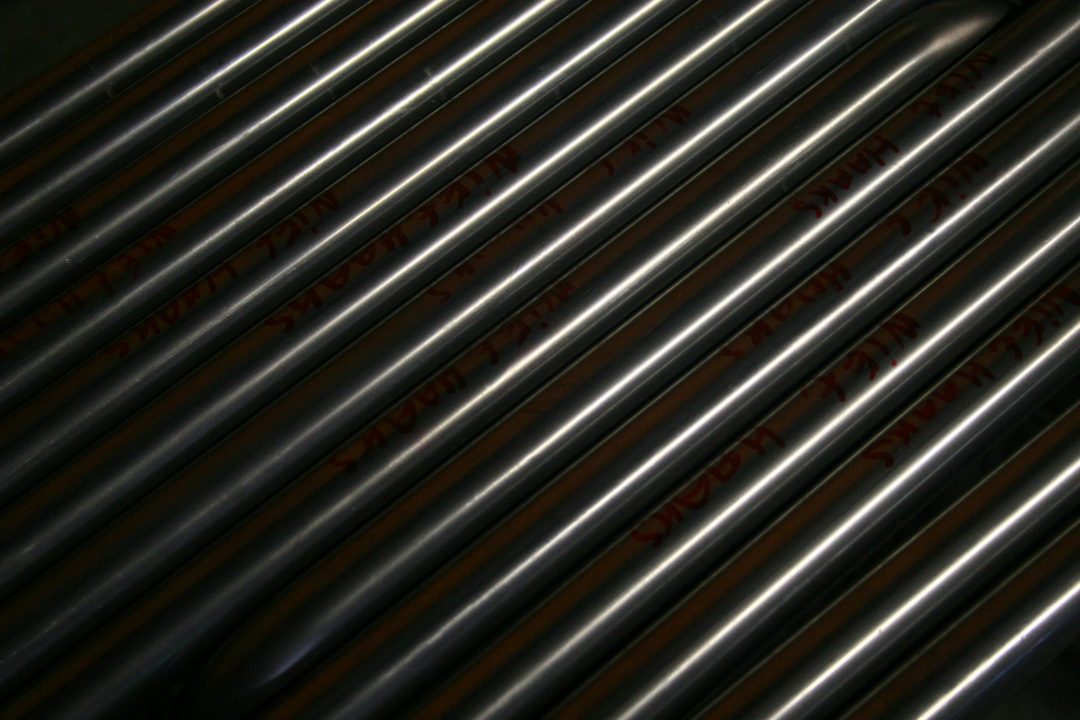
Material choice in drinking water systems is often reduced to one simple claim: stainless steel is better. While stainless steel does offer important advantages, it is not automatically superior in every application. Understanding when it matters—and when it doesn’t—is key to making informed decisions about water quality.
Why Materials Matter in the First Place
Drinking water systems are in constant contact with water, often for years. Materials therefore influence:
- chemical leaching
- taste and odor
- biofilm formation
- long-term system stability
Poor material choices can introduce unwanted substances into otherwise clean water, especially under heat, pressure, or stagnation.
Where Stainless Steel Clearly Has Advantages
High-quality stainless steel (such as 304 or 316) is:
- chemically stable
- resistant to corrosion
- non-porous and easy to clean
- free from plasticizers or softeners
In whole-house systems, pressure housings, and long-life filter assemblies, stainless steel provides structural integrity and material neutrality over many years. It is particularly advantageous where water temperature, pressure fluctuations, or mechanical stress are involved.
When Stainless Steel Does Not Improve Filtration
Stainless steel itself does not filter water. It does not remove chemicals, microplastics, PFAS, or microbes. Filtration performance depends entirely on the filter media inside, not on the housing material.
In low-pressure applications or short contact components, high-quality polymers can perform just as well from a water-quality standpoint—without introducing measurable risks when properly certified.
The Real Risk: Poor Plastics, Not Plastic Per Se
The issue is not “plastic versus steel,” but material quality and certification. Inferior plastics may release additives, degrade over time, or interact with disinfectants. Certified, drinking-water-safe polymers, however, are designed to remain stable under defined conditions.
Stainless steel becomes relevant where long service life, mechanical durability, and minimal material interaction are required—not as a universal solution.
Choosing Materials Based on Function
The smartest systems combine materials strategically:
- stainless steel where strength and longevity matter
- certified polymers where flexibility, insulation, or cost efficiency are needed
- filtration media selected for specific contaminants
Material choice should follow engineering logic, not marketing slogans.
Stainless steel is a tool—not a guarantee.
Clean water depends on design, not shine.
Learn more at klar2o.com