Water filters are designed to work under regular operating conditions. Water enters the system, moves through the filtration media, and leaves through the outlet. When a filter sits unused for days, weeks, or months, this process stops, but the filter does not become inactive in a neutral way.
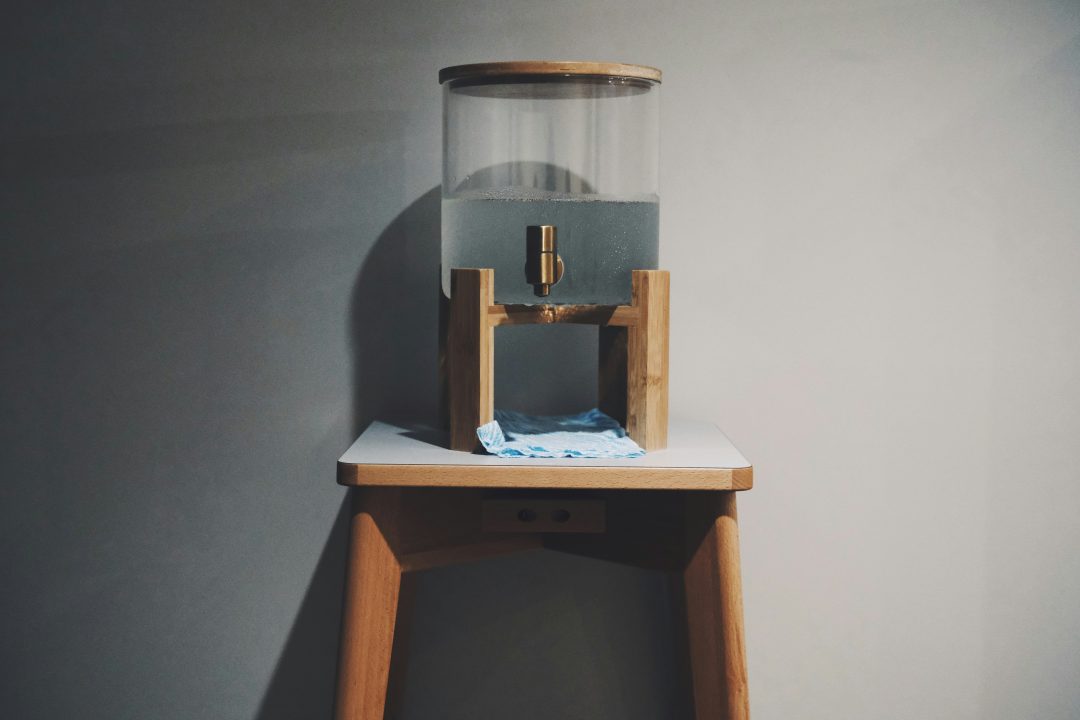
Inside the cartridge, water can remain trapped in the filter media, housing, pores, seals, tubing, or reservoir. This standing water is no longer the same as fresh incoming tap water. The CDC notes that germs can grow when water sits still inside water systems, and that filters and treatment systems can also allow germ growth if they are not maintained properly.
This is especially relevant for filters that stay wet after use. Moist surfaces, retained particles, organic matter, and low-flow conditions can create an environment where microbiological growth becomes more likely. The problem is not that every unused filter becomes unsafe immediately. The problem is that long non-use changes the operating conditions the filter was designed for.
A common misunderstanding is that a filter’s lifetime pauses when it is not being used. In reality, time still matters. Seals can age, cartridges can remain wet, reservoirs can collect residues, and materials may no longer behave as expected after long inactivity. NSF advises users to replace cartridges at the recommended interval and use the correct replacement cartridge to maintain performance.
Another issue is the first water after non-use. The first flow may include water that has been sitting inside the cartridge, outlet, reservoir, or connected tubing. This water should not automatically be treated as freshly filtered water. Many systems require flushing after installation, replacement, or extended non-use, and the correct procedure should always follow the manufacturer’s instructions.
Filters that reduce chlorine or other disinfectants need particular attention. Disinfectants help limit microbial growth in water systems, but some filters remove them as part of taste or contaminant treatment. The CDC warns that whole-home filters removing chlorine or other disinfectants can allow more germs to grow in plumbing, which shows why maintenance and system design matter when disinfectant barriers are reduced.
Unused filters can also create false confidence. Water may look clear, taste normal, and flow without obvious problems, but appearance does not confirm that the filter is still performing correctly. A cartridge can lose reliability through age, saturation, contamination, or poor maintenance before the user notices a visible change.
This matters for contaminant-specific filtration. If a filter is used for PFAS, metals, pesticides, microplastics, or other trace substances, performance depends on correct cartridge condition and replacement discipline. EPA guidance on home PFAS filters emphasizes that systems must be maintained according to manufacturer instructions and that filters have limited capacity.
For households, the practical response after long non-use is simple: do not assume the filter is ready immediately. The system should be flushed according to the manufacturer’s instructions, reservoirs or pitchers should be cleaned, expired cartridges should be replaced, and any unusual odor, taste, discoloration, leakage, or reduced flow should be treated as a warning sign.
For offices, seasonal homes, rental properties, and low-use spaces, this issue is even more important. Filters may remain unused over holidays, vacancies, renovations, or operational shutdowns. In these cases, filter restart procedures should be part of normal water hygiene, not an afterthought.
Klar2O’s filtration approach focuses on targeted contaminant reduction through Smart-Surface technology. But even advanced filtration depends on correct use, regular flow, proper storage, and responsible cartridge replacement. A high-performance filter cannot deliver reliable results if it is left unused for too long and then put back into service without inspection or flushing.
In conclusion, an unused water filter is not simply waiting in perfect condition. Standing water, moist filter media, aging components, microbial growth potential, and overdue replacement can all affect performance. A reliable filtration strategy must consider not only what the filter removes, but also how the filter is used, paused, restarted, and maintained.
For more info visit klar2o.de.