
Why PFAS Can Move Through the Environment So Easily
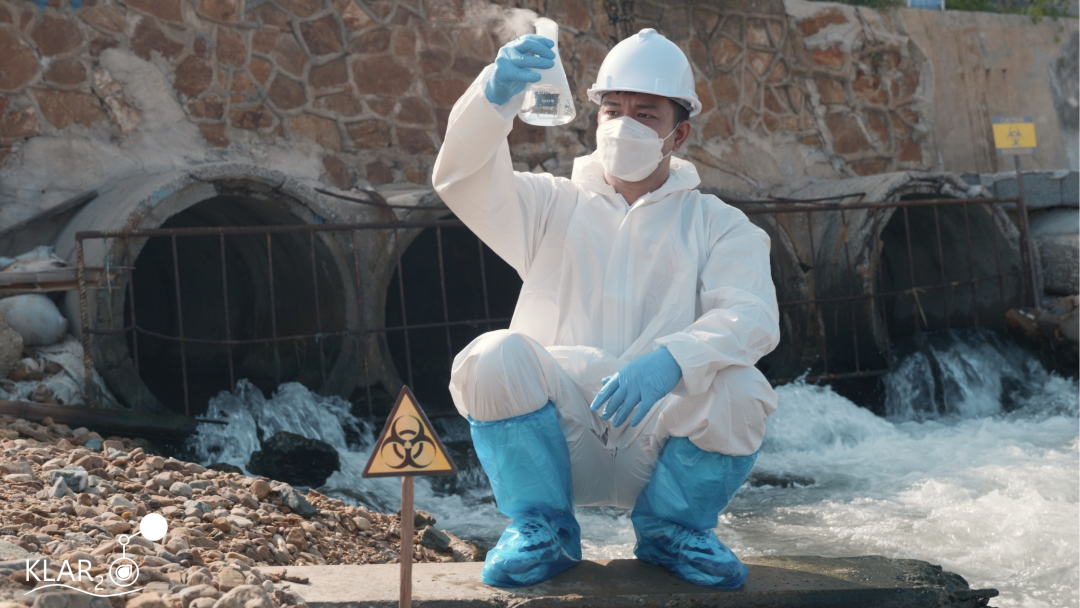
Why can PFAS travel so far through the environment? Learn how water, soil, groundwater, chain length and chemical structure influence PFAS mobility.
Where Do Microplastics in Drinking Water Actually Come From?
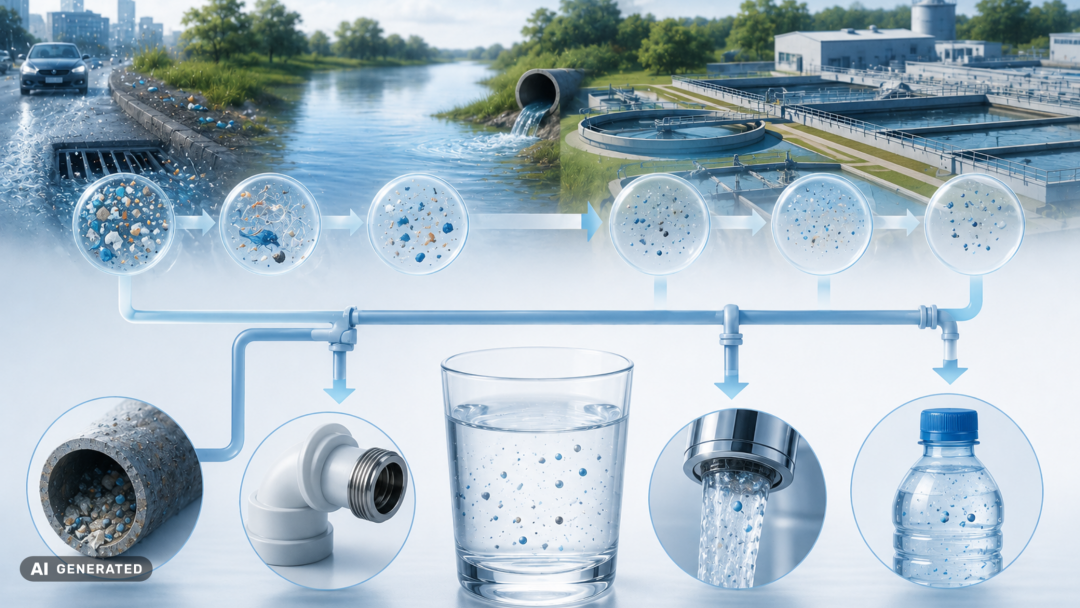
Microplastics can enter drinking water at several points. Explore the evidence for runoff, wastewater, treatment, distribution infrastructure, bottles and caps — and why identifying the source matters.
Adsorption vs. Mechanical Filtration: Two Different Ways to Clean Water
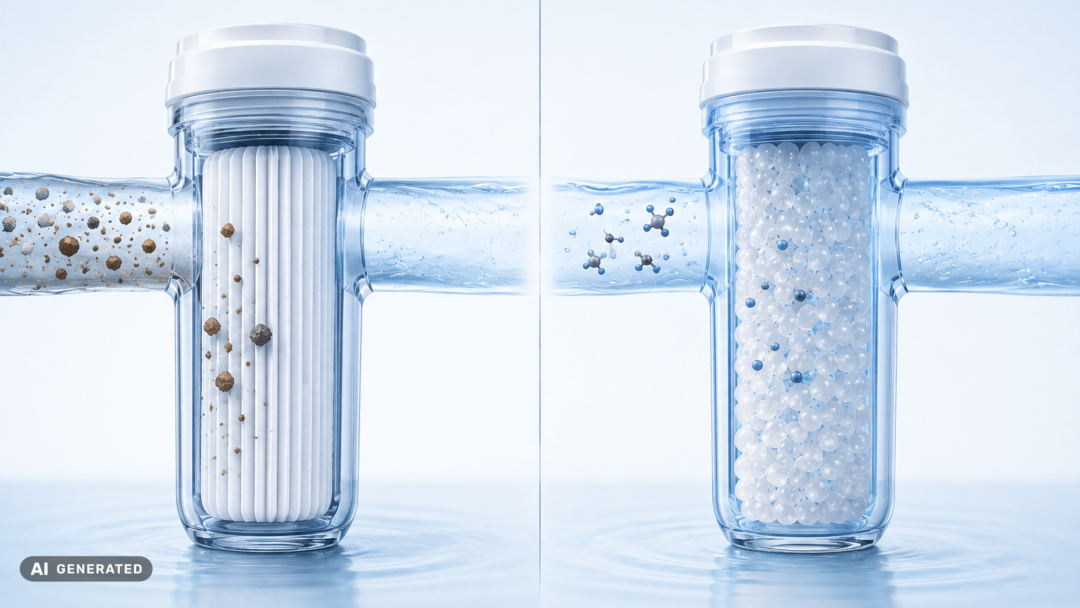
Not every water filter works by blocking particles. Learn how mechanical filtration differs from adsorption, why pore size is only part of the story and how engineered surfaces open new approaches to water treatment.
Why pH Matters in Drinking Water — Even Though It Is Not a Contaminant
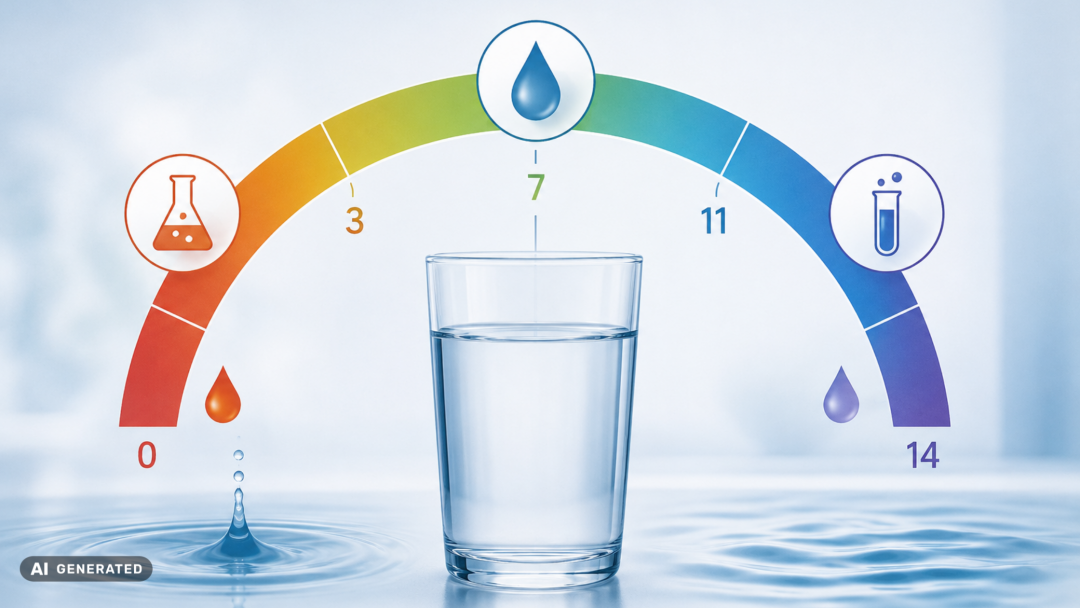
Drinking water does not need to have a pH of exactly 7. Learn what pH measures, why Germany allows 6.5–9.5 and how pH influences corrosion, minerals and water treatment.
Groundwater, Surface Water and Spring Water: Why the Source Matters
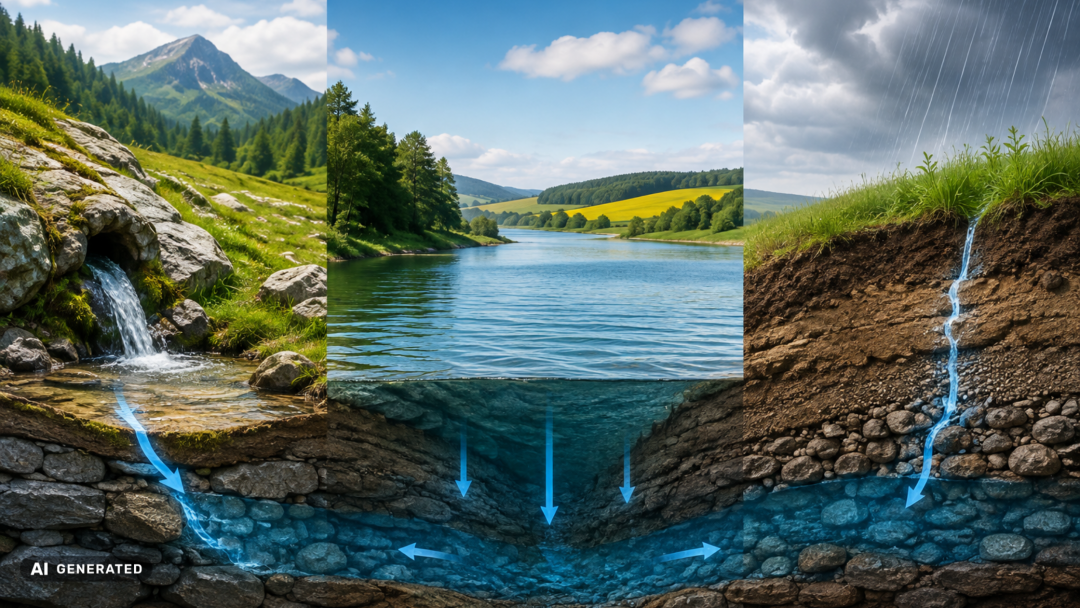
Where drinking water comes from matters. Discover how geology, rainfall, agriculture and surface contact shape groundwater, surface water and natural springs before treatment.
From Waterworks to Tap: What Actually Happens to Drinking Water Along the Way?
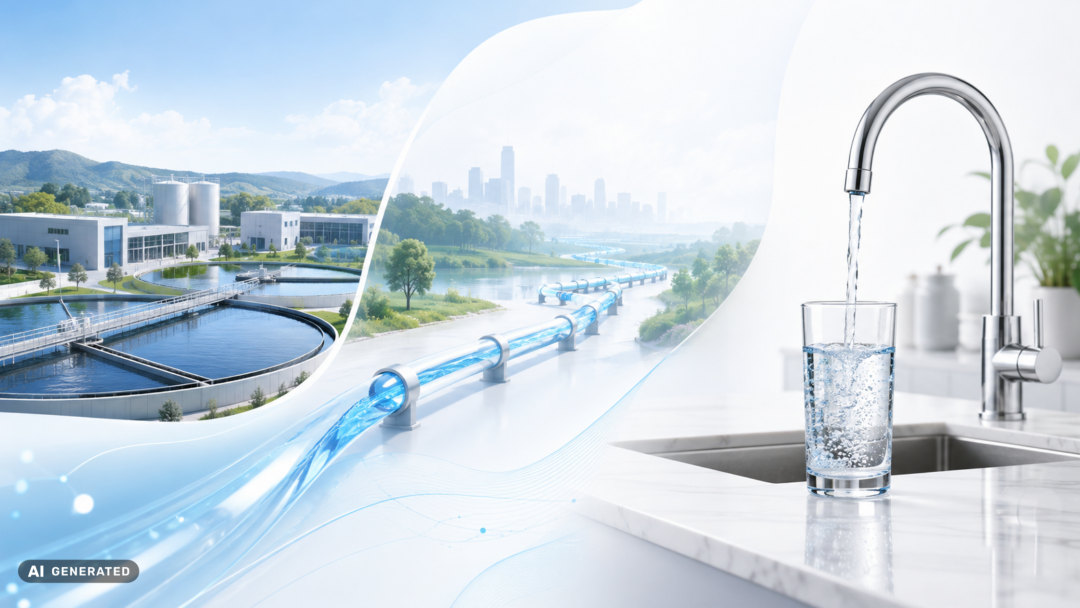
Water treatment does not end the story. Discover what happens as drinking water moves through storage, distribution networks and building plumbing before reaching the tap.