The Hidden Water Footprint of Filtration
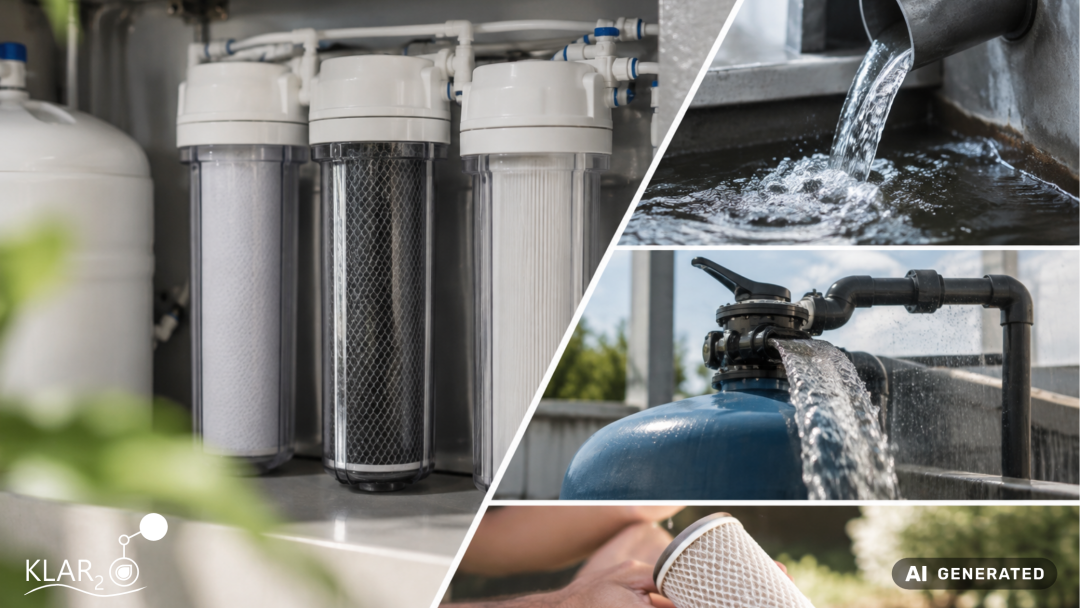
Filtration can improve water quality, but treatment itself may use water. Learn how RO concentrate, backwashing, regeneration and filter lifetime affect the hidden water footprint.
Why Microplastics and PFAS Are Two Very Different Filtration Challenges
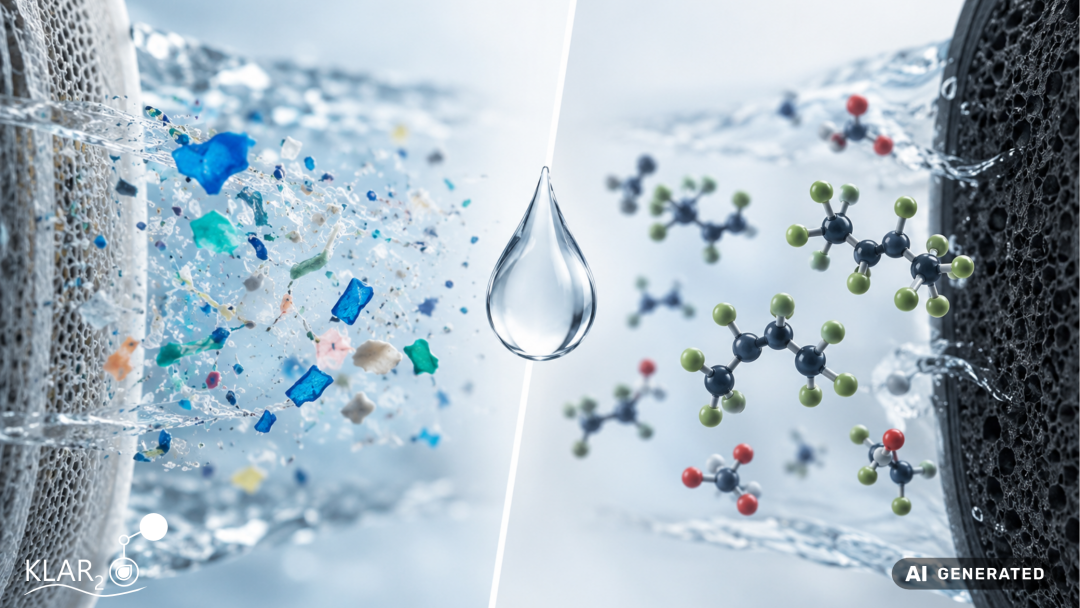
Microplastics are particles, while PFAS are dissolved chemicals. Learn why these contaminants require different filtration mechanisms and treatment strategies.
Could Rivers Clean Themselves? Understanding Natural Attenuation

Can rivers clean themselves? Learn how dilution, sediment, sunlight and microorganisms naturally change pollutants, and why natural attenuation has clear limits.
Why Some PFAS Are Harder to Remove Than Others
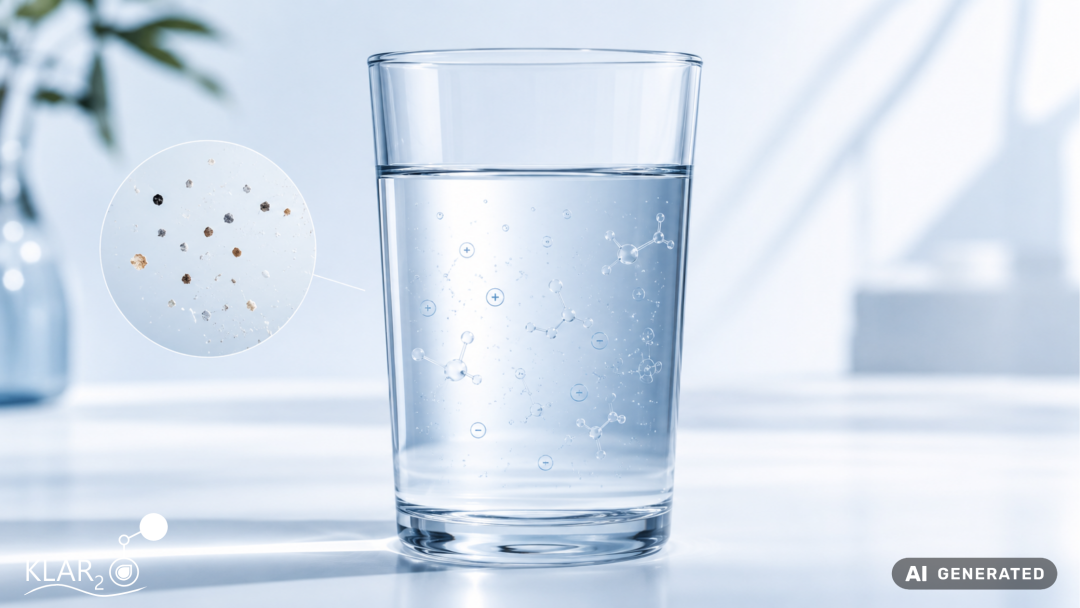
Not all PFAS behave the same way. Learn why chain length, molecular structure, water chemistry and filter material affect how easily different PFAS can be removed.
Why Water Chemistry Matters More Than a Filter’s Marketing Claim
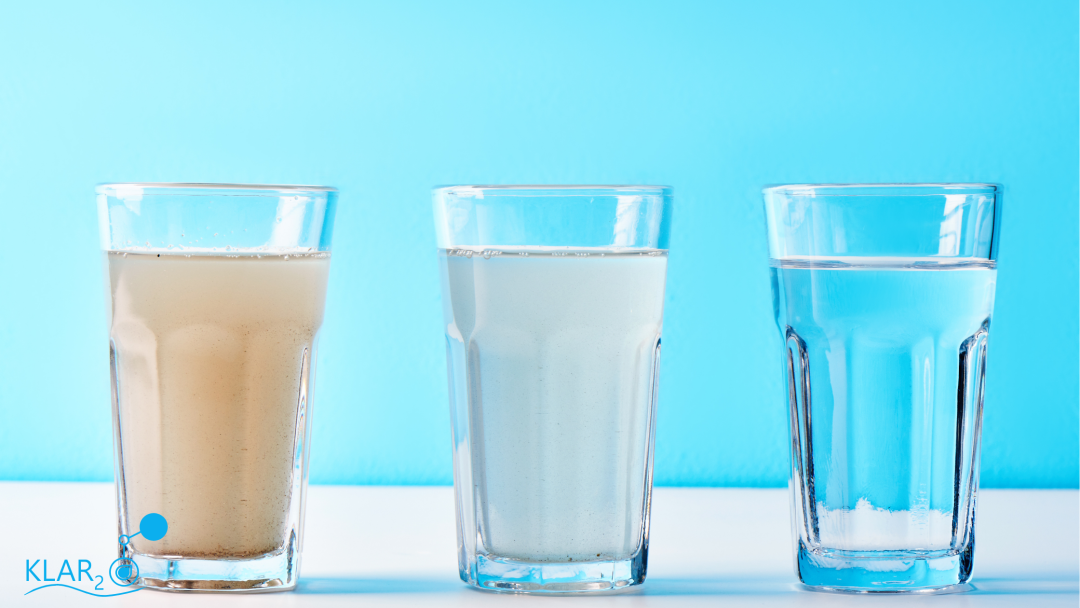
A filter’s performance depends on the water it treats. Learn how pH, minerals, organic matter, concentration and flow rate can change real-world filtration results.
What Happens to a Pollutant After a Filter Removes It?
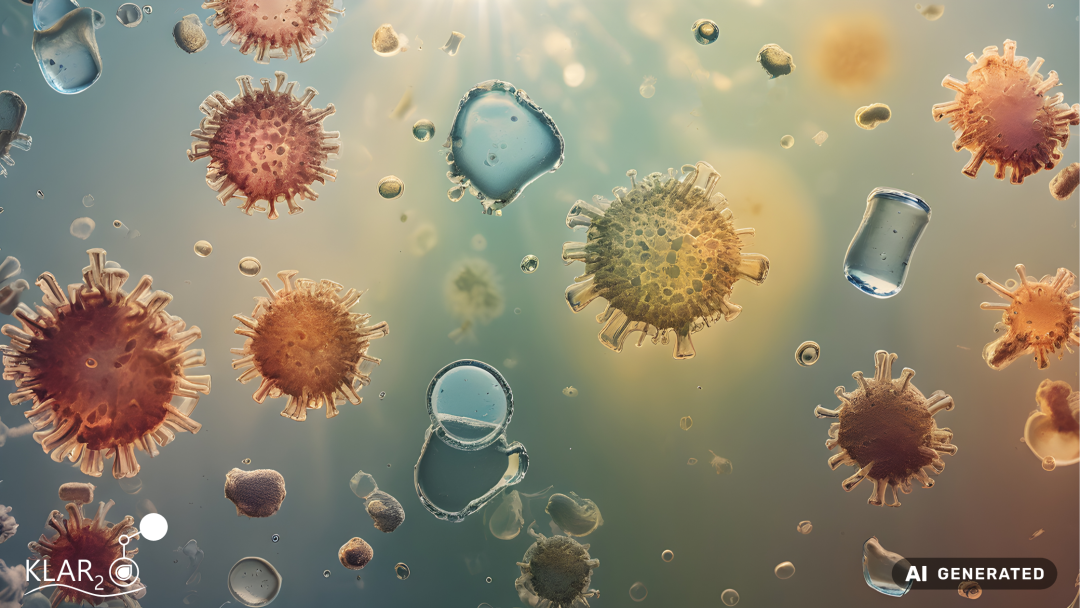
A filter does not make pollutants disappear. Learn what happens to contaminants after filtration, from adsorption and breakthrough to regeneration, reuse and disposal.
Why PFAS Can Move Through the Environment So Easily
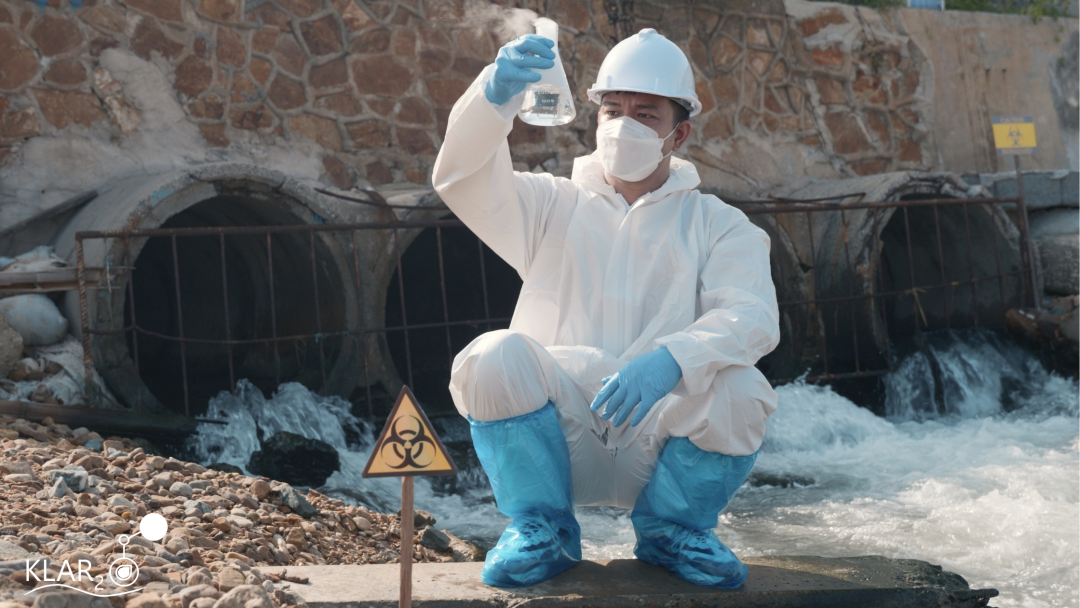
Why can PFAS travel so far through the environment? Learn how water, soil, groundwater, chain length and chemical structure influence PFAS mobility.
Where Do Microplastics in Drinking Water Actually Come From?
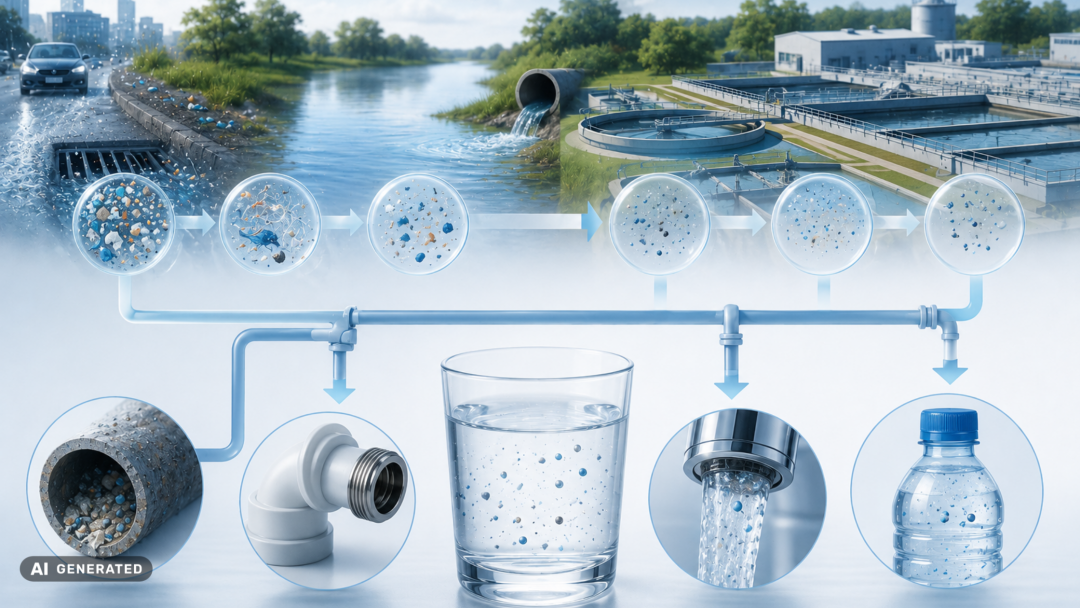
Microplastics can enter drinking water at several points. Explore the evidence for runoff, wastewater, treatment, distribution infrastructure, bottles and caps — and why identifying the source matters.
Adsorption vs. Mechanical Filtration: Two Different Ways to Clean Water
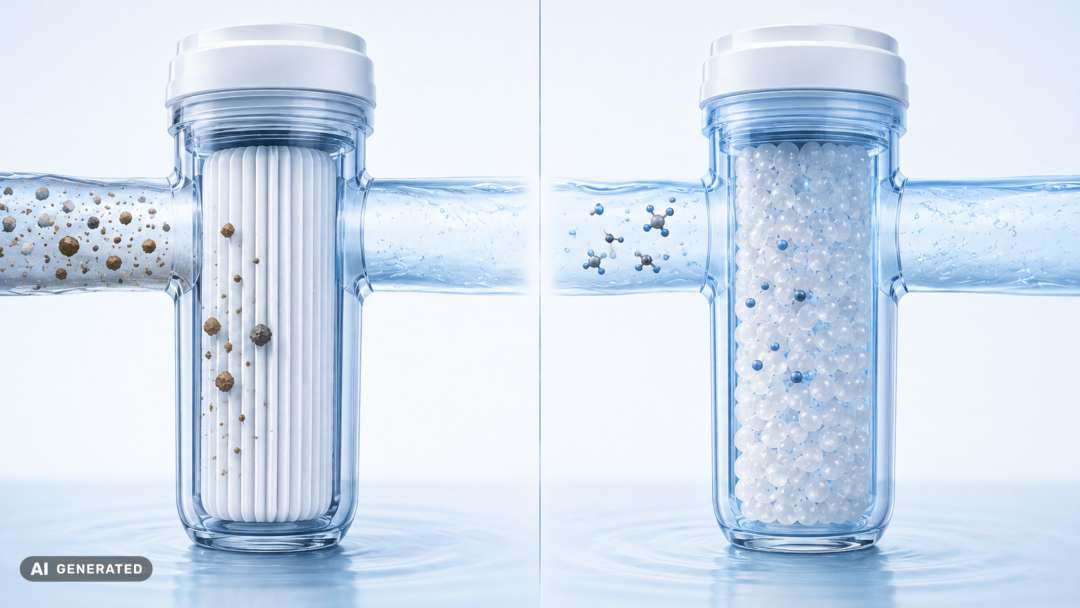
Not every water filter works by blocking particles. Learn how mechanical filtration differs from adsorption, why pore size is only part of the story and how engineered surfaces open new approaches to water treatment.
Why pH Matters in Drinking Water — Even Though It Is Not a Contaminant
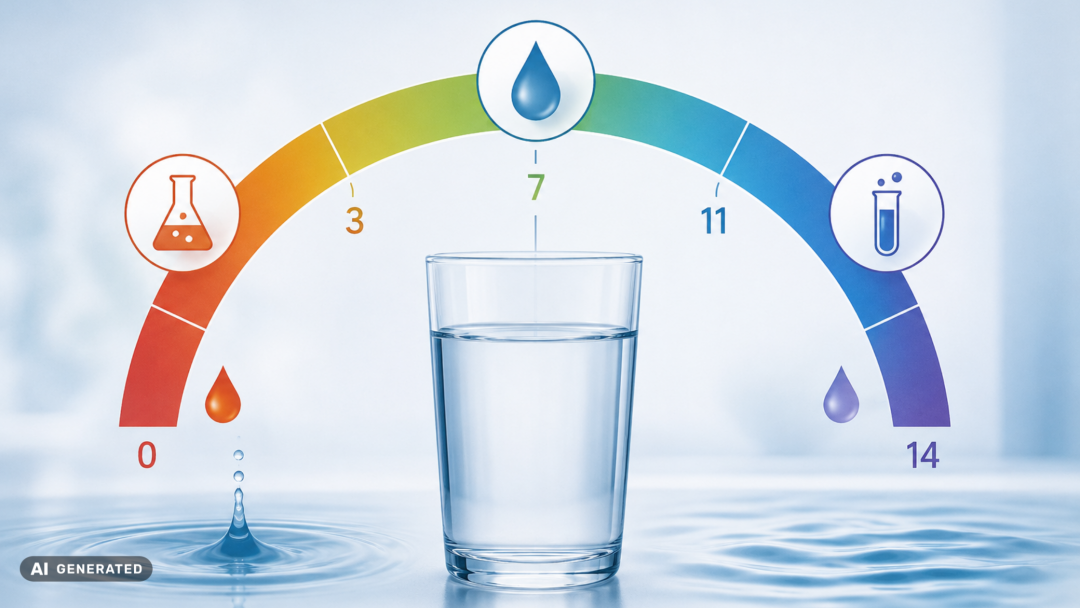
Drinking water does not need to have a pH of exactly 7. Learn what pH measures, why Germany allows 6.5–9.5 and how pH influences corrosion, minerals and water treatment.