
What Happens When a Water Filter Sits Unused for Too Long
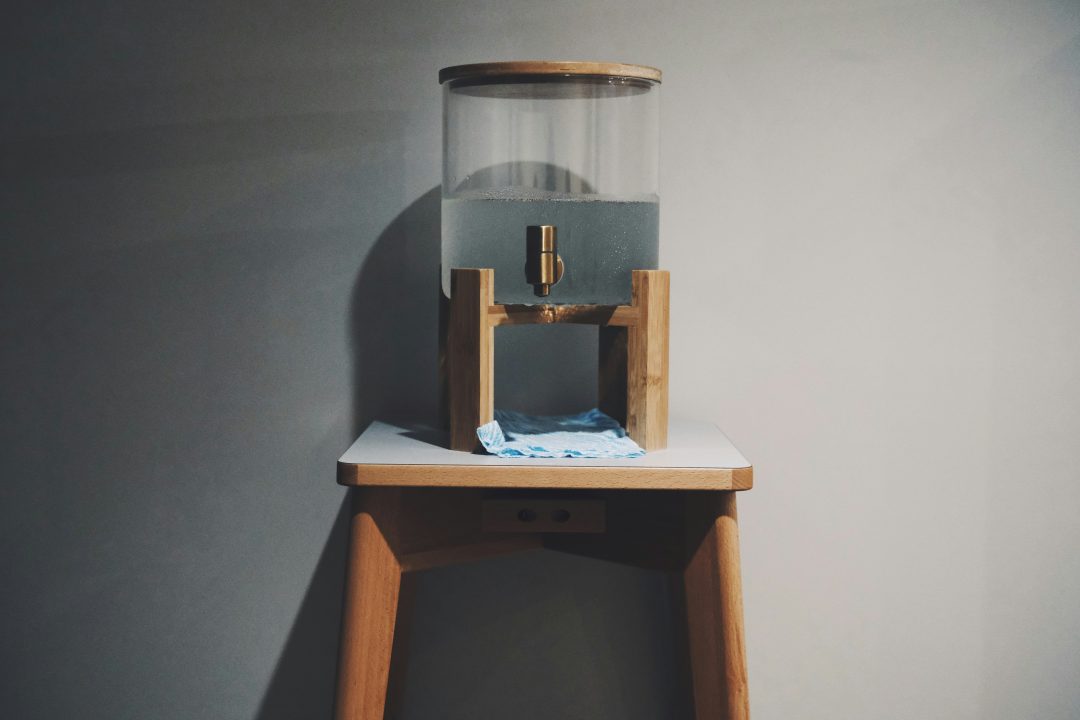
Water filters are designed to work under regular operating conditions. Water enters the system, moves through the filtration media, and leaves through the outlet. When a filter sits unused for days, weeks, or months, this process stops, but the filter does not become inactive in a neutral way. Inside the cartridge, water can remain trapped […]
Why Drinking Water Filtration Should Be Designed Around Daily Exposure, Not Occasional Testing
Drinking water testing is often treated as the main indicator of water safety. A sample is collected, a laboratory result is produced, and the water is judged based on that moment. Testing is important, but it does not always reflect how people are exposed to water every day. A water test captures a defined sample […]
Why Contaminant Mixtures Are Harder to Filter Than Single Substances

Water filtration is often discussed as if every contaminant can be treated separately. A filter is tested for lead, PFAS, chlorine taste, pesticides, microorganisms, or microplastics, and the result is usually presented as a specific reduction claim. In real water, however, contaminants rarely appear alone. Drinking water can contain a mixture of dissolved minerals, organic […]
The Role of Water Chemistry in Filtration: Why pH, Minerals, and Organic Matter Matter
Water filtration is often described as if performance depends only on the filter itself. The cartridge, membrane, carbon block, or filtration surface receives most of the attention. But filtration does not happen in isolation. It happens in real water, and real water has chemistry. The same filter can perform differently depending on the water it […]
Safe Disposal of Used Water Filters: Why Captured Contaminants Still Matter

Water filters are usually judged by what they remove from water. If a system can reduce PFAS, microplastics, pesticides, metals, or other trace contaminants, the focus is often on the treated water that comes out of the filter. But there is another side to filtration that is easily overlooked: the contaminants do not disappear simply […]
Filter Bypass in Water Treatment: How Poor Sealing Can Undermine Performance
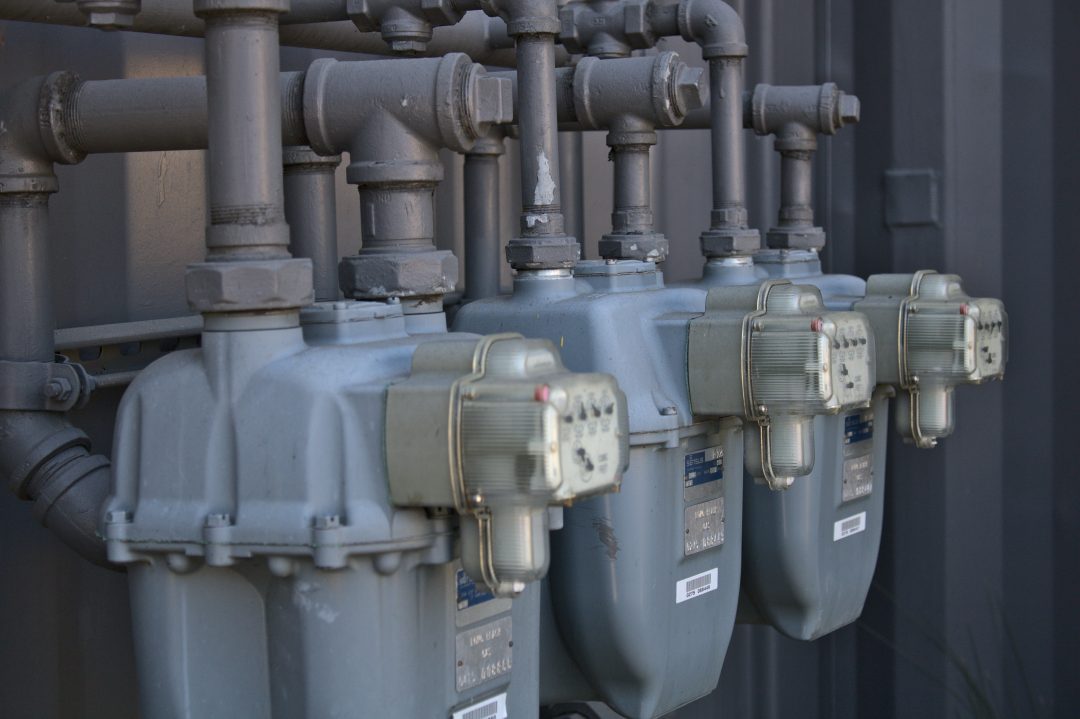
Water filters are often evaluated by the material inside the cartridge. Activated carbon, membranes, ion exchange resins, and advanced filtration surfaces all play an important role in contaminant reduction. But even the best filtration media can underperform if the water does not pass through it correctly. This is where filter bypass becomes critical. Filter bypass […]
Selective Filtration: Why Modern Water Treatment Must Target Specific Contaminants

Modern water treatment is often described with broad claims such as “pure water,” “clean water,” or “removes impurities.” These phrases may sound reassuring, but they are technically incomplete. Water contamination is not a single problem, and no filtration method should be evaluated as if every contaminant behaves the same way. Different contaminants require different treatment […]
Why Filter Lifetime Is Not Only About Time, But About Water Load
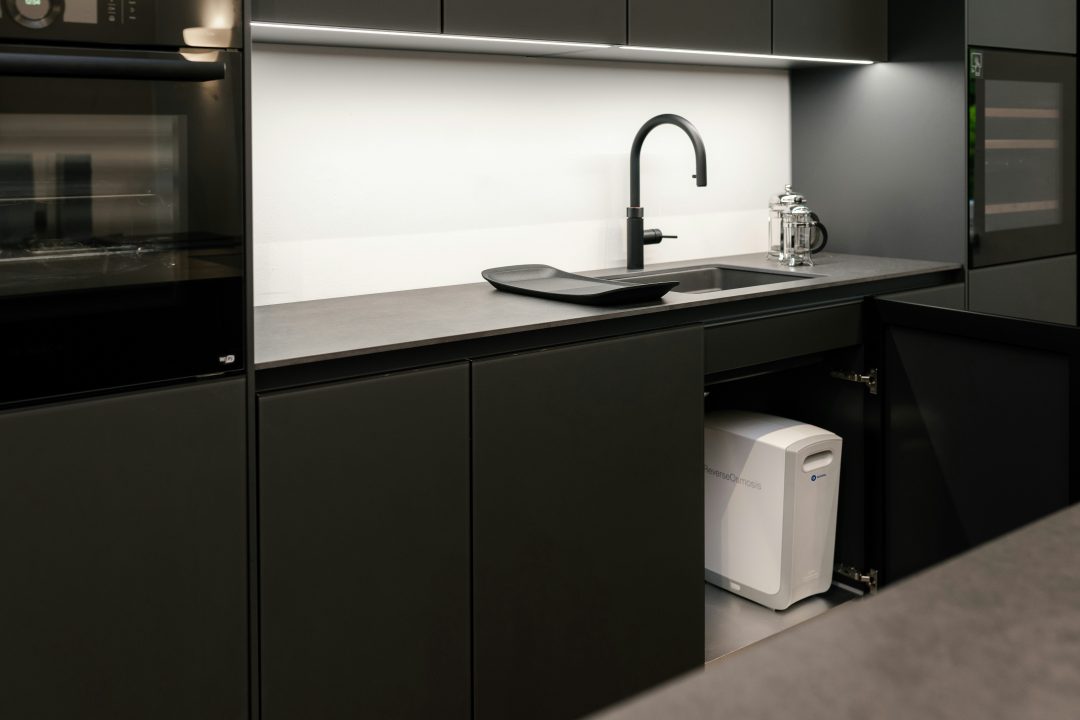
Water filters are often marketed with simple replacement intervals. A cartridge may be described as lasting three months, six months, or one year. This is easy for consumers to understand, but it can create a misleading impression. A filter does not age only by calendar time. It ages by the amount and quality of water […]
The Hidden Difference Between Removing Contaminants and Reducing Exposure

Water filtration is often discussed in simple terms: a contaminant is either removed or it is not. This makes filtration sound like a fixed technical result. In reality, removing contaminants from a water sample and reducing human exposure in daily life are related, but they are not the same thing. A filter may reduce certain […]
Why Multi-Stage Filtration Needs More Than Just More Filter Layers
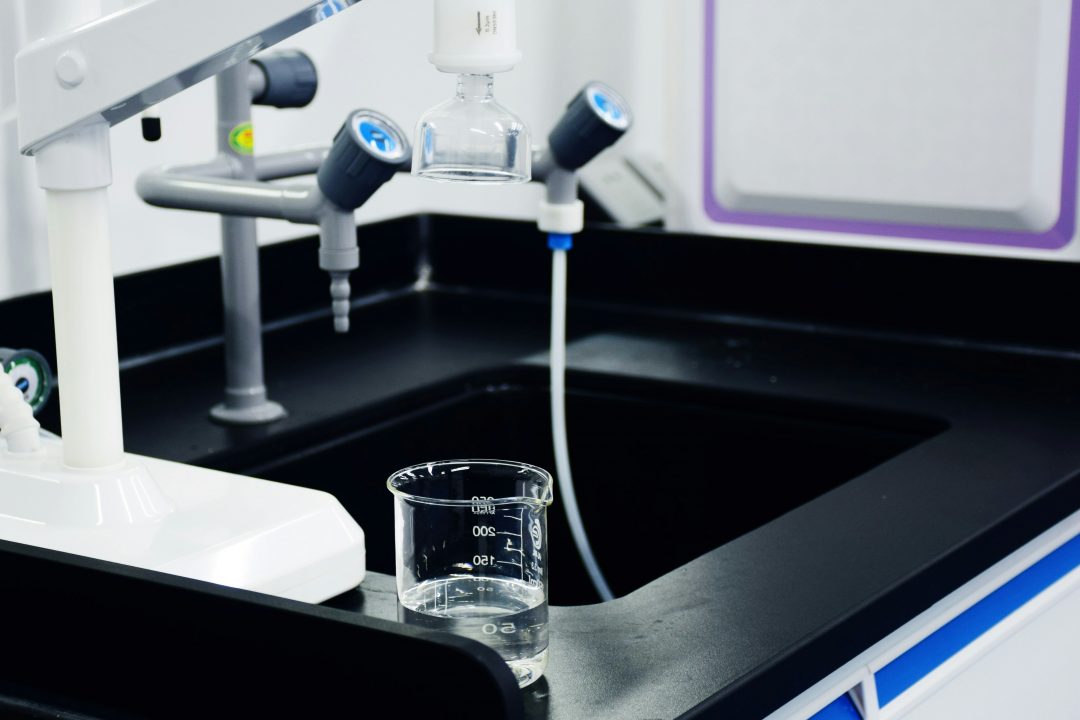
Multi-stage filtration is often presented as a sign of superior water treatment. The idea sounds simple: if one filter layer is good, several layers must be better. In practice, however, filtration performance does not depend only on the number of stages. It depends on whether each stage has a clear function, the right material, enough […]