Conductivity in Water: Real-Time Indicator of System Integrity
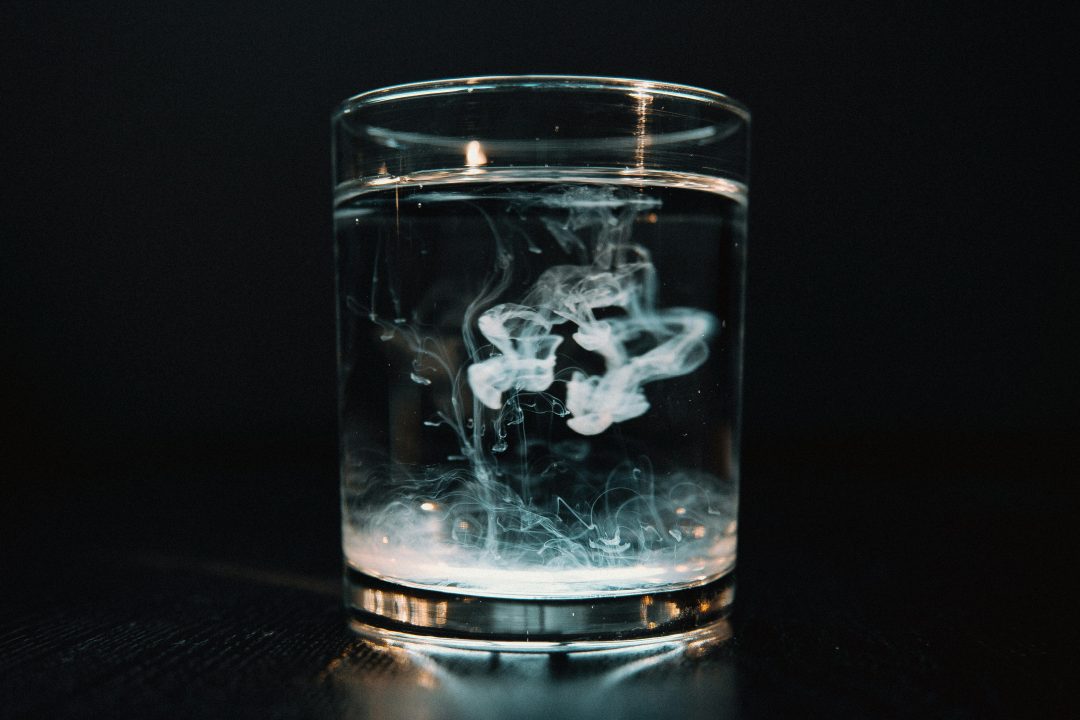
Electrical conductivity is one of the most efficient and widely used parameters for assessing water quality in real time. It measures the ability of water to conduct an electric current, which directly correlates with the concentration of dissolved ions such as salts, minerals, and inorganic contaminants. Unlike single-parameter measurements, conductivity provides a fast, aggregate indicator […]
Hardness in Water: Operational Risks and Treatment Strategies
Water hardness is a fundamental parameter in water chemistry that directly impacts infrastructure, industrial efficiency, and domestic use. It is primarily caused by dissolved calcium (Ca²⁺) and magnesium (Mg²⁺) ions. While not a direct health risk, unmanaged hardness leads to measurable technical and economic problems. Why Water Hardness Matters Hard water promotes scale formation. When […]
Innovative Methods for Removing Heavy Metals from Drinking Water: Techniques and Benefits

The presence of heavy metals in drinking water is a growing concern for public health worldwide. Contaminants such as lead, mercury, arsenic, and cadmium can enter water supplies through industrial processes, agricultural runoff, and even natural sources. Long-term exposure to these metals can lead to serious health issues, including neurological damage, kidney failure, and increased […]
Why Water Analyses Are Snapshots – and What That Means
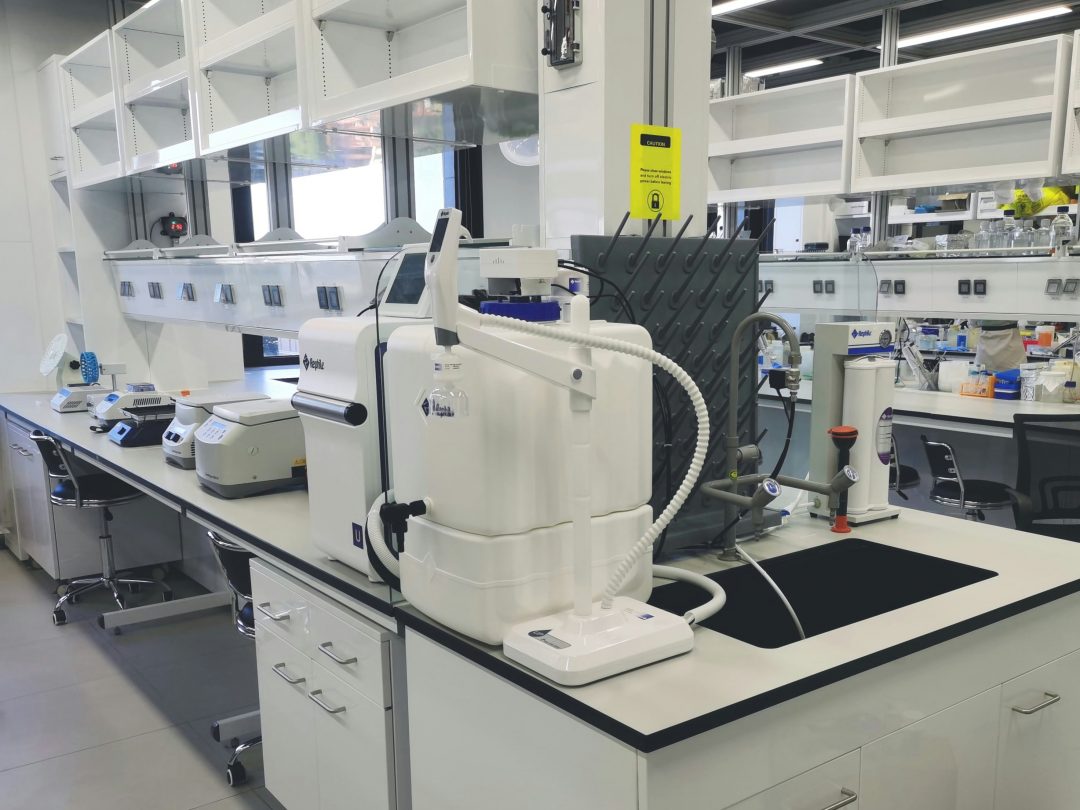
Water analysis provides precise measurements and is a key tool for evaluating drinking water quality. However, it is often overlooked that each analysis represents only a single point in time. This limitation has important implications for how results should be interpreted. Drinking water is a dynamic system, and its composition can change depending on multiple […]
Why First-Draw Water in the Morning Is Often More Contaminated
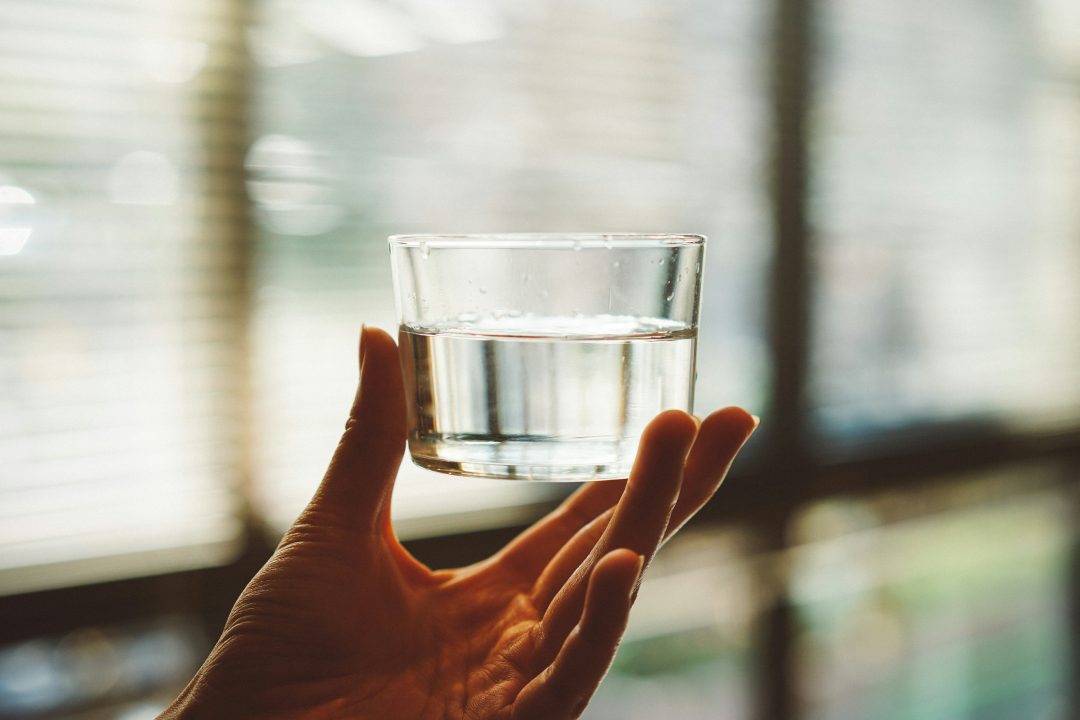
In most households, the first water used in the morning comes directly from the tap after several hours of inactivity. This “first-draw” water often differs in composition from water that flows after a short period of flushing. The reason lies in overnight stagnation within the plumbing system. During this time, water remains stationary in pipes, […]
Dissolved vs. Particulate Contaminants in Drinking Water
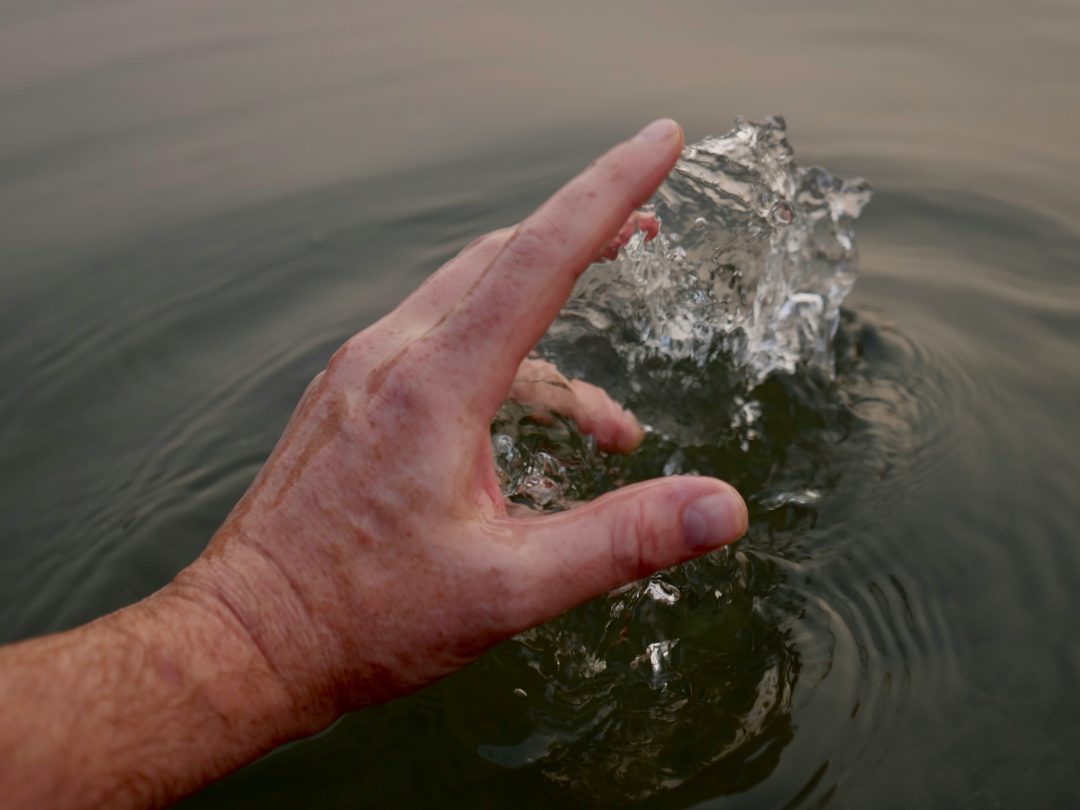
Drinking water can contain different types of contaminants that vary fundamentally in their physical form. A key distinction is between dissolved substances and particulate matter. These two categories behave differently in water and require different approaches for detection, interpretation, and treatment. Understanding this distinction is essential for accurate water quality assessment. Dissolved contaminants Dissolved substances […]
Biofilms in Pipes – Hidden Risks in Drinking Water Systems

Inside household plumbing systems, water is in constant contact with pipe surfaces. Over time, this environment enables the formation of biofilms — microscopic layers of microorganisms that attach to and grow on internal surfaces. Although invisible to the user, biofilms are a fundamental factor influencing drinking water quality within buildings. What are biofilms? Biofilms are […]
Why Point Measurements Miss Peak Exposure Moments

How drinking water exposure actually occurs Drinking water quality is usually described through measurements taken at specific points in time. A sample is collected, analyzed, and compared to reference values or limits. This approach is necessary for standardization and regulation, but it does not fully describe how exposure happens in real life. Exposure is not […]
Why Exposure Depends on Use, Not Just Water Quality
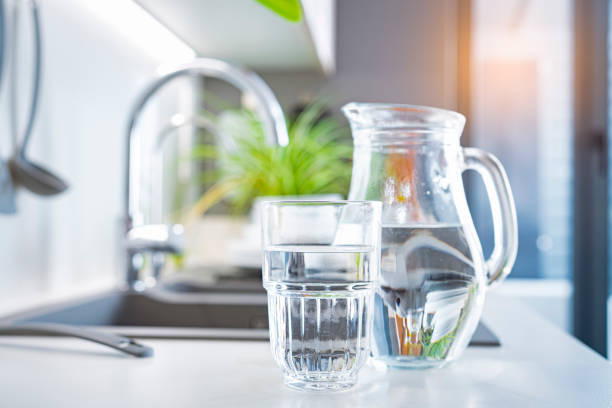
Water quality is only part of the exposure equation Discussions about drinking water often focus on measured concentrations. Test results, limits, and compliance status dominate how water quality is evaluated. While these parameters are important, they describe only one side of the exposure equation. Actual exposure depends not only on what is in the water, […]
Regulatory limits are not zero risk – how safety margins shape drinking water standards
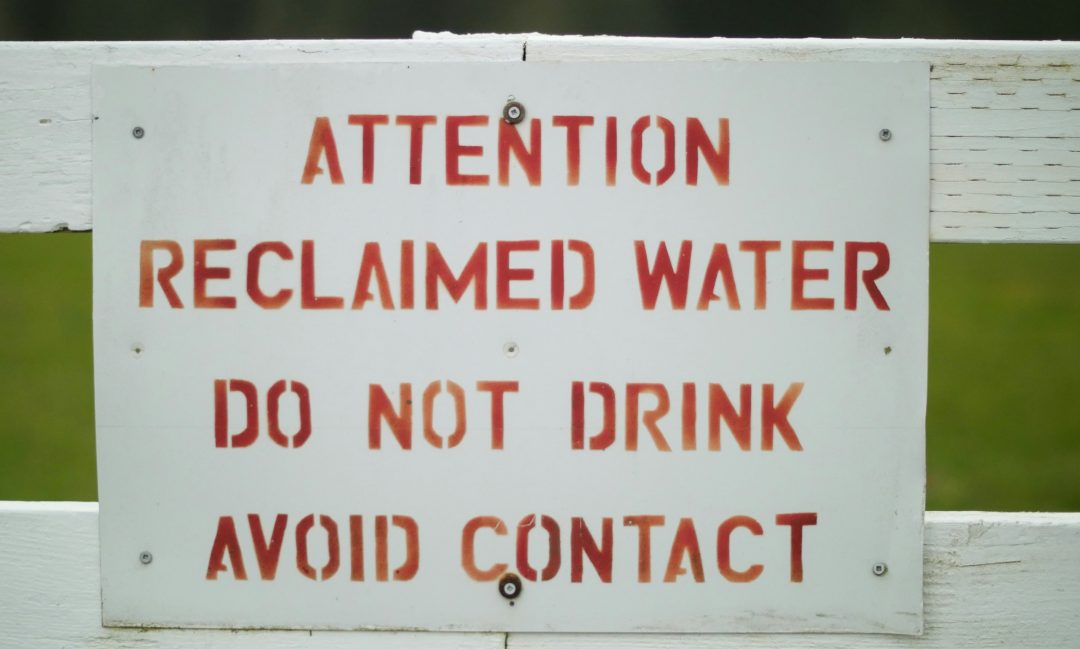
Drinking water limits are often perceived as strict boundaries between safe and unsafe. In reality, regulatory limits are not biological zero points. They are pragmatic thresholds designed to manage population-level risk using safety margins. Limit derivation typically starts with toxicological studies that identify doses at which no adverse effects are observed, such as NOAELs or […]