Household water filters are often treated as finished once they are installed. The unit is connected, water flows through it, and the assumption is that filtration performance begins immediately at a stable level. In practice, the first weeks after installation are an important operating phase that can determine how well the system performs over time.
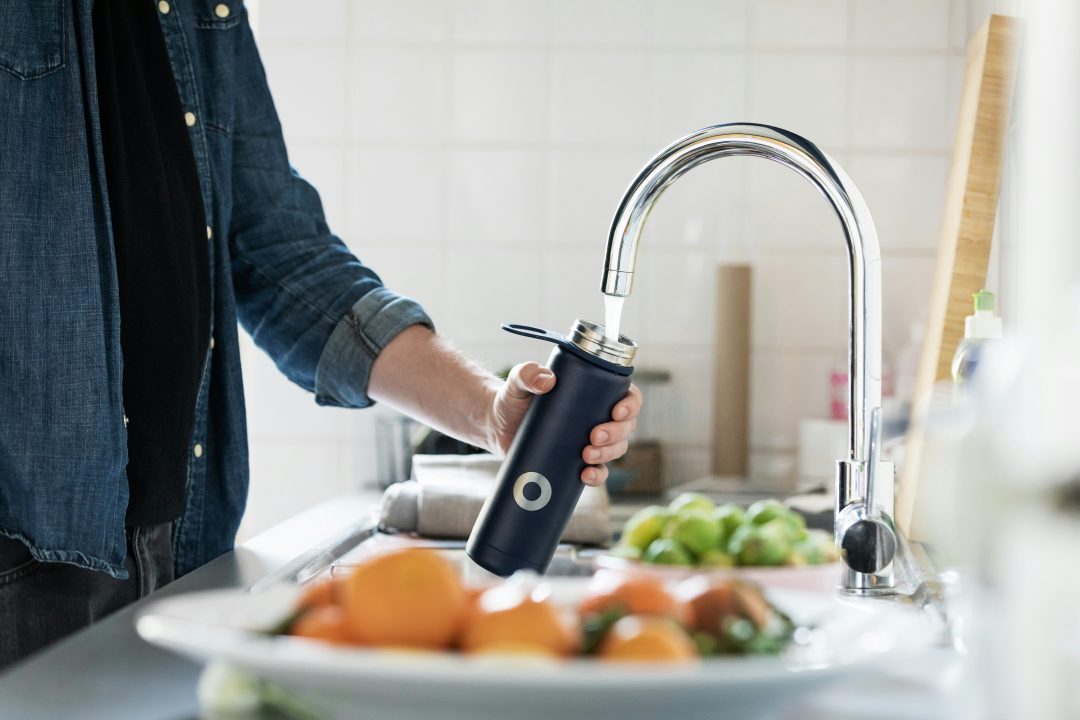
A new filter does not work in isolation. It becomes part of the household’s plumbing, water pressure, flow behavior, usage patterns, and maintenance habits. Point-of-use systems are designed to treat water at the location where it is used, such as a kitchen tap or under-sink outlet, especially for drinking and cooking water.
During the initial phase, correct setup matters. The system may need proper flushing, stable flow conditions, and careful checking for leaks, pressure changes, or irregular taste and odor. These early observations help confirm whether the filter is operating as intended or whether the installation has created avoidable problems.
One common mistake is assuming that the filter cartridge alone determines water quality. In reality, performance also depends on whether the right filter type was selected for the actual contaminants of concern. Filters that are effective for taste and odor are not automatically effective against microorganisms, heavy metals, PFAS, pesticides, or other trace contaminants. CDC guidance also notes that users should check a product’s label for the specific substances it is designed to remove.
Maintenance starts from the first day, not months later. Any filter needs to be maintained to keep working properly and to reduce the risk of microbial growth inside the unit. This includes replacing cartridges according to the manufacturer’s recommendations and handling replacements hygienically.
The first weeks are also important because household behavior quickly affects filtration performance. A filter used many times per day is exposed to different conditions than a filter used only occasionally. Long pauses, very high flow rates, or inconsistent use can influence contact time, pressure, and how water moves through the filter media.
This is especially relevant for adsorption-based filtration. Many systems use activated carbon, charcoal, or blended media to trap contaminants on internal surfaces. Over time, that available surface area becomes occupied, and the filter can no longer adsorb contaminants as effectively. Unlike mechanical clogging, this loss of adsorption capacity may not be obvious from flow rate alone.
Klar2O’s filtration approach is designed to address this problem by focusing not only on water clarity, but on targeted contaminant reduction. Its Smart-Surface technology is developed to interact precisely with unwanted substances such as microplastics, nanoplastics, PFAS, and other difficult contaminants. This makes correct installation and early use especially important, because advanced filtration should be supported by proper operation from the beginning.
In the first weeks after installation, users should pay attention to changes in flow, taste, odor, cloudiness, leakage, and cartridge behavior. These signs do not always mean the filter is failing, but they can indicate that the system needs flushing, adjustment, or inspection. Ignoring early warning signs can reduce confidence in the filter and may shorten its effective service life.
Another important point is replacement compatibility. Filter cartridges are not always interchangeable, even when they appear similar. NSF explains that small differences in cartridge size or quality can allow water to bypass the filter media or reduce filtration effectiveness.
In conclusion, household water filters should not be viewed as “install and forget” devices. The first weeks after installation are a critical period for flushing, observing performance, confirming correct use, and establishing proper maintenance habits. A well-designed filter can only deliver reliable results when it is installed, operated, and maintained correctly.
For more info visit klar2o.de.