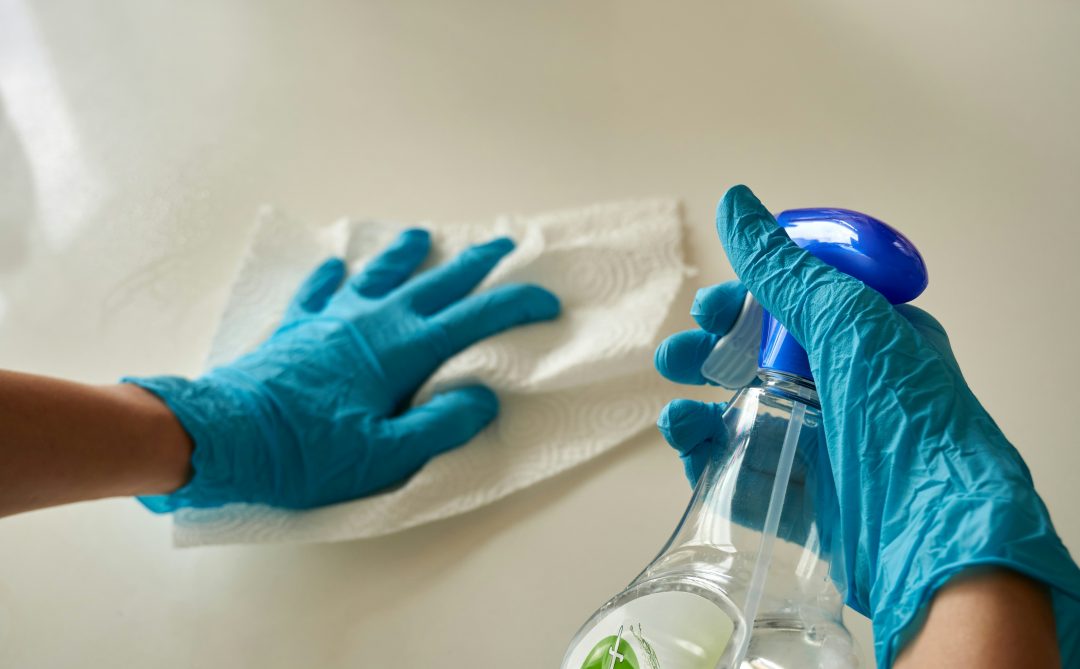
Disinfection is one of the most important steps in drinking-water treatment. It helps control bacteria, viruses, and other harmful microorganisms before water reaches homes. Without disinfection, tap water would carry a much higher risk of waterborne disease.
But there is a side effect.
When disinfectants such as chlorine, chloramine, ozone, or chlorine dioxide react with natural organic matter in water, they can form disinfection by-products, also known as DBPs. These compounds are not added intentionally. They are created during treatment or while water moves through pipes and storage systems.
Why DBPs Form
Source water is never completely pure. Rivers, lakes, reservoirs, and groundwater can contain natural organic matter from soil, plants, algae, and biological material. When this organic matter reacts with disinfectants, DBPs can form.
The amount of DBPs depends on several factors, including the type of disinfectant, organic matter level, water temperature, pH, contact time, and how long the water stays in the distribution system. This means DBP levels can vary between regions, seasons, and even different parts of the same water network.
Key limitation: disinfection makes water safer microbiologically, but it can also change water chemistry.
Common Disinfection By-Products
The most discussed DBPs include trihalomethanes and haloacetic acids. These are monitored in many drinking-water systems because long-term exposure at elevated levels can be a health concern.
Other DBPs can include bromate, chlorite, chlorate, and nitrosamines, depending on the treatment method and source water chemistry. Different disinfectants create different by-product profiles. Chlorine can form trihalomethanes and haloacetic acids. Ozone can form bromate when bromide is present. Chlorine dioxide can form chlorite and chlorate.
That is why DBPs should not be treated as one single substance. They are a group of compounds formed through different chemical reactions.
Taste Is Not a Reliable Warning Sign
Many people judge tap water by taste or smell. That is not enough.
A strong chlorine taste does not automatically mean DBP levels are high. At the same time, water can taste normal and still contain disinfection by-products. Clear water and good taste are not proof of chemical purity.
This is the hidden risk.
Consumers can easily notice smell, color, or taste, but they cannot detect most DBPs without proper water testing or official water-quality reports.
Why Water Distribution Matters
DBPs do not only form at the treatment plant. They can continue forming while water travels through the distribution system. Longer pipe networks, storage tanks, warm temperatures, and longer water age can increase reaction time.
This means the water leaving the treatment plant may not be exactly the same as the water arriving at the tap. Homes located farther from the treatment point may experience different disinfectant residuals and by-product levels than homes closer to the source.
Key limitation: treated water keeps reacting before it reaches the consumer.
Health and Safety Balance
Disinfection by-products matter because some have been linked to potential long-term health risks when exposure is high over time. This is why public water systems monitor and regulate specific DBPs.
However, removing disinfection completely is not the solution. Microbial contamination can create immediate and serious health risks. Drinking-water safety is a balance between controlling germs and minimizing chemical by-products.
The goal is not untreated water. The goal is optimized water treatment.
Can Home Filtration Help?
Home filtration can help reduce certain disinfectants, taste, odor, and selected disinfection by-products, depending on the technology used. Activated carbon is commonly used because it can reduce chlorine taste and some organic compounds when the filter is properly designed and maintained.
But not every filter removes DBPs equally.
A filter certified only for chlorine taste reduction is not automatically certified for disinfection by-products. Filter performance depends on contact time, carbon quality, cartridge condition, flow rate, and the specific contaminant. Poor maintenance can also reduce performance.
For DBP reduction, users should look for contaminant-specific performance data instead of relying only on general “better water” claims.
Control and Prevention Strategies
Reducing DBP exposure starts with understanding the water-quality problem. Consumers should review local water-quality reports, check whether DBPs are monitored in their area, and choose filtration systems based on certified performance.
Filters should be replaced on time and used according to manufacturer instructions. Old cartridges may lose effectiveness, even if the water still tastes acceptable. For households concerned about DBPs, taste improvement alone is not enough.
A practical rule is simple: choose the filter for the contaminant, not just for the taste.
Conclusion
Disinfection is essential for safe drinking water, but it can also create disinfection by-products when disinfectants react with natural substances in the water. These by-products are often invisible, tasteless, and impossible to judge without proper monitoring.
The main risk is false confidence. Tap water may look clear and taste normal while still containing chemical by-products from the treatment process.
Effective protection requires balanced water treatment, reliable monitoring, and suitable filtration when needed. Ignoring disinfection by-products means assuming that treated water has no chemical side effects. That assumption is technically wrong.
For more information, visit klar2o.de.