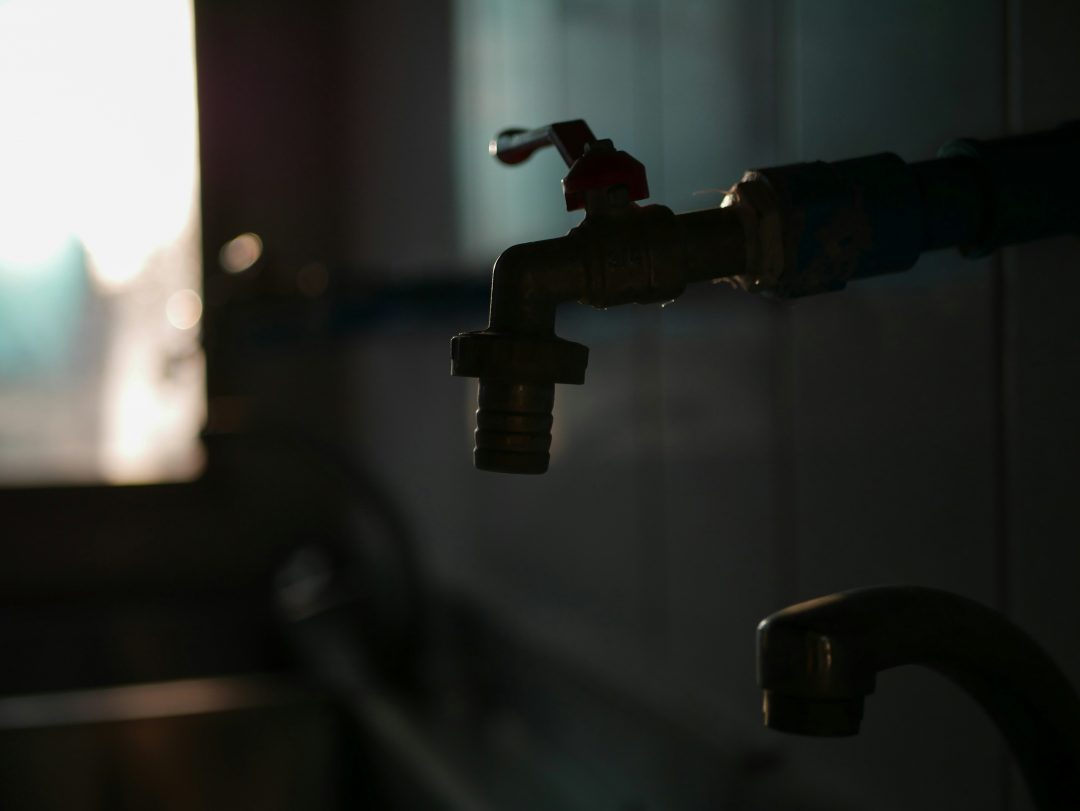
Within household plumbing systems, certain sections experience little to no regular water flow. These include so-called dead legs — pipe sections with no active circulation — as well as low-use outlets such as guest bathrooms, outdoor taps, or rarely used fixtures.
These areas create unique conditions that can significantly influence water quality, yet they are often overlooked.
What are dead legs?
Dead legs are sections of plumbing where water remains stagnant for extended periods due to a lack of regular flow. Similarly, low-use outlets behave in a comparable way, as water exchange occurs only intermittently.
In both cases, water remains in prolonged contact with pipe materials and internal surfaces.
Stagnation as the key driver
The defining characteristic of these zones is stagnation. Extended residence time allows physical, chemical, and microbiological processes to develop more intensively than in regularly flushed sections.
Without dilution or renewal, changes in water composition can accumulate and persist.
Chemical changes
During stagnation, substances can migrate from pipe materials, fittings, and seals into the water. The longer the stagnation period, the higher the potential concentration of these substances.
This effect is particularly relevant in older systems or installations with material combinations prone to leaching.
Microbiological activity and biofilms
Stagnant conditions promote microbial growth and biofilm formation. These biofilms provide a stable environment for microorganisms and can act as reservoirs within the system.
When flow resumes, parts of these biofilms or associated microorganisms can detach and enter the water stream.
System-wide implications
Although dead legs are localized, their effects are not necessarily confined to those sections. Changes in flow or pressure can mobilize accumulated particles or microorganisms, distributing them throughout the system.
This means that localized stagnation zones can influence water quality at distant outlets.
Practical implications for households
Understanding these risk zones is important for managing water quality at the point of use.
Recommended actions:
• Regularly flush rarely used outlets
• Avoid long-term inactivity in plumbing sections
• Identify and eliminate unnecessary dead legs where possible
• Monitor water quality in low-use areas
Conclusion
Dead legs and low-use outlets represent critical but often underestimated risk zones in plumbing systems. Stagnation in these areas promotes chemical and microbiological changes that can affect overall water quality.
A comprehensive assessment of drinking water quality must therefore include these low-flow sections within the system.
Learn more at klar2o.com