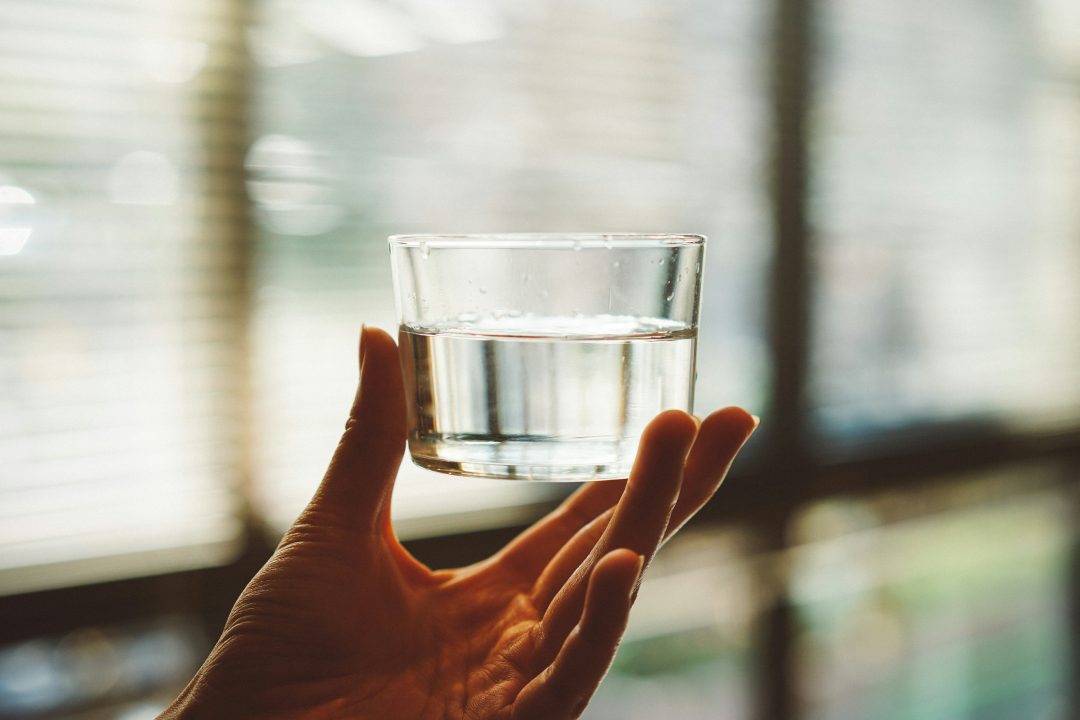
In most households, the first water used in the morning comes directly from the tap after several hours of inactivity. This “first-draw” water often differs in composition from water that flows after a short period of flushing. The reason lies in overnight stagnation within the plumbing system.
During this time, water remains stationary in pipes, creating conditions that allow chemical and microbiological processes to develop.
Overnight stagnation
While no water is used, it remains in direct contact with pipe materials, fittings, and internal surfaces for extended periods. This prolonged contact time enables interactions that would otherwise be minimized by continuous flow.
As a result, the water quality at the point of use can change significantly during these inactive periods.
Increased concentration of dissolved substances
Material migration is one of the primary effects of stagnation. Substances from plumbing materials can dissolve into the water, including metals such as lead, copper, or nickel, depending on the system configuration.
Without dilution from fresh water, these substances can accumulate, leading to higher concentrations in first-draw water compared to water drawn after flushing.
Microbiological activity and biofilms
Stagnant conditions also support microbiological processes. Microorganisms can multiply or detach from existing biofilms inside the pipes.
These microorganisms may not be visible but can influence taste, odor, and microbiological quality. Even if incoming water meets regulatory standards, in-building conditions can alter its characteristics.
Temperature as an influencing factor
Water left in pipes overnight equilibrates with ambient temperature. In warmer conditions, this can accelerate both chemical reactions and microbial growth.
The combined effect of temperature and stagnation increases the likelihood of measurable differences in first-draw water quality.
Practical implications for households
Understanding first-draw effects is essential for interpreting water quality at the tap.
Recommended actions:
• Flush taps for a short period in the morning
• Avoid consuming water that has stagnated overnight
• Pay attention to changes in taste or odor
• Consider testing water under realistic usage conditions
Conclusion
First-draw water in the morning often differs from subsequently flushed water due to stagnation-related processes. These include increased concentrations of dissolved substances and enhanced microbiological activity.
Recognizing these effects is key to accurately assessing drinking water quality in real household conditions.
Learn more at klar2o.com