
Why Microplastics and PFAS Are Two Very Different Filtration Challenges
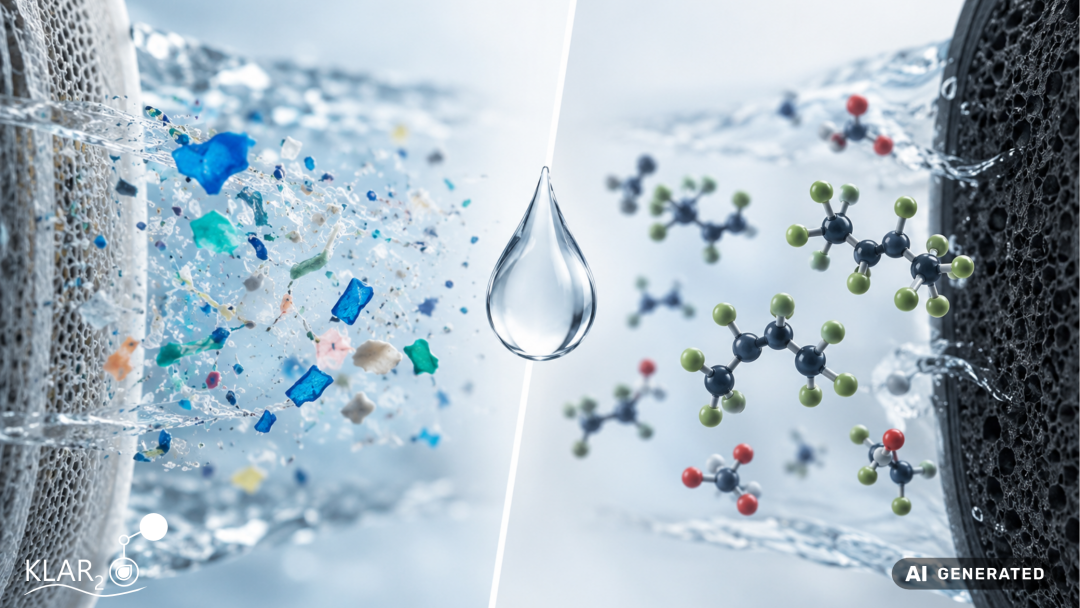
Microplastics are particles, while PFAS are dissolved chemicals. Learn why these contaminants require different filtration mechanisms and treatment strategies.
Why Some PFAS Are Harder to Remove Than Others
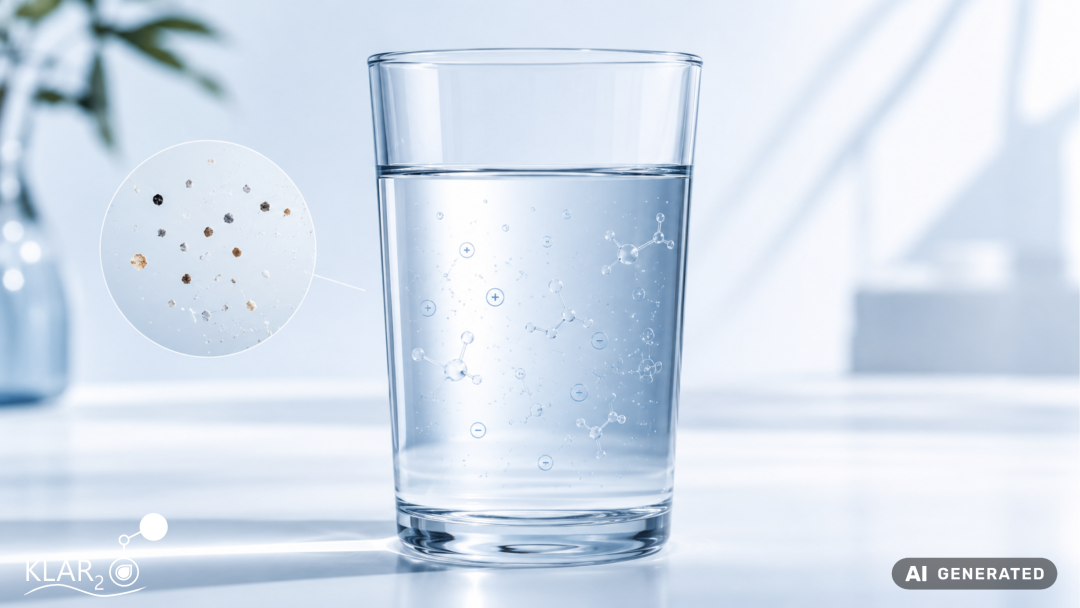
Not all PFAS behave the same way. Learn why chain length, molecular structure, water chemistry and filter material affect how easily different PFAS can be removed.
Why Water Chemistry Matters More Than a Filter’s Marketing Claim
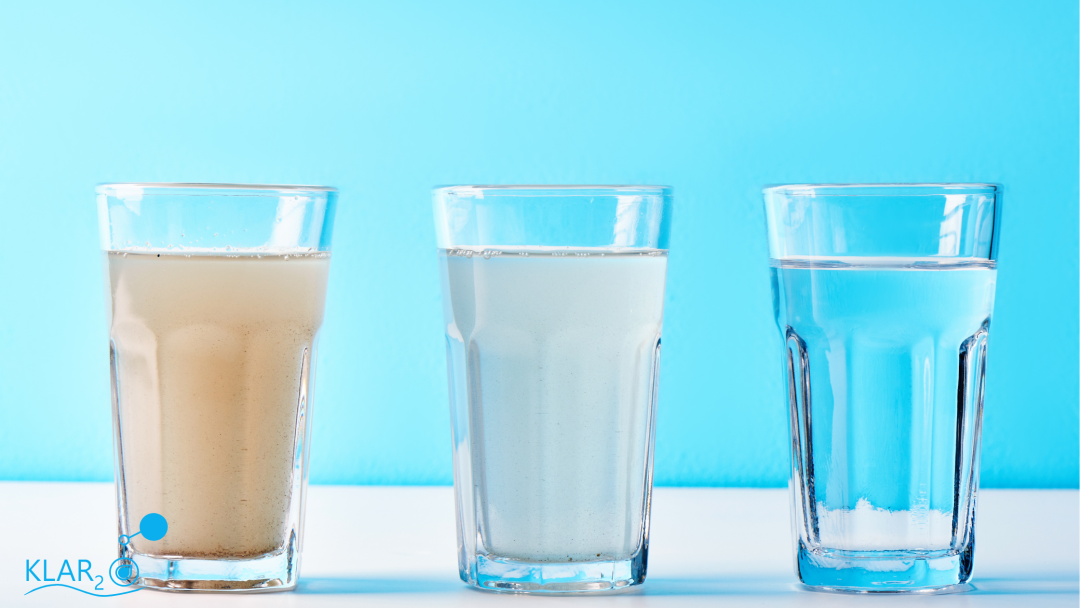
A filter’s performance depends on the water it treats. Learn how pH, minerals, organic matter, concentration and flow rate can change real-world filtration results.
What Happens to a Pollutant After a Filter Removes It?
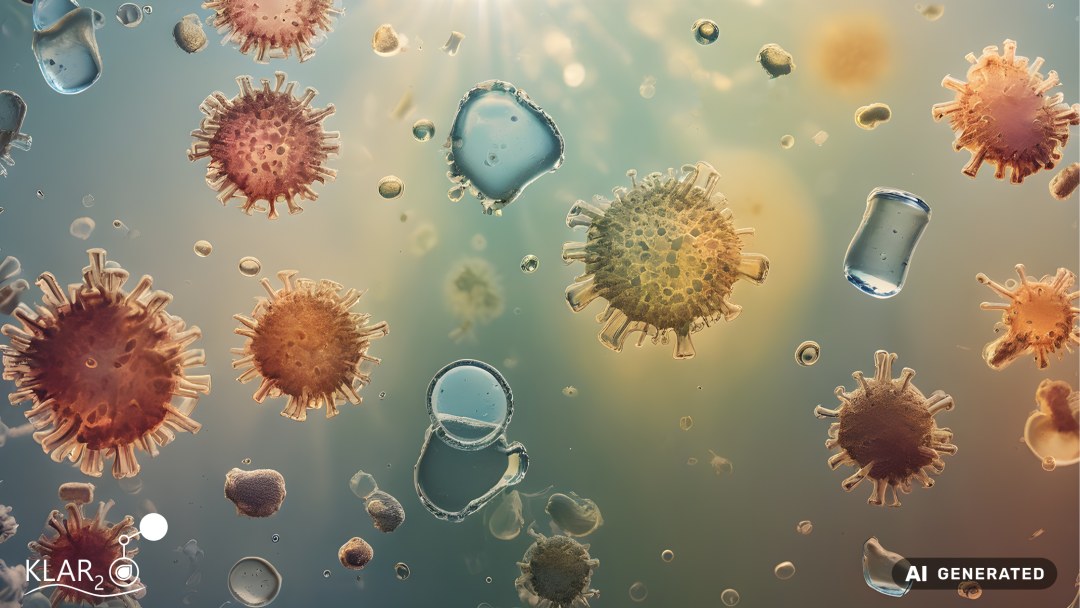
A filter does not make pollutants disappear. Learn what happens to contaminants after filtration, from adsorption and breakthrough to regeneration, reuse and disposal.
Why PFAS Can Move Through the Environment So Easily
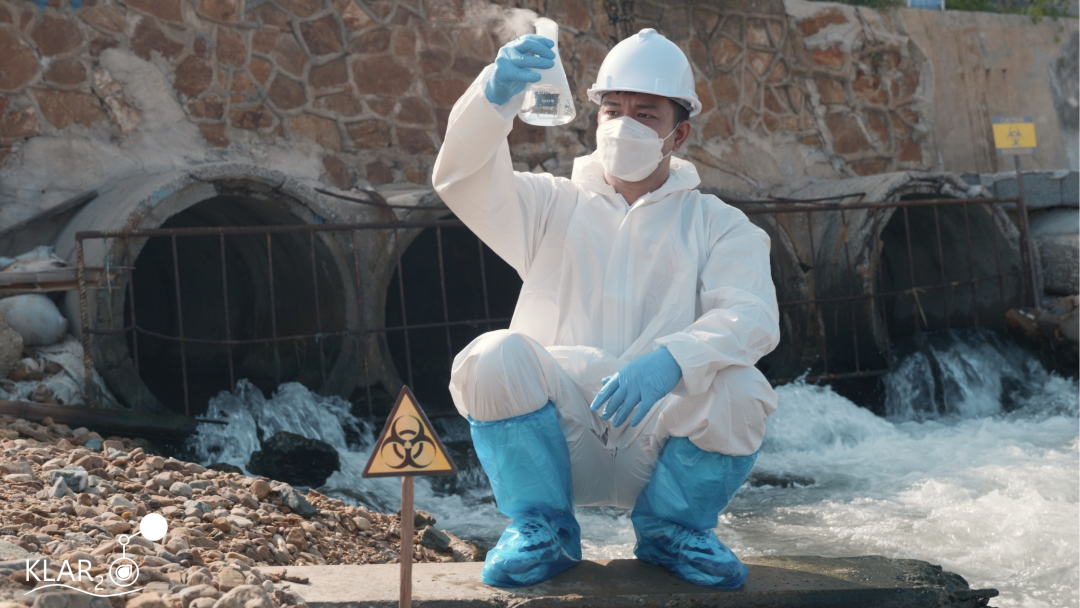
Why can PFAS travel so far through the environment? Learn how water, soil, groundwater, chain length and chemical structure influence PFAS mobility.
Can Nature Filter Water? How Soil, Roots and Wetlands Remove Pollutants

Can nature filter water? Explore how soil, roots, sediments and wetlands naturally remove or retain pollutants, where these processes work and where they reach their limits.
What Does “Trace Contaminant” Actually Mean in Drinking Water?
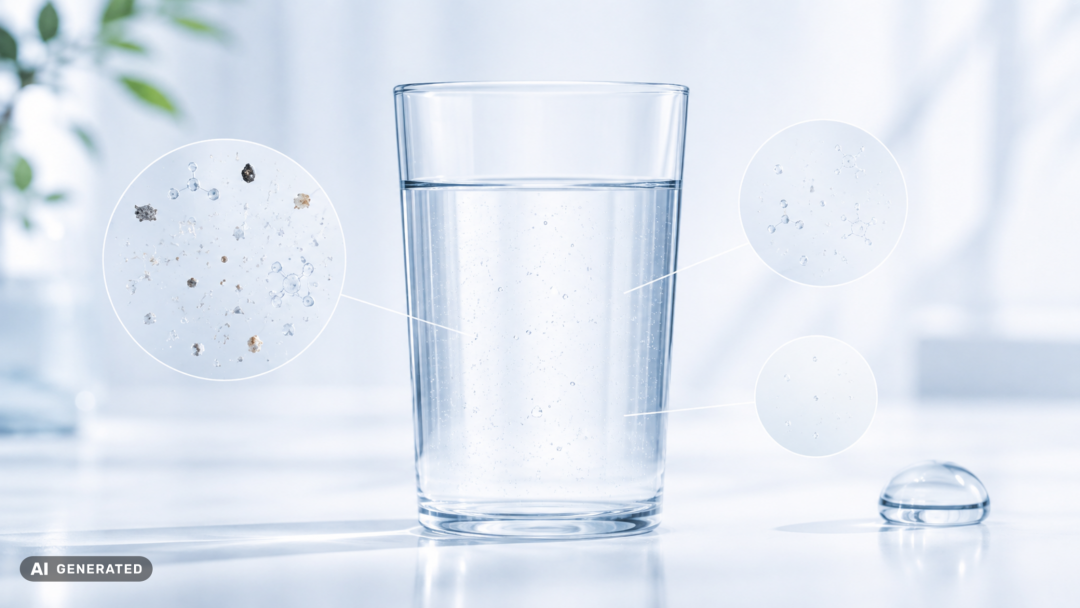
Modern laboratories can detect chemicals at microgram and nanogram levels. Learn how to read these tiny concentrations, what detection limits mean and why presence alone does not determine health relevance.
TFA in Drinking Water: Why the Smallest PFAS Is So Difficult to Remove
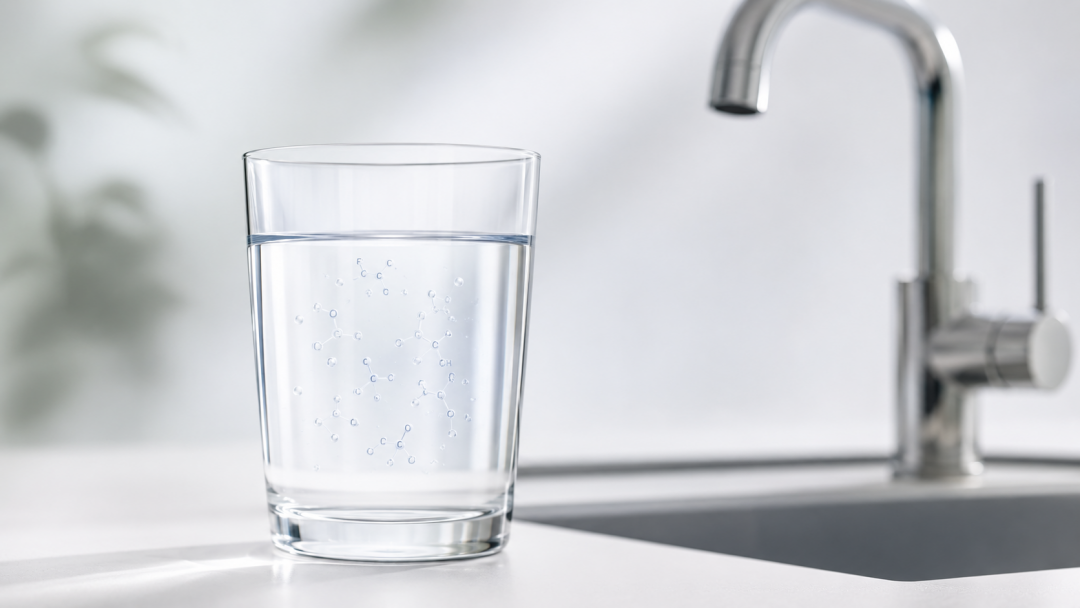
When PFAS are discussed, well-known compounds such as PFOS and PFOA usually receive the most attention. Trifluoroacetic acid, or TFA, differs significantly from these substances: it is extremely small, highly soluble in water and moves almost unhindered through soils, water bodies and many treatment processes. In water, it is predominantly present as the negatively charged […]