
Can Water Filters Become Part of a Circular Economy?
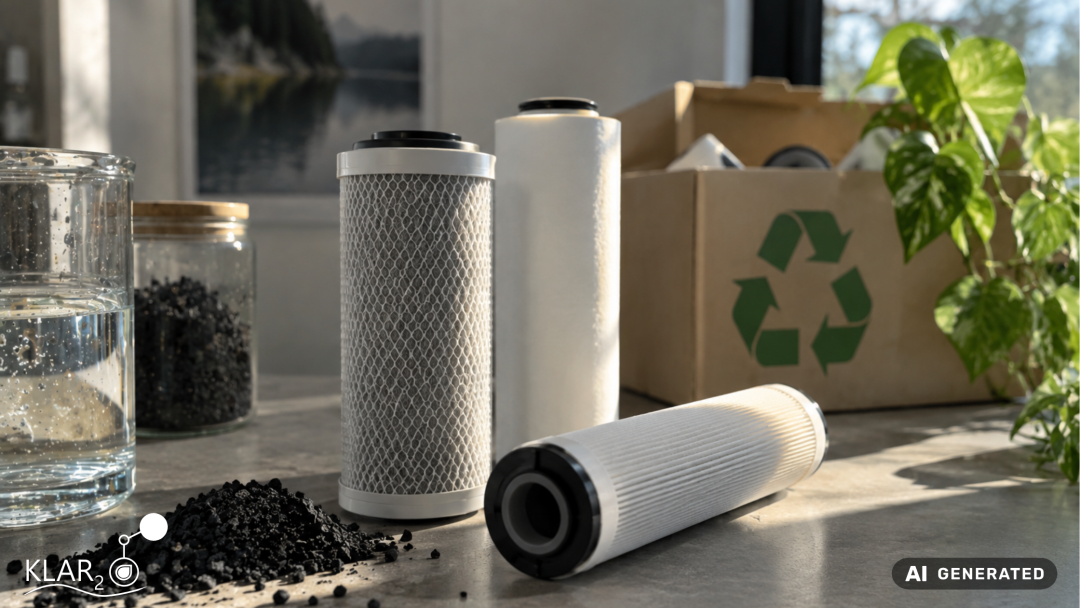
Can water filters become part of a circular economy? Explore regeneration, reusable filter media, material recovery and how filtration can move beyond single-use cartridges.
What Happens When Water Meets Plastic? From Pipes to Packaging
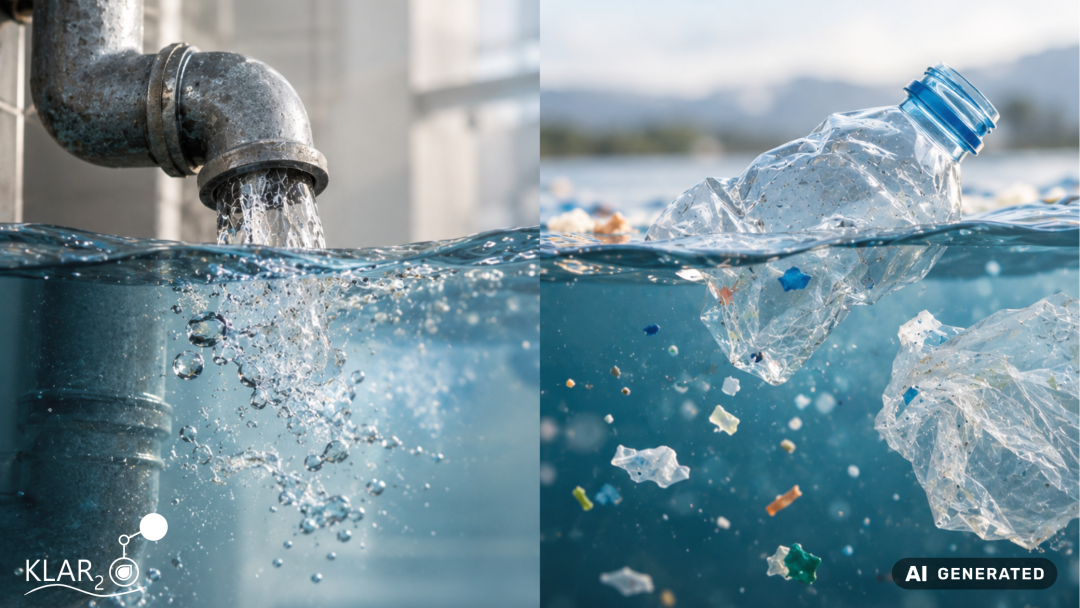
What happens when drinking water meets plastic? Explore pipes, bottles, packaging, migration, microplastics and why material choice matters for water quality.
From Activated Carbon to Smart Surfaces: How Filter Materials Are Evolving
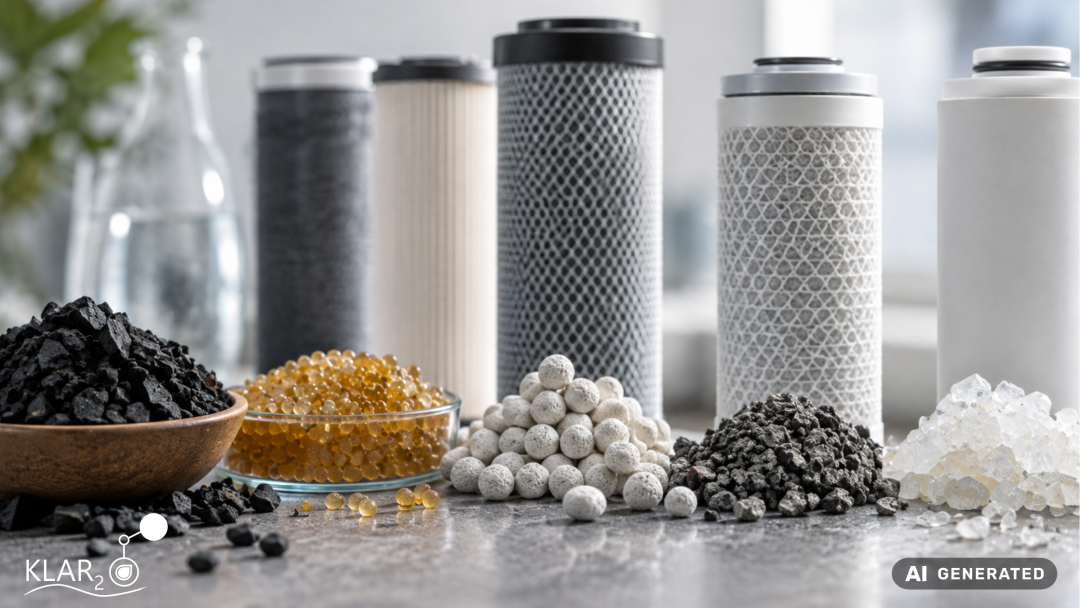
From activated carbon to engineered smart surfaces, filter materials are evolving. Learn how adsorption, surface chemistry and selective interactions are shaping modern water filtration.
Why Microplastics and PFAS Are Two Very Different Filtration Challenges
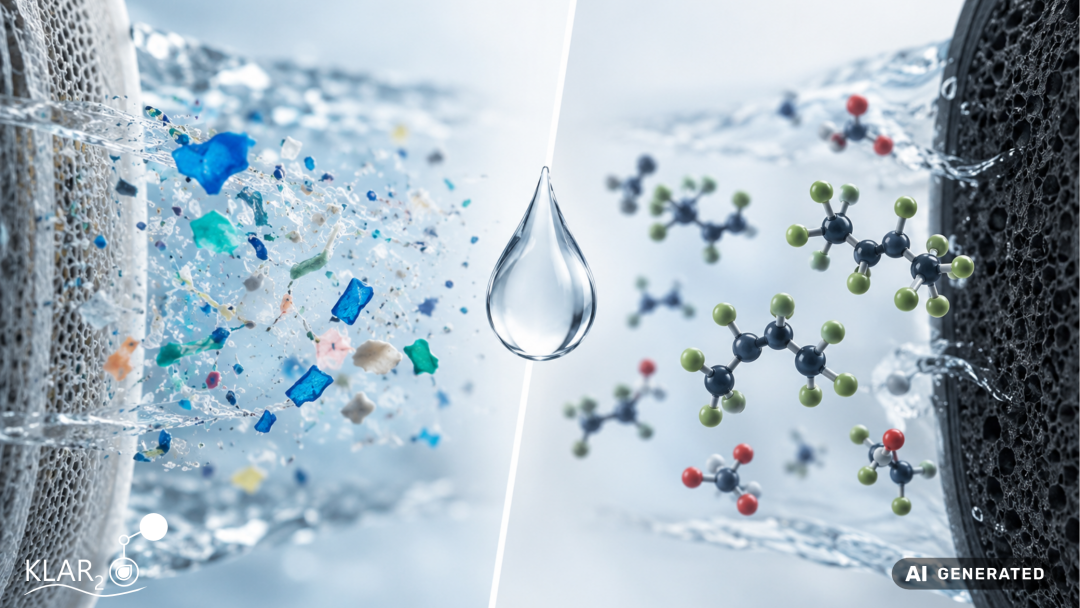
Microplastics are particles, while PFAS are dissolved chemicals. Learn why these contaminants require different filtration mechanisms and treatment strategies.
Why the Future of Water Filtration May Be Circular Instead of Disposable
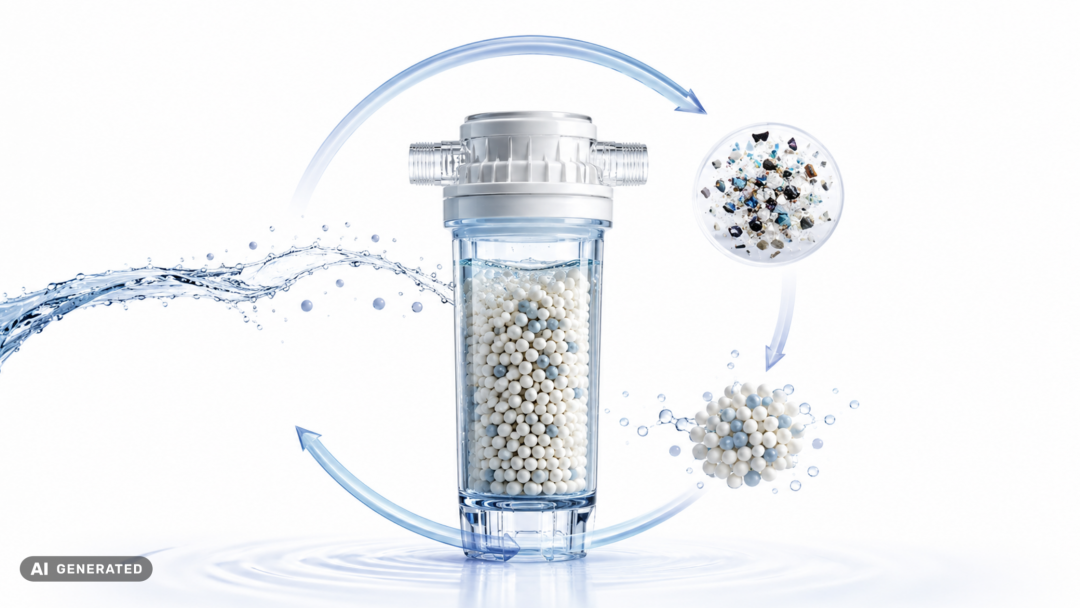
Water filters remove contaminants but also create spent media. Discover how regeneration, reusable filter materials and closed material loops could shift water treatment from disposable cartridges toward a circular model.
Where Do Microplastics in Drinking Water Actually Come From?
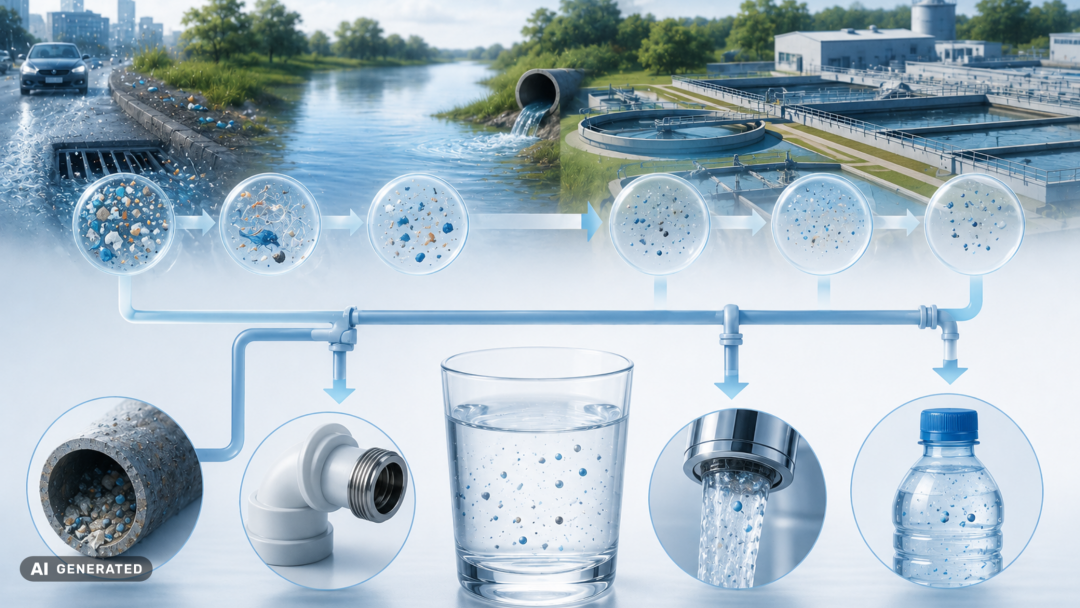
Microplastics can enter drinking water at several points. Explore the evidence for runoff, wastewater, treatment, distribution infrastructure, bottles and caps — and why identifying the source matters.
Adsorption vs. Mechanical Filtration: Two Different Ways to Clean Water
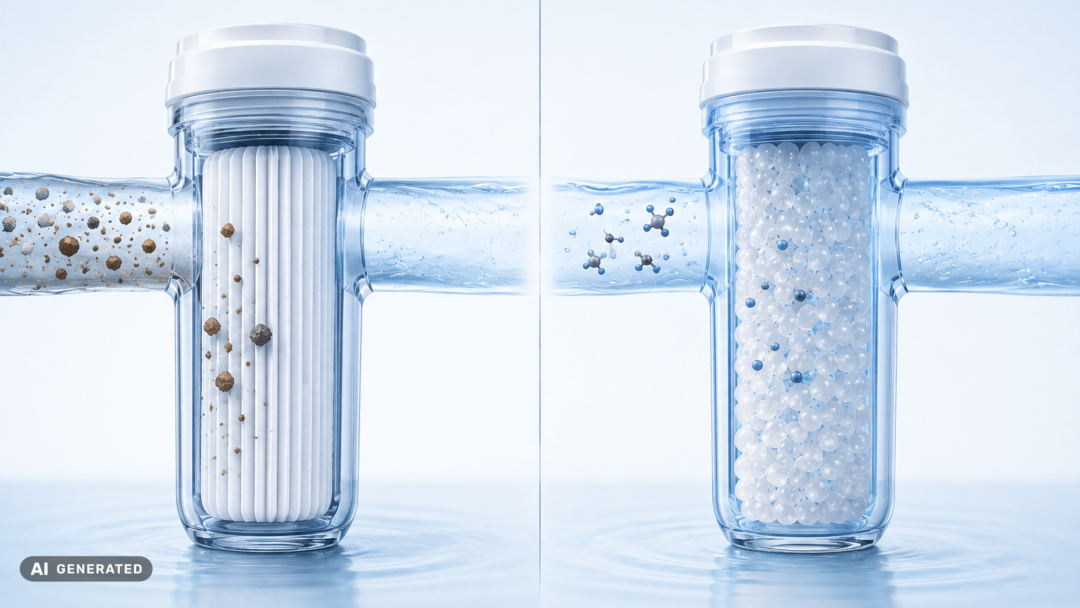
Not every water filter works by blocking particles. Learn how mechanical filtration differs from adsorption, why pore size is only part of the story and how engineered surfaces open new approaches to water treatment.
The Illusion of “Certified Safe”: What Water Certifications Do — and Don’t — Cover

When consumers see terms like certified, approved, or compliant in relation to drinking water, they tend to associate them with safety. While certifications play an important role in public health, they are often misunderstood. Certified safe does not mean biologically irrelevant, and compliance does not equate to zero exposure. What Water Certifications Are Designed to […]
Plastic Pollution and the Gut-Brain Axis — New Clues from Microbiome Research
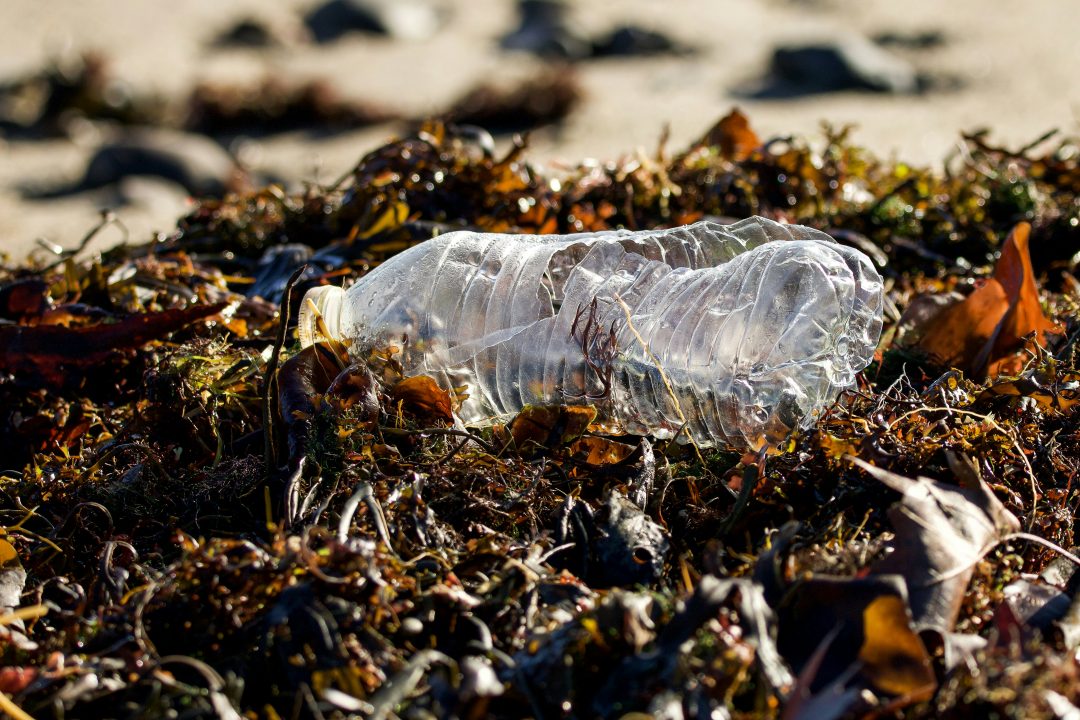
How Microplastics Disrupt the Body’s Communication NetworkThe gut and the brain are closely linked through a complex biochemical pathway known as the gut–brain axis. Recent studies (Nature Reviews Microbiology, 2024) reveal that micro- and nanoplastics can alter the gut microbiome — the community of beneficial bacteria that regulate digestion, mood, and immunity.When plastic particles enter […]
Klar2O’s 2024 Milestones – A Year of Growth, Innovation, and Impact

As we look back on 2024, it’s hard to put into words how proud and grateful we are for everything Klar2O has achieved. This year marked a turning point in our journey toward tackling the global microplastics crisis and ensuring cleaner, safer water for all