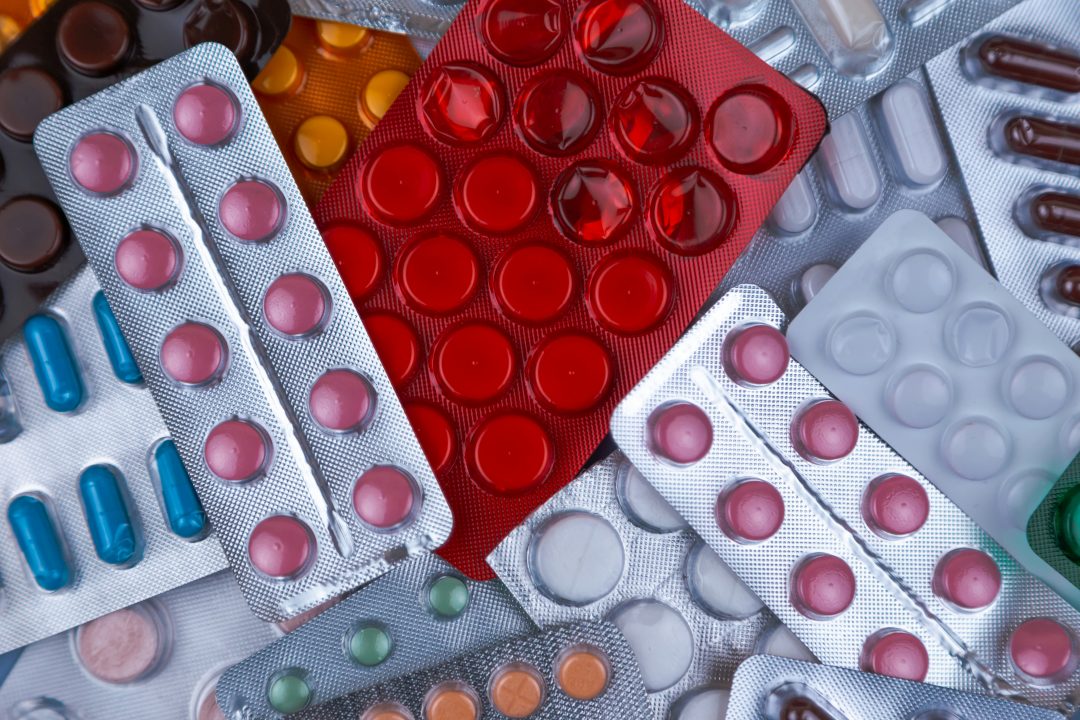
Pharmaceutical residues are becoming an important topic in drinking-water quality. They include traces of medicines, hormones, antibiotics, painkillers, contrast agents, and other compounds that can enter wastewater through human use, hospitals, households, agriculture, and improper disposal. These substances are usually found at very low concentrations, but their presence shows how closely drinking water is connected to modern consumption, wastewater treatment, and source-water protection.
The main issue is not that every trace amount creates an immediate health risk. The bigger issue is that pharmaceutical residues reveal the limits of conventional water systems. Many treatment plants were designed primarily to manage particles, organic load, nutrients, pathogens, and standard chemical parameters. They were not originally built to remove every modern trace compound from complex water streams.
Why Pharmaceutical Residues Matter
Pharmaceutical residues are difficult to understand because they are invisible to the user. Water can look clear, taste normal, and meet many routine quality parameters while still containing trace organic compounds. This makes them different from problems such as turbidity, bad taste, odor, or visible particles.
These compounds can enter surface water and groundwater after wastewater discharge, landfill leakage, agricultural runoff, or incorrect disposal of unused medicines. Once they enter the water cycle, their behavior depends on chemical structure, persistence, dilution, degradation, and treatment conditions. Some compounds break down more easily. Others remain stable enough to pass through several environmental and technical barriers.
Key limitation: clear water does not mean trace-compound-free water.
This is why pharmaceutical residues are often called contaminants of emerging concern. They are not always new substances, but they are becoming more visible because analytical methods are now sensitive enough to detect them at extremely low levels.
Why Standard Treatment May Not Remove Everything
Conventional drinking-water treatment can reduce many unwanted substances, but it does not remove all pharmaceutical residues equally. Removal depends on the compound, treatment process, contact time, oxidation behavior, adsorption capacity, membrane performance, and the overall design of the treatment system.
Activated carbon, ozonation, advanced oxidation, reverse osmosis, and selected membrane systems can be relevant for reducing certain trace organic compounds. But no single treatment step should be assumed to remove every pharmaceutical residue. A system that works well for one compound may perform poorly for another.
Key limitation: pharmaceutical residue reduction is compound-specific.
This matters for household filters as well. A filter that improves taste or reduces chlorine is not automatically proven to reduce pharmaceutical residues. Without specific laboratory testing, the claim should not be assumed. General wording such as “removes impurities” is too vague for a technical water-quality decision.
What This Means for Household Drinking Water
For households, pharmaceutical residues are not something that can be judged by smell, taste, or appearance. The only reliable way to understand the issue is through water analysis, source-water information, and verified treatment data. This is especially relevant in areas influenced by wastewater discharge, intensive agriculture, hospitals, or industrial activity.
The practical point is simple: filter choice should follow the actual water-quality problem. If the concern is pharmaceutical residues, users should look for systems with relevant test data for trace organic compounds, not only basic taste or odor improvement. Certification, laboratory reports, cartridge capacity, and replacement intervals are more important than broad marketing claims.
Improper maintenance can also reduce performance. Even a suitable filter can lose effectiveness when cartridges are exhausted, flow rates are too high, or the system is used beyond its service life. Trace-compound reduction depends on controlled contact between water and treatment media. If that control is lost, performance becomes uncertain.
Control and Prevention Strategies
The strongest strategy is not only end-of-pipe filtration. Source control matters. Medicines should not be flushed down toilets or sinks. Unused pharmaceuticals should be returned through proper disposal systems where available. Hospitals, industry, wastewater plants, regulators, and households all play a role in reducing the load entering the water cycle.
For technical water treatment, the focus should be on targeted analysis and verified performance. Broad assumptions are weak. A treatment system should be selected based on the compounds of concern, water chemistry, expected flow rate, treatment capacity, maintenance plan, and independent test data.
Conclusion
Pharmaceutical residues show that modern drinking-water quality is no longer only about traditional parameters. Trace compounds can move through wastewater systems, enter source waters, and challenge treatment technologies that were not designed for every modern chemical.
The correct response is not panic. The correct response is better monitoring, responsible medicine disposal, source control, and verified treatment performance. Assuming that clear tap water or a standard filter automatically removes pharmaceutical residues is technically wrong.
For more information, visit klar2o.de.