Endocrine Disruptors in Everyday Water — The Silent Hormonal Imbalance
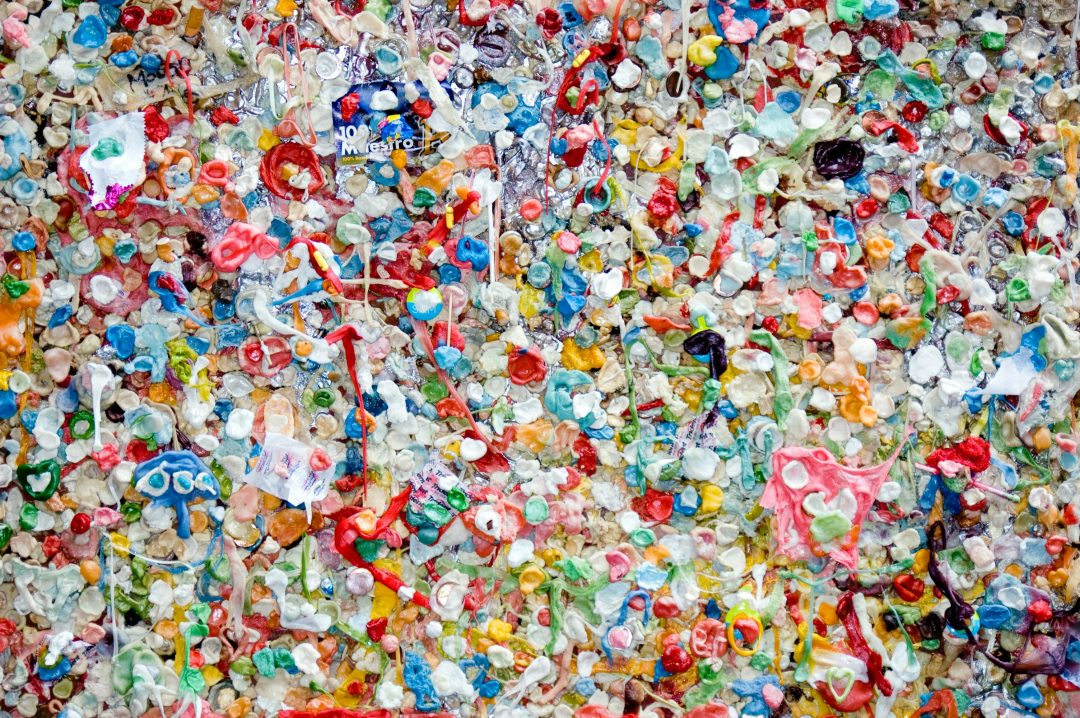
Invisible Chemicals, Measurable EffectsEndocrine disruptors are chemical compounds that interfere with the body’s hormonal system — even in trace amounts. Common examples include bisphenol A (BPA), phthalates, and PFAS, all of which have been detected in drinking water worldwide (Journal of Hazardous Materials, 2024). These substances mimic or block natural hormones, disrupting metabolism, fertility, and […]
Why Children Are More Vulnerable to Plastic Exposure
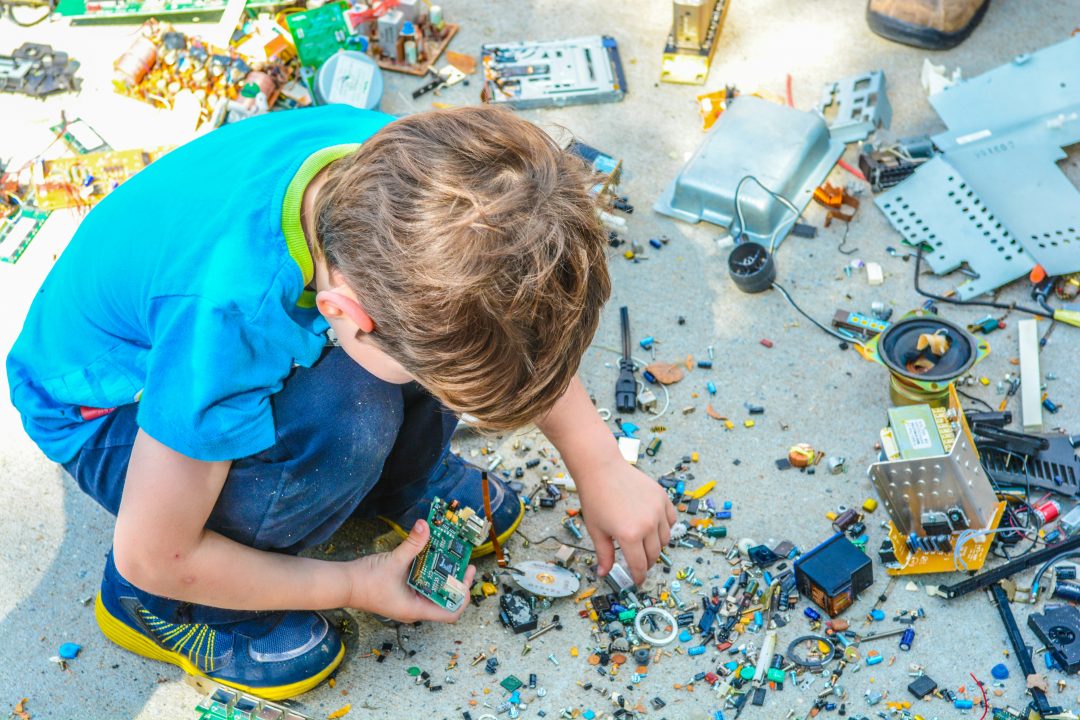
Smaller Bodies, Greater Impact Children aren’t just smaller adults — their bodies function differently. Because of their higher breathing rate, faster metabolism, and developing organs, they absorb more pollutants per kilogram of body weight.A 2023 study in Environmental Research found that infants can ingest up to 10 times more microplastics than adults, primarily through bottled […]
How Nanoplastics Bypass the Body’s Natural Barriers (Lungs, Placenta, Brain)
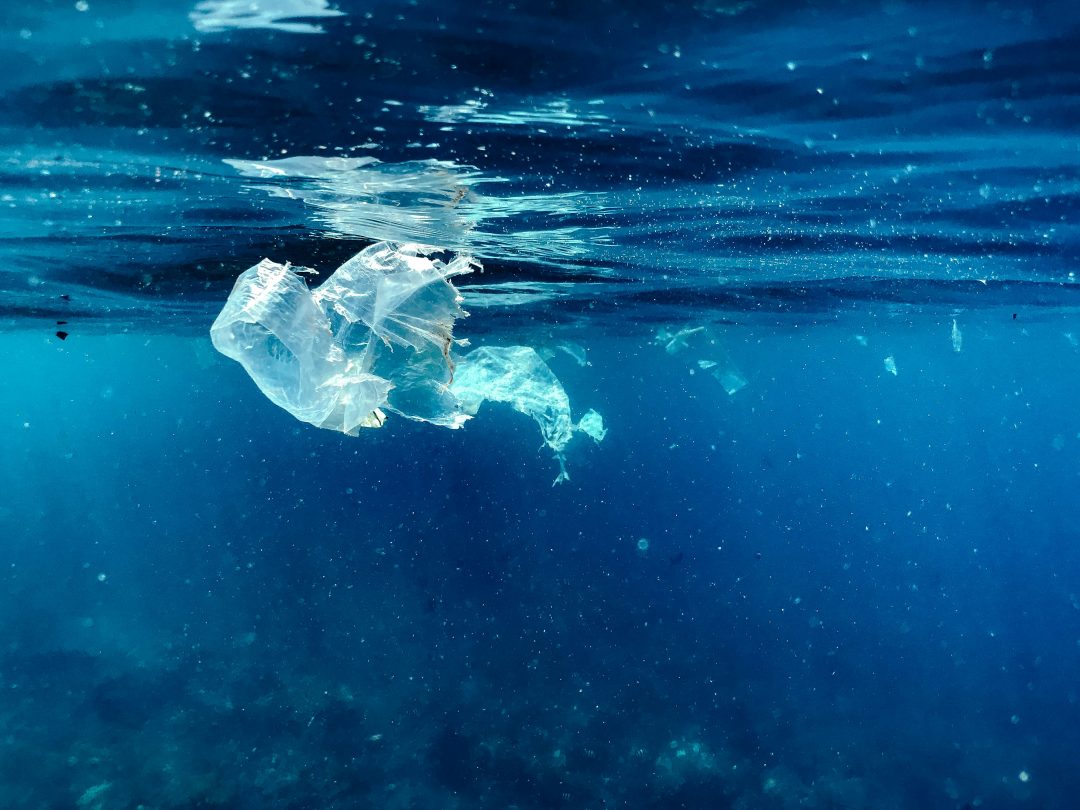
Crossing the Body’s Defenses The human body is built with barriers — the lungs, the placenta, and the blood–brain barrier — designed to block harmful particles. Yet nanoplastics, fragments smaller than 1 µm, are now proven to cross these protective walls.A 2024 study, Translocation of Nanoplastics Across Biological Barriers (Nature Nanotechnology), demonstrated that particles as […]
There’s Plastic in Your Brain — And It’s Getting Worse
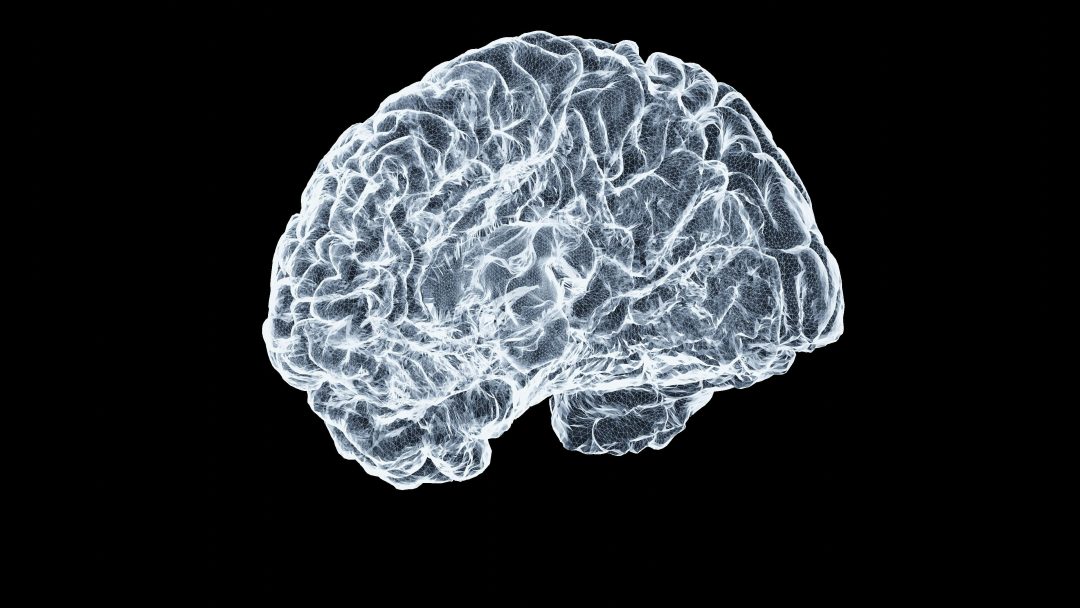
A 2025 study from the University of New Mexico Health Sciences revealed a disturbing finding: microplastics have been detected in human brain tissue, with concentrations 50 % higher than eight years ago and up to ten times more in individuals with dementia [Haederle, UNM HSC Newsroom, Feb 2025]. These micro- and nanoplastic particles, originating from packaging, household plumbing, and bottled water, are now confirmed to cross the blood–brain barrier—a protective boundary once thought to keep such pollutants out. Researchers identified plastic fragments as small as 200 nm, roughly twice the size of a virus, indicating that standard water treatment plants cannot fully remove microplastics from drinking water.
Klar2O startet eine eigene Video-Podcast-Reihe!

Ein Wasser-Video-Podcast, in dem ich offen über die Welt des Wassers spreche – über Schadstoffe, Mikroplastik, ihre Auswirkungen auf unsere Gesundheit und die Umwelt sowie über aktuelle gesetzliche Regelungen weltweit.
Plastic in Breast Milk – Are Infants Being Exposed from Birth?

Microplastics Detected in Breast Milk A shocking discovery has raised concerns about early-life exposure to plastic pollution. A 2022 study from the University of Rome found microplastics in breast milk samples from 75% of tested mothers. This means newborns, at their most vulnerable stage of development, may be ingesting plastic particles within their first months of life.
Plastic in Our Organs – Where Do Microplastics End Up?

Traces of Plastic in Vital Organs Scientists have now detected microplastics in the liver, kidneys, lungs, and even the heart. A 2022 study from the University of Arizona examined post-mortem tissue samples and found microplastics in every organ tested. This suggests that plastic exposure is not just a temporary issue—these particles may accumulate in the body over time.
Rapid Increase in Cancer Cases: Microplastics and Air Pollution as Underestimated Risks
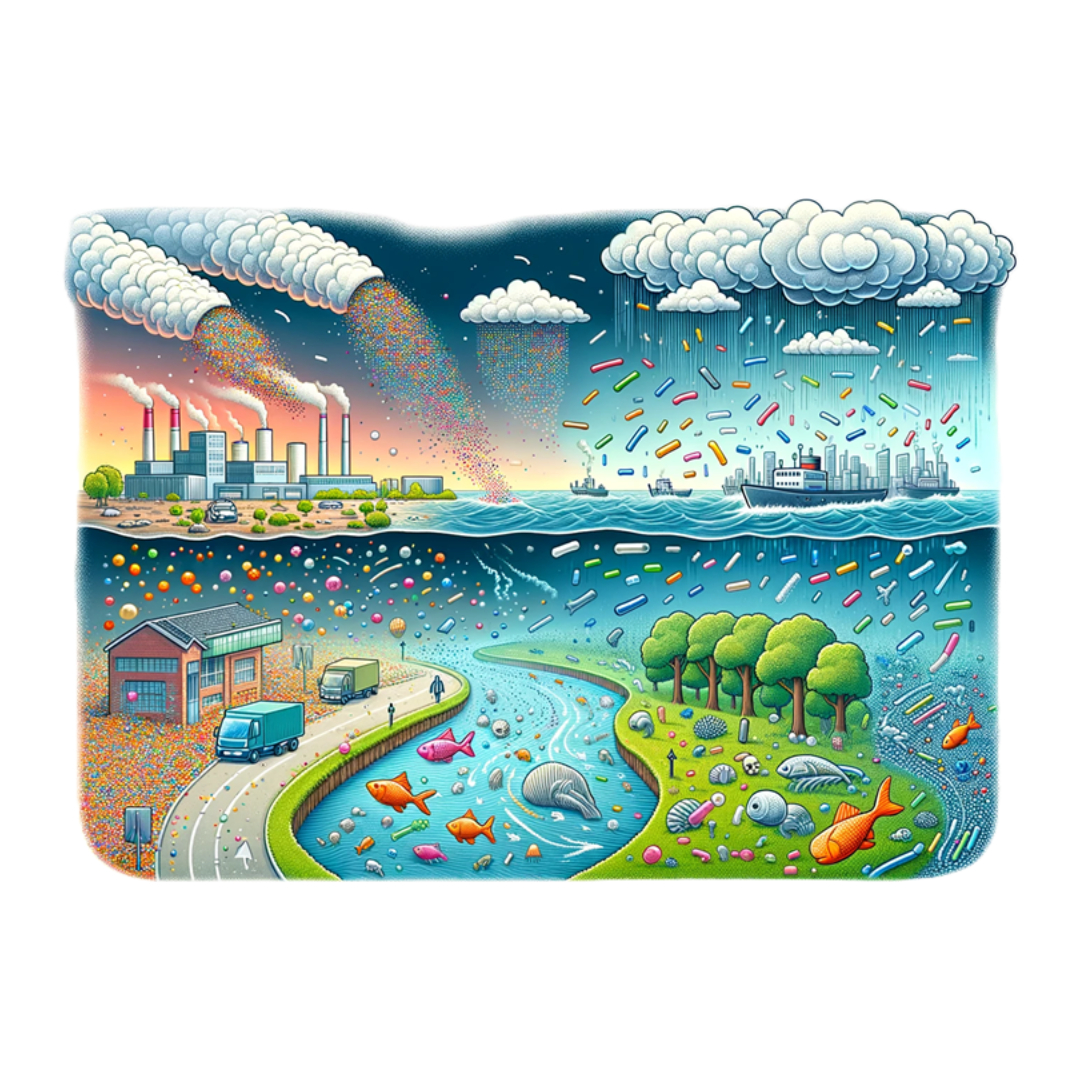
Klar2O is dedicated to the zero-waste philosophy and is committed to reducing waste throughout the entire product lifecycle.
The future of the cosmetics industry: a look at the EU microplastics ban and sustainable solutions

The cosmetics industry is facing a major turning point as the EU introduces new regulations to ban microplastics in cosmetics, paints and medicines.
Microplastics alter the brain and therefore behaviour!
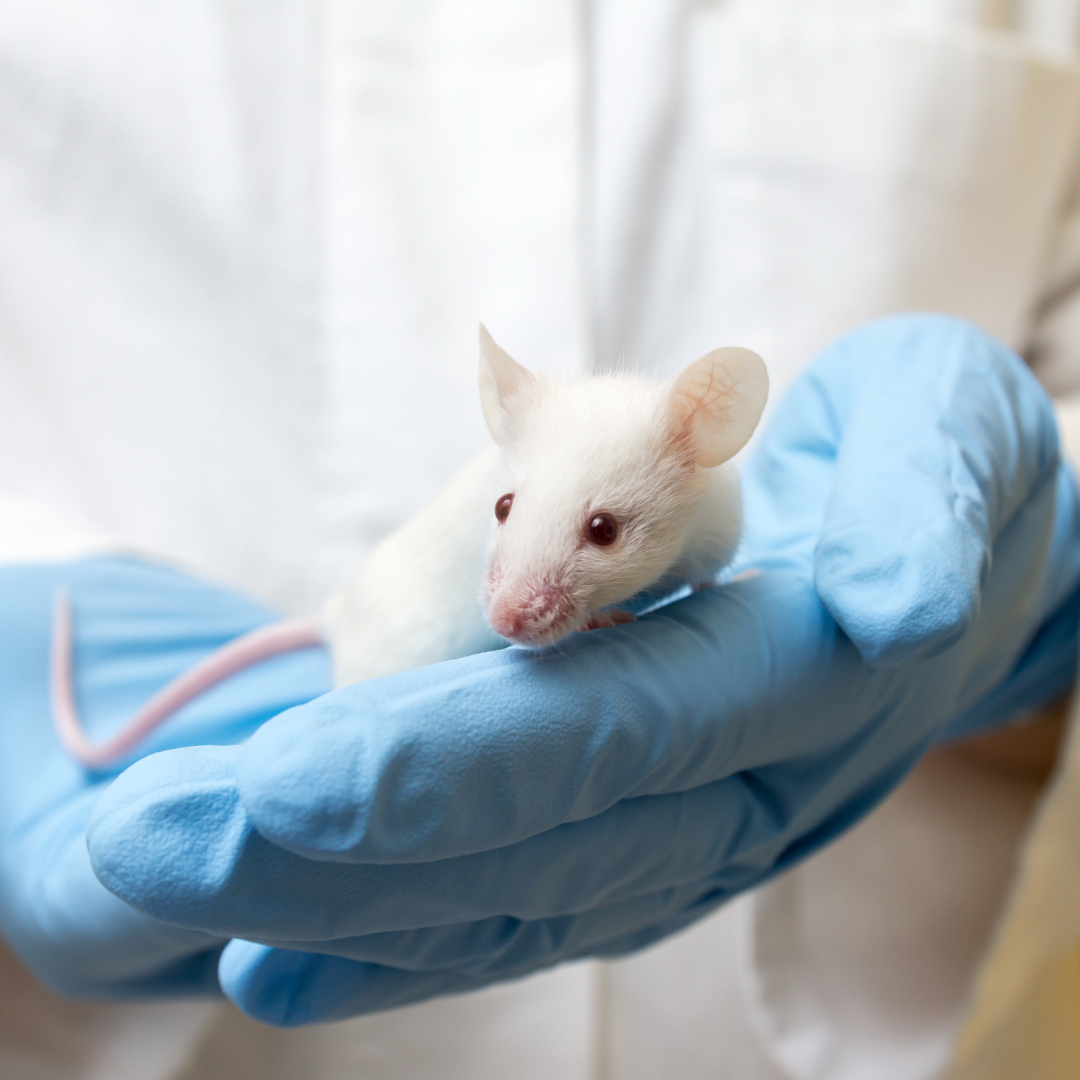
Once microplastic particles have entered the human body, they reach the organs and the brain.