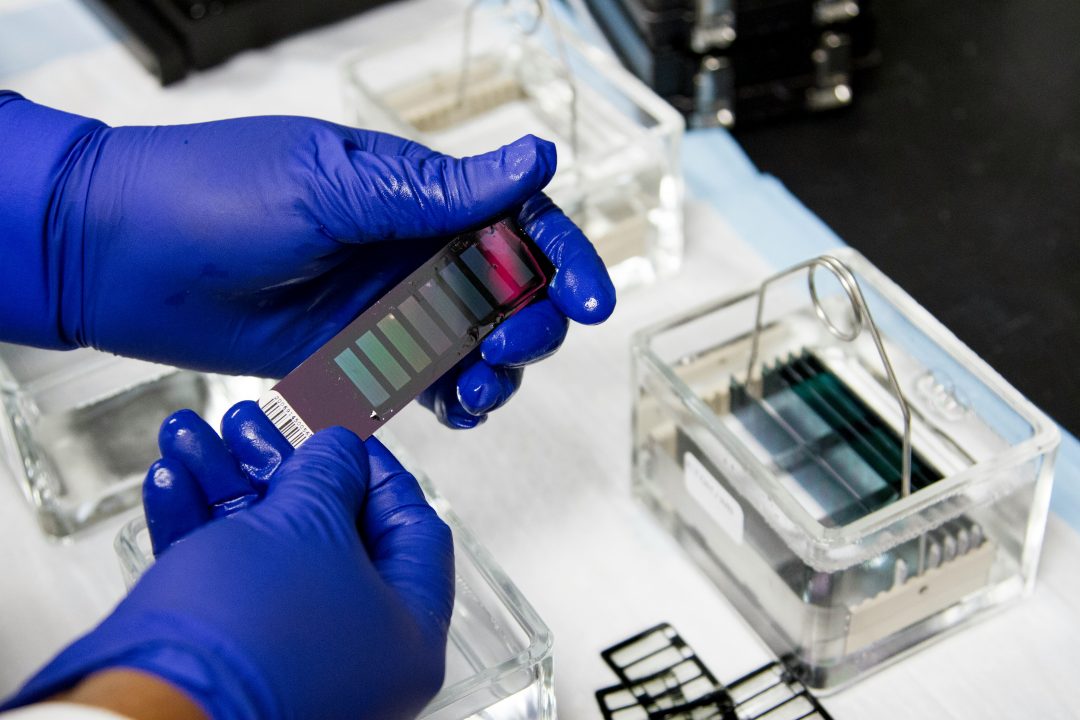
Water quality is a critical factor in maintaining the health of ecosystems, industrial processes, and even human well-being. One of the most important yet often overlooked parameters in water quality is pH levels. The pH of water measures its acidity or alkalinity, on a scale from 0 (very acidic) to 14 (very alkaline), with 7 being neutral. While maintaining the right pH balance is vital for various applications, from drinking water treatment to agricultural irrigation and industrial operations, the challenges and solutions surrounding pH control deserve focused attention.
Why pH Matters in Water Quality
The pH of water can significantly influence its physical, chemical, and biological properties. Water that is too acidic (low pH) or too alkaline (high pH) can be harmful in various ways. For instance, acidic water can corrode metal pipes and infrastructure, releasing harmful metals such as lead, copper, and zinc into drinking water. Conversely, highly alkaline water can cause scaling in pipes, leading to blockages and reduced water flow.
pH also plays a critical role in the biological processes of aquatic ecosystems. Most aquatic organisms, including fish and invertebrates, have a narrow range of pH levels in which they can thrive. If the pH deviates from this range, it can lead to stress, disease, or even death for these organisms. In addition, the solubility and toxicity of certain chemicals are pH-dependent. For example, the toxic effect of ammonia on aquatic life becomes significantly higher in water with a high pH.
The Role of pH in Drinking Water Quality
For drinking water, maintaining a neutral pH is often the goal, as it is neither too acidic nor too alkaline. Ideally, drinking water should have a pH between 6.5 and 8.5, which is considered safe and optimal for human health. Water with a pH outside of this range can lead to various issues, including unpleasant taste, health risks, and corrosion of pipes and plumbing systems.
Acidic water, often caused by acid rain or natural processes like soil erosion, can result in corrosion of pipes and fixtures, leading to the release of harmful metals like lead into the water supply. Alkaline water, on the other hand, can make water taste bitter or soapy and may interfere with the effectiveness of disinfectants such as chlorine.
pH in Industrial and Agricultural Applications
In industrial settings, pH control is essential for optimizing processes and ensuring the safety of the water used. For example, in cooling systems, high pH levels can lead to scaling, while low pH levels can cause corrosion. In water treatment plants, controlling pH is crucial to ensure that chemicals used in the treatment process, such as coagulants, work effectively. An incorrect pH can reduce the efficiency of these chemicals and, in turn, lead to higher costs and less effective treatment.
For agriculture, pH affects soil quality and nutrient availability. Water used for irrigation with improper pH levels can harm soil health and disrupt plant growth. Similarly, water used in aquaculture must have a balanced pH to support the health of fish and other aquatic organisms.
How to Maintain the Right pH Balance
Maintaining the right pH balance in water requires constant monitoring and, when necessary, treatment to adjust the pH levels. There are several methods for controlling pH in different water systems:
- Chemical Treatment: The most common way to adjust pH is through the addition of chemicals. For acidic water, alkaline substances such as lime, sodium hydroxide, or potassium hydroxide can be added to raise the pH. For alkaline water, acidic substances like sulfuric acid or hydrochloric acid can be used to lower the pH. The key to using chemicals effectively is ensuring that the right amount is added based on the water’s characteristics, which requires accurate monitoring.
- Aeration: In some cases, aerating water—especially in industrial or wastewater systems—can help raise the pH by removing excess carbon dioxide, which can make water more acidic.
- Reverse Osmosis: For drinking water, reverse osmosis (RO) can help maintain pH levels in the ideal range. This filtration method not only removes contaminants but also can help stabilize the pH of water by removing dissolved solids that may contribute to acidity or alkalinity.
- pH Monitoring Systems: Modern water treatment facilities use advanced pH monitoring systems that continuously track pH levels and make automatic adjustments. These systems use sensors and real-time data to ensure pH levels remain stable, reducing the need for manual intervention.
Conclusion
The importance of maintaining the right pH balance in water cannot be overstated. Whether for human consumption, industrial use, or environmental health, keeping the pH levels within an optimal range ensures the safety, efficiency, and sustainability of water systems. Regular monitoring, combined with appropriate treatment techniques, can prevent the risks associated with both acidic and alkaline water, ensuring that water remains safe for all applications.
For more info, visit klar2o.de.