In the age of technology, industries across the globe are harnessing the power of the Internet of Things (IoT) to improve efficiency, reduce costs, and enhance quality across various sectors. Water treatment is no exception. As water becomes an increasingly precious resource, municipalities, industries, and households are turning to smart water treatment systems to better monitor and manage water quality. The integration of IoT into water quality monitoring is set to revolutionize the way we manage our water resources, ensuring cleaner, safer water while optimizing operations.
The Challenge of Traditional Water Treatment Systems
Traditional water treatment systems rely on periodic manual testing and monitoring to assess water quality. While these systems are effective, they are limited by their reactive nature. They typically only provide data when a problem is detected, which can lead to delays in addressing issues such as contamination, inefficiencies, and equipment malfunctions. These delays can result in significant risks to public health and environmental damage, particularly in areas where water resources are scarce or contamination risks are high.
Furthermore, traditional systems often require a large workforce for monitoring and maintenance, leading to higher operational costs. There is also the challenge of managing vast amounts of data that are collected from multiple water sources and treatment stages. Managing this data manually is time-consuming and prone to errors, making it difficult to make real-time, data-driven decisions.
How IoT Is Transforming Water Treatment Systems
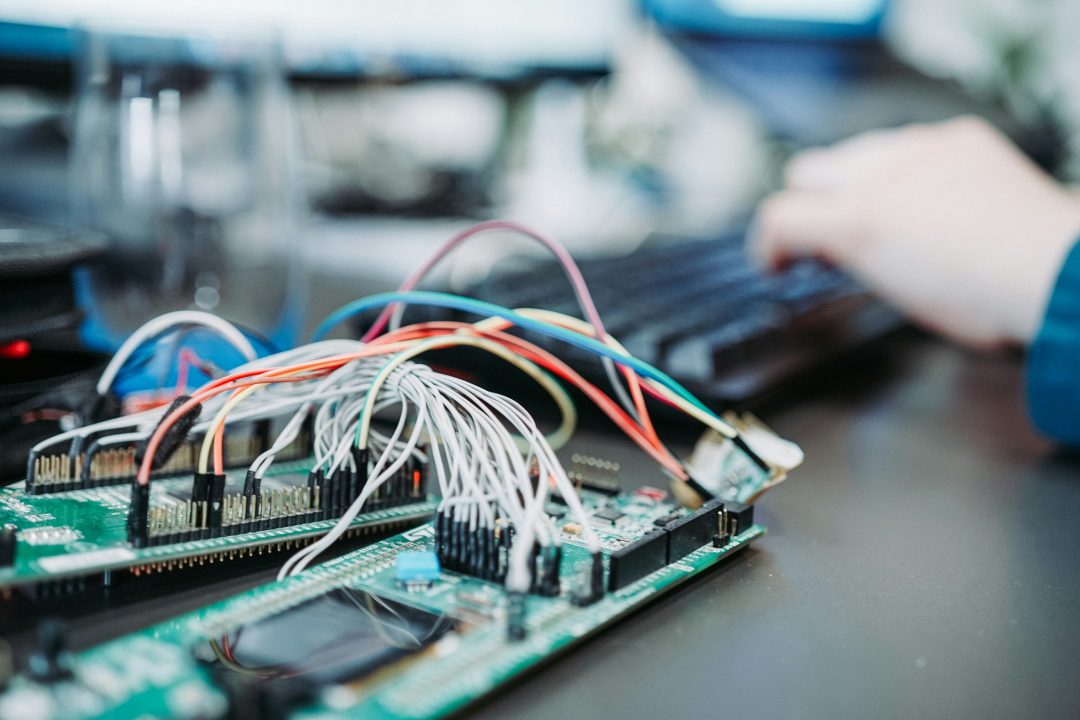
The Internet of Things (IoT) is a game-changer for water treatment. By embedding sensors, smart meters, and connected devices into the water treatment infrastructure, IoT enables real-time, continuous monitoring of water quality. This shift from reactive to proactive management allows operators to identify and address issues as soon as they arise, leading to quicker responses and minimizing potential risks.
Smart Sensors embedded in water systems can measure a variety of water quality parameters such as pH levels, turbidity, chlorine concentration, temperature, and dissolved oxygen. These sensors provide continuous, real-time data, which can be monitored remotely. This allows water treatment facilities to make informed decisions about when to adjust the treatment process or replace filters, ensuring optimal water quality at all times.
One of the key benefits of IoT integration is predictive maintenance. By analyzing data from IoT-enabled devices, water treatment plants can predict when equipment is likely to fail or need servicing. For example, sensors can monitor the wear and tear on filtration systems and alert operators before a system breakdown occurs. This predictive approach not only reduces downtime but also helps in preventing costly repairs and ensuring that the plant operates at maximum efficiency.
Real-Time Data for Better Decision Making
The real-time data provided by IoT-connected systems offers a wealth of insights that traditional water treatment methods simply cannot provide. With real-time monitoring, water treatment operators can instantly detect changes in water quality and adjust treatment processes to ensure that water meets regulatory standards. Additionally, IoT data allows for better analysis and reporting, making it easier to comply with environmental regulations and ensure transparency for public health.
IoT also enables remote monitoring and control. For municipalities operating multiple water treatment plants, remote monitoring allows them to oversee all systems from a centralized location. This improves response times to emergencies, as technicians can address issues from afar without needing to be physically present at the site.
Environmental and Cost Benefits
In addition to improving operational efficiency, IoT-based water quality monitoring offers significant environmental and cost-saving benefits. By providing continuous monitoring, smart water systems can detect leaks or inefficiencies in the water distribution network, allowing for faster repairs and reducing water loss. This is particularly important in areas facing water scarcity, where every drop of water counts.
Moreover, IoT systems help reduce energy consumption. By optimizing water treatment processes and identifying inefficient equipment, IoT systems can help lower energy usage, making water treatment facilities more sustainable and cost-effective in the long run.
The Future of Smart Water Treatment Systems
As technology continues to evolve, the future of smart water treatment looks promising. Innovations such as artificial intelligence (AI) and machine learning (ML) are expected to further enhance the capabilities of IoT systems, enabling even more precise and automated control of water treatment processes. AI and ML algorithms can analyze historical data and make predictive adjustments in real-time, improving the efficiency of treatment processes and further reducing the risk of contamination.
Additionally, the integration of blockchain technology could further enhance transparency and traceability in water quality management, ensuring that water treatment processes are secure and trustworthy. As the adoption of IoT continues to grow, smart water systems will play a central role in maintaining water quality, reducing environmental impact, and ensuring the sustainability of this vital resource.
Conclusion
The integration of IoT into water quality monitoring systems is revolutionizing the way we treat and manage water. With real-time data, predictive maintenance, and the ability to remotely monitor and control water treatment processes, IoT technology is ensuring cleaner, safer water while also improving operational efficiency. As the world faces increasing water scarcity and contamination risks, the future of smart water treatment will continue to be shaped by IoT innovations, driving sustainability and reliability in water management.
For more info, visit klar2o.de.